
Lviv City Arsenal Museum: History, Weapons and Visitor Tips
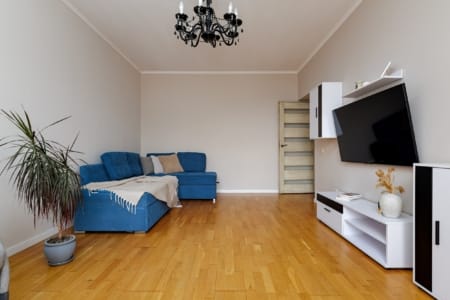
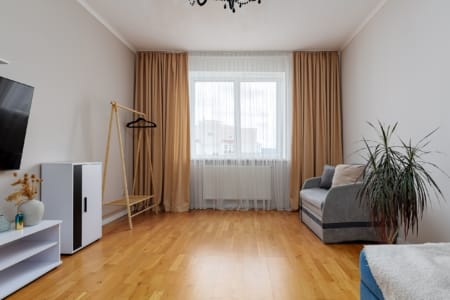
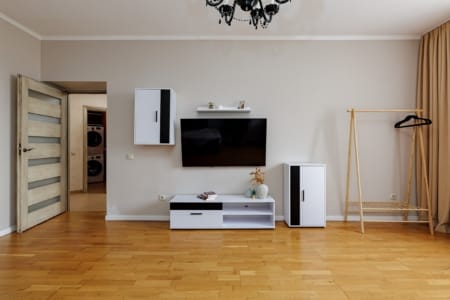
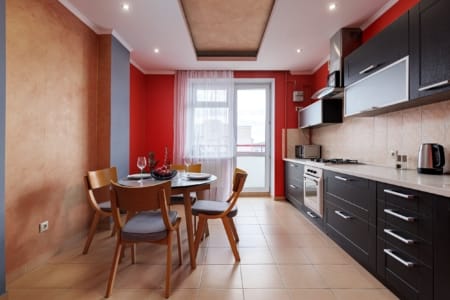
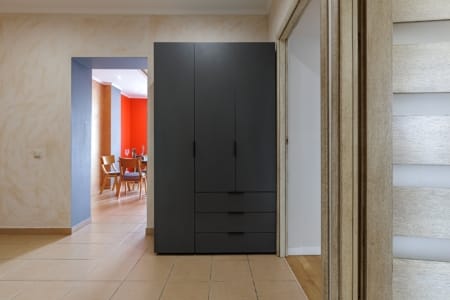
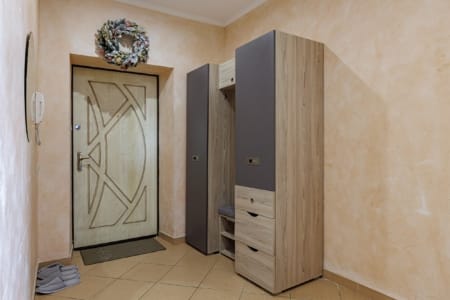
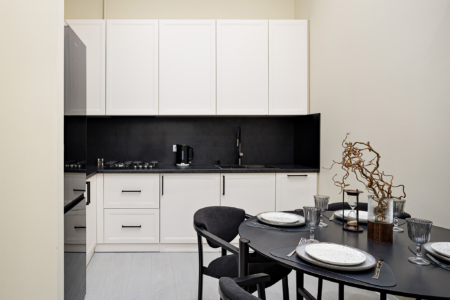
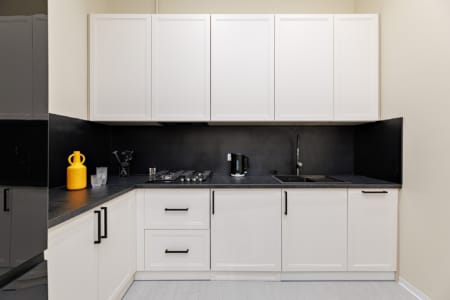
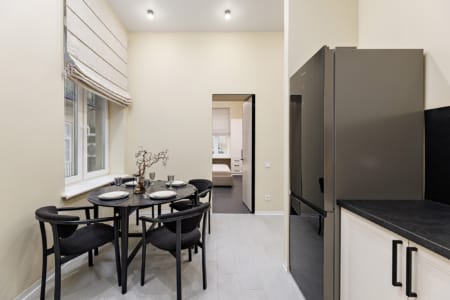
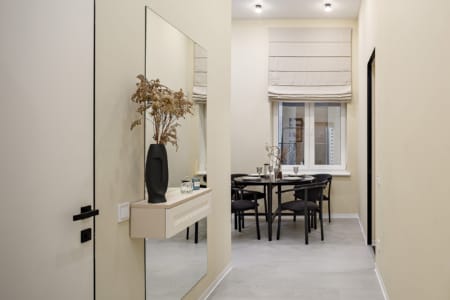
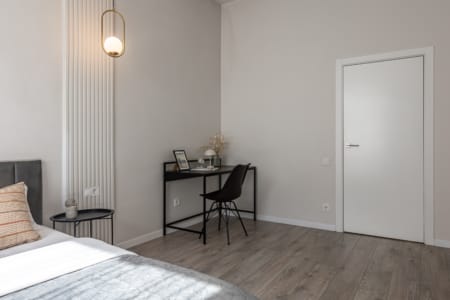
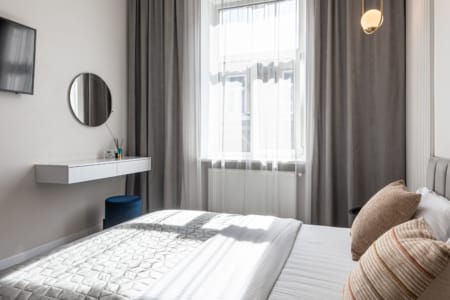
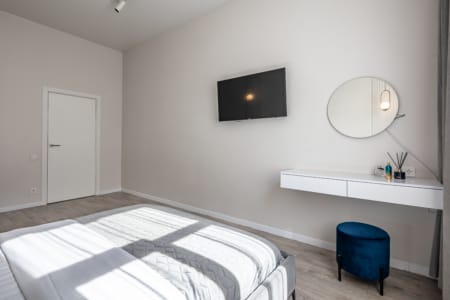
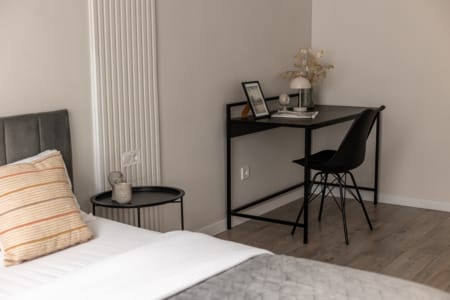
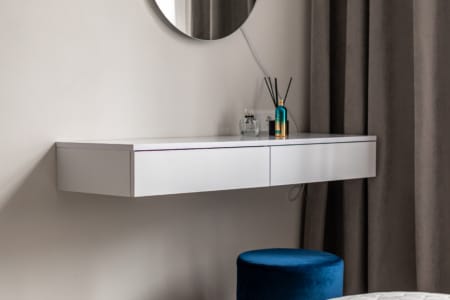
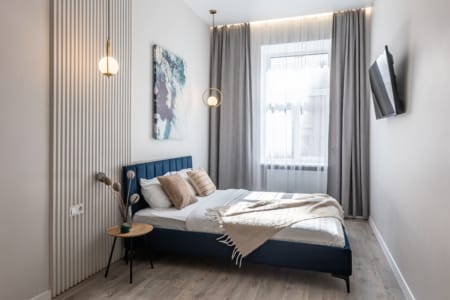
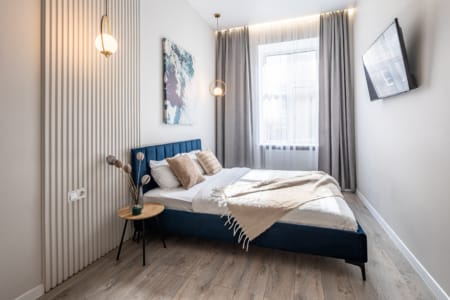
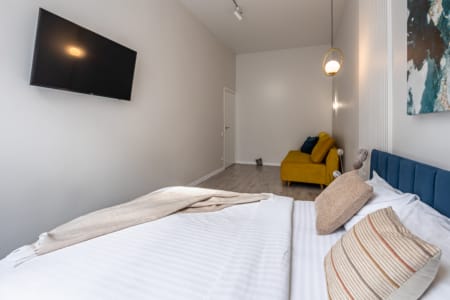
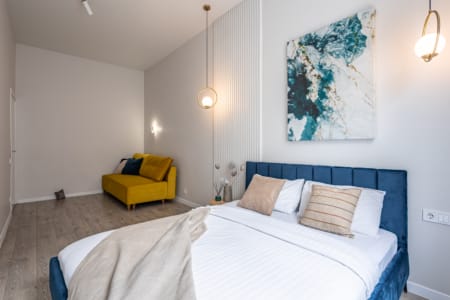
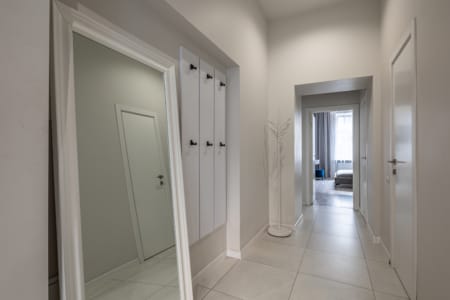
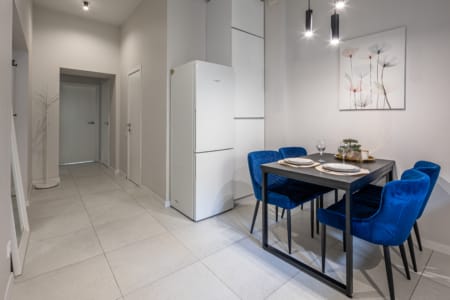
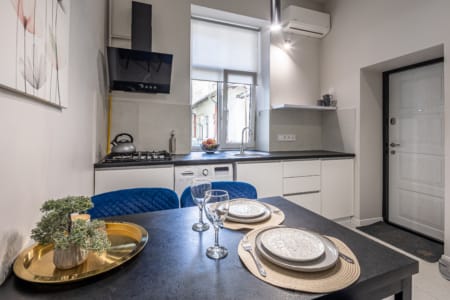
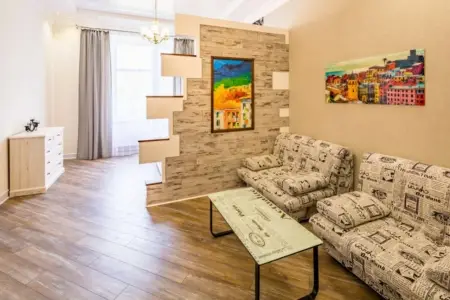
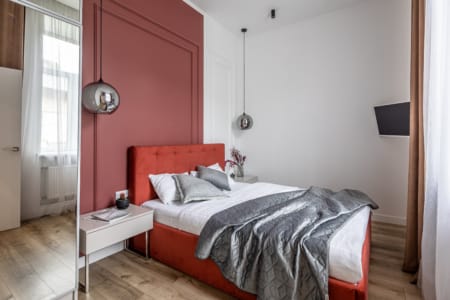
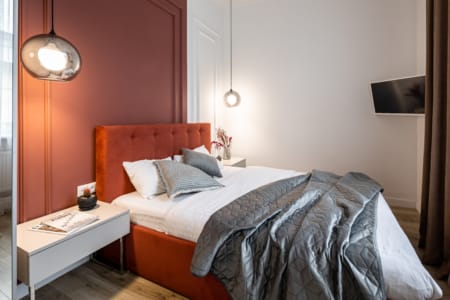
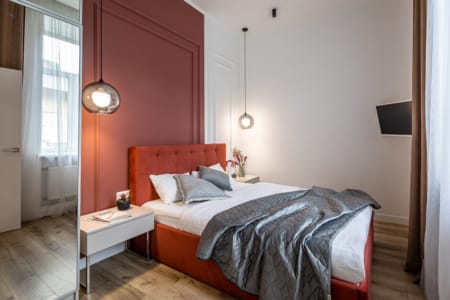
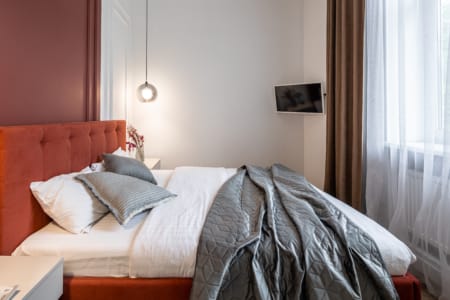
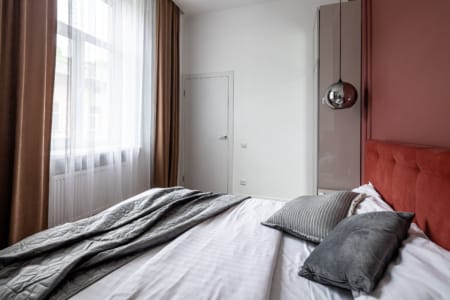
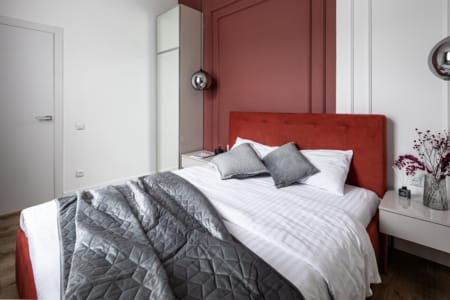
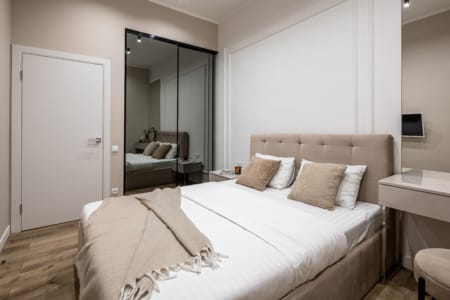
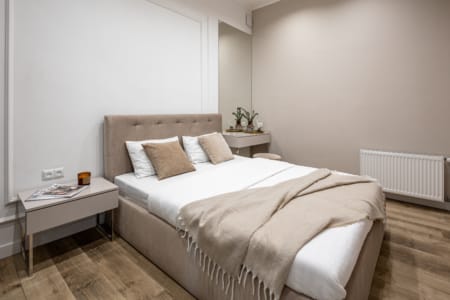
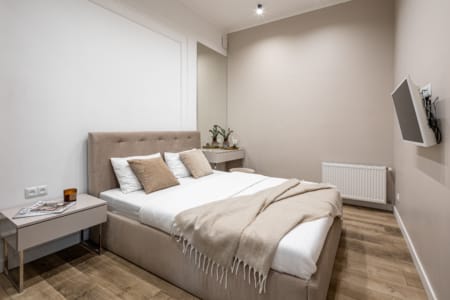
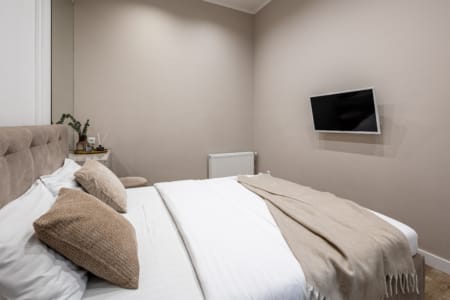
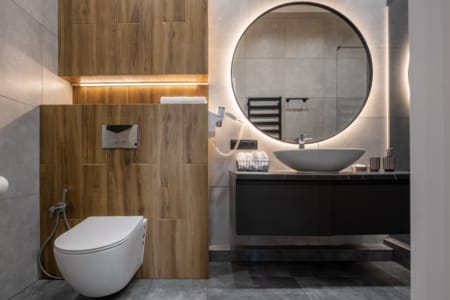
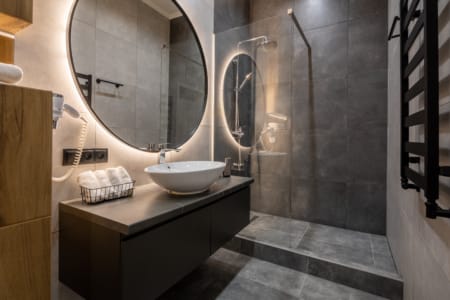
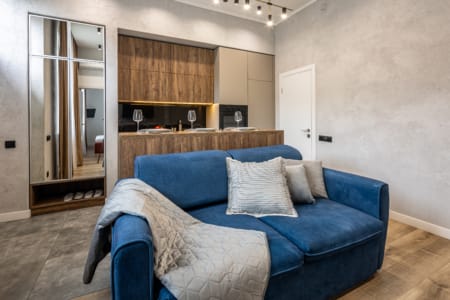
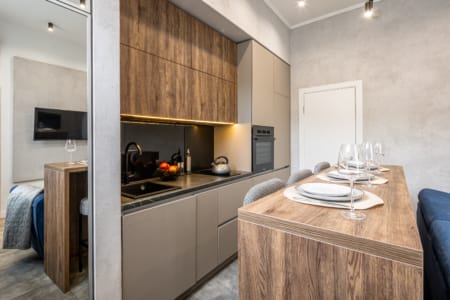
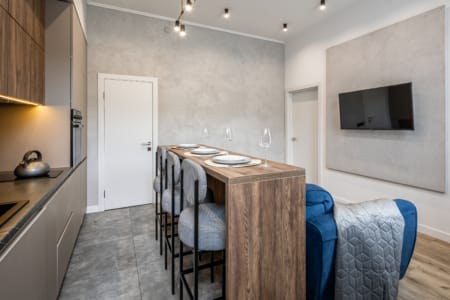
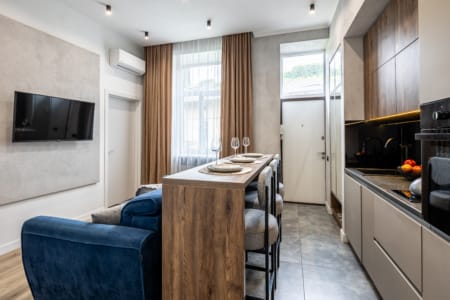
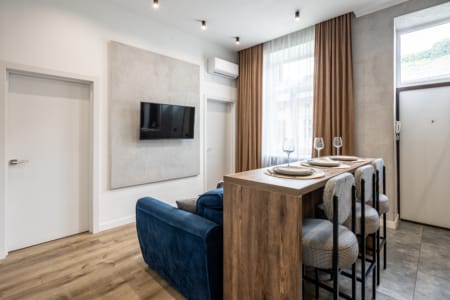
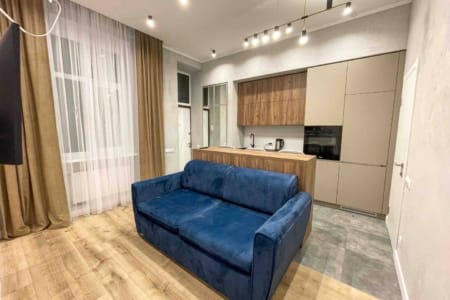
 Leo Apartment
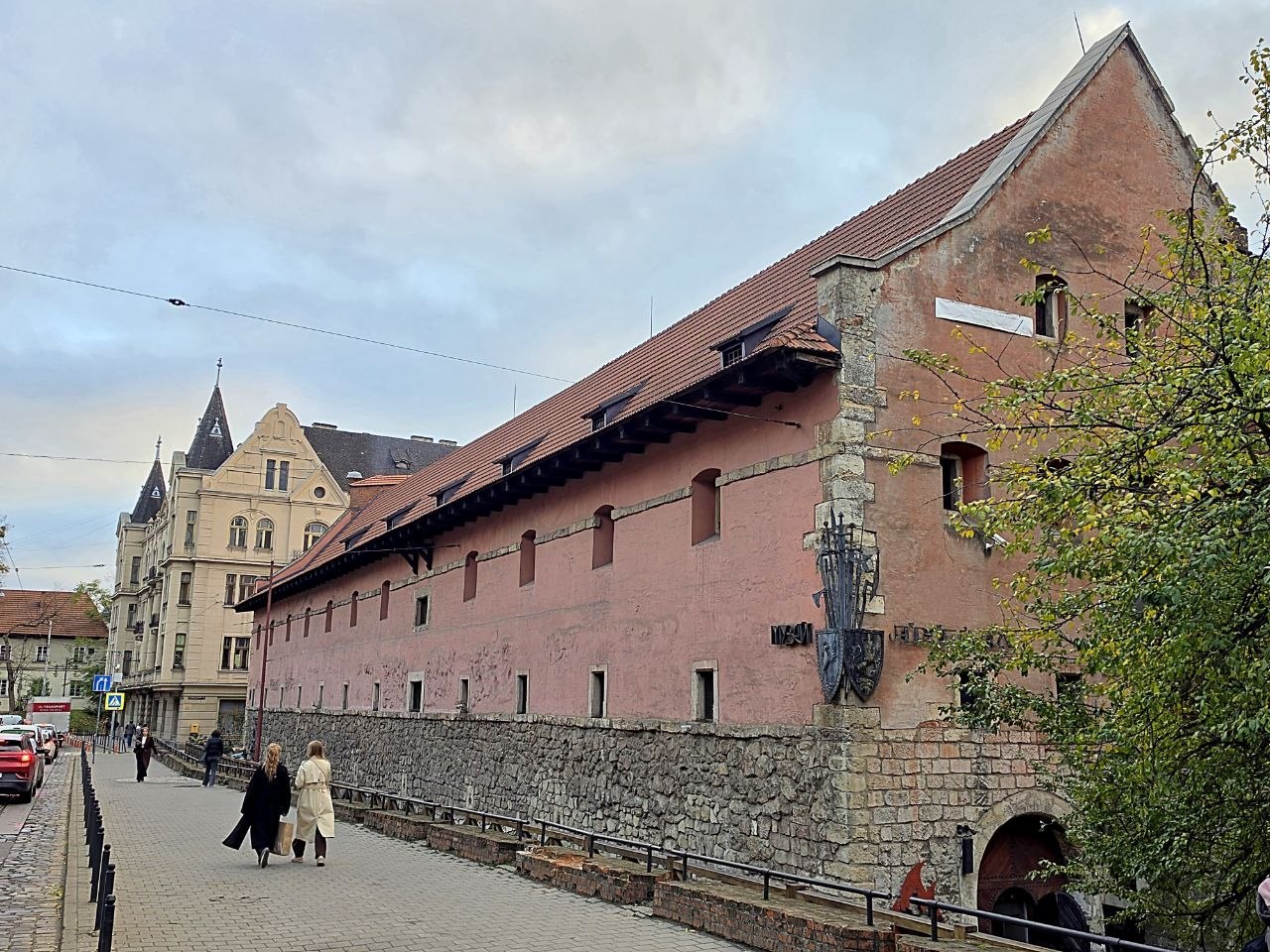
Lviv City Arsenal is one of the few defensive buildings in the city that have survived to this day. Cannons and gunpowder for the defence of Lviv were once stored here. Today its thick walls house a museum of historic weapons from more than 30 countries.
The museum is small, so a visit will not take the whole day. Yet this is a great place to see what fortress Lviv looked like, with its walls, towers and loopholes.
Where Is the City Arsenal?
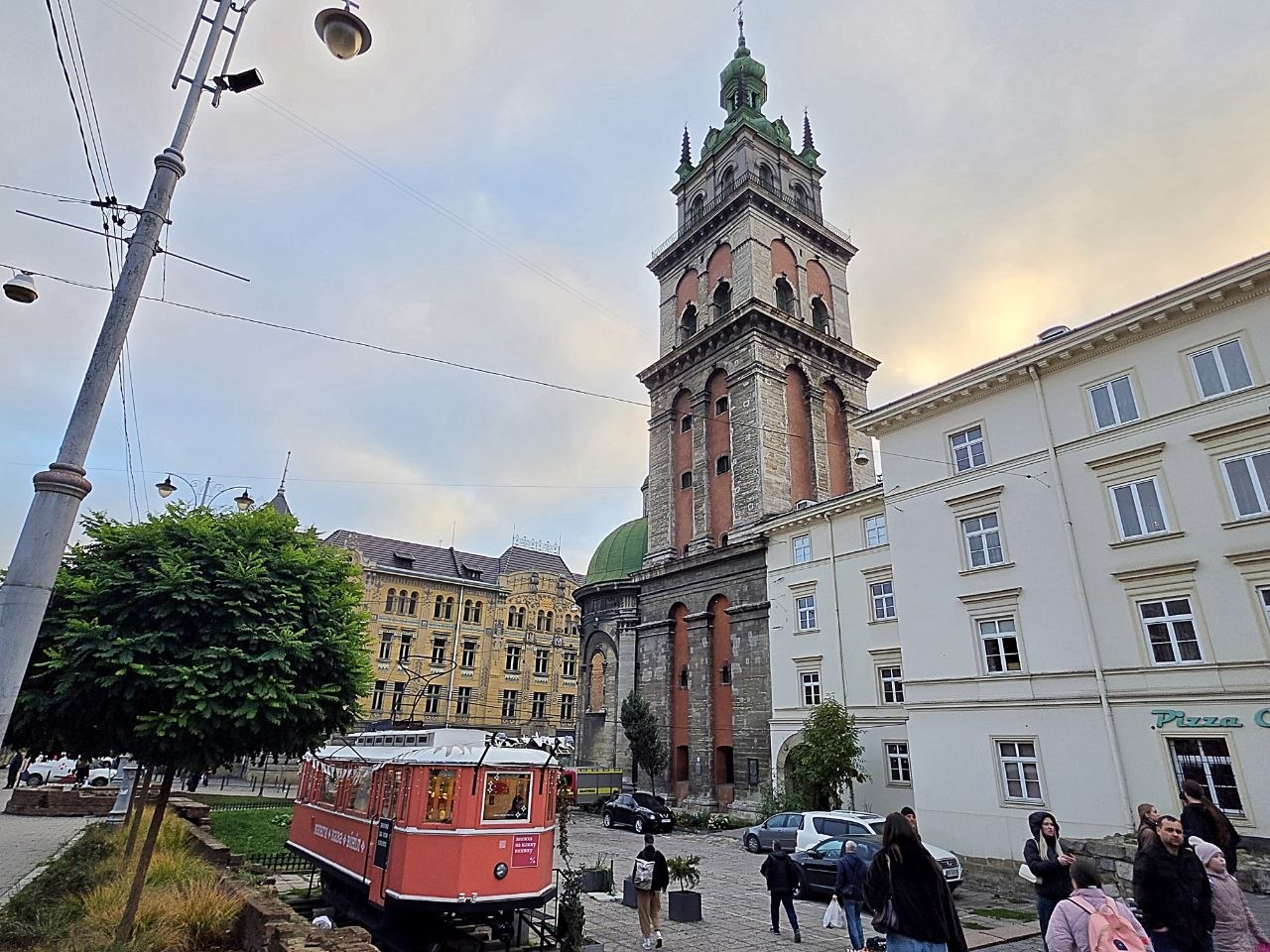
The address is 5 Pidvalna Street. From Rynok Square it is an easy 5-minute walk along Ruska Street, and trams run along Pidvalna Street.
What is nearby:
- the Dormition Church ensemble with the Korniakt Tower, right across the street;
- the Bernardine Monastery, about a 5-minute walk;
- the Dominican Cathedral, a few minutes away along Fedorova Street.
History of the City Arsenal
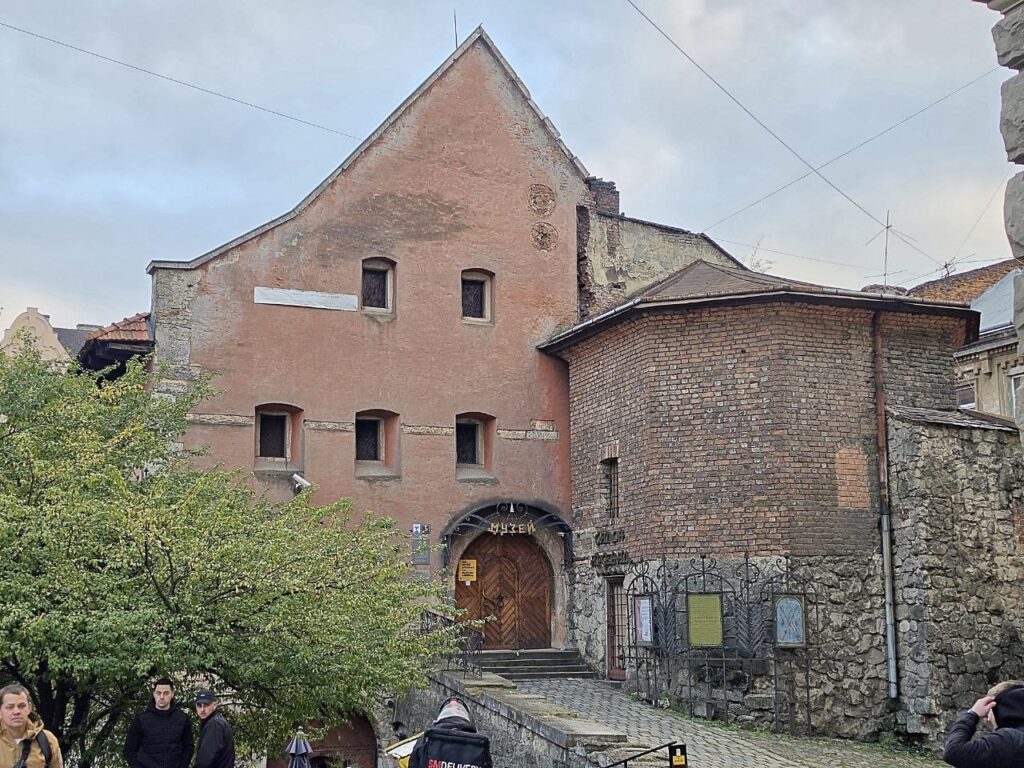
The oldest city arsenal was built against the Low Wall before 1430. As firearms developed, the city needed a larger armoury, so by 1556 a new building had been added to the High Wall.
The arsenal was built and maintained at the city’s expense. Hence the name City Arsenal, as opposed to the Royal Arsenal, which King Władysław IV paid for in 1639–1646 nearby on the same street.
Fires, Cannons and the Executioner
- 1571. A fire almost completely destroyed the arsenal. In 1574–1576 the city rebuilt it as a two-storey defensive structure. The work was led by the builders Paweł Szczęśliwy, Hanusz and Sebastian Mocygemba.
- From 1582. A foundry operated at the arsenal, casting cannons.
- 1703. The building was badly damaged by fire: a gunpowder explosion brought down the vault.
- 18th century. One of the casemates held a torture chamber and the city executioner’s quarters, and captured Cossacks and Haidamaks were kept in the cellars.
The modern restoration took place in 1979–1981. Then, on 18 May 1981, International Museum Day, the weapons museum opened here.
What to See in the Weapons Museum
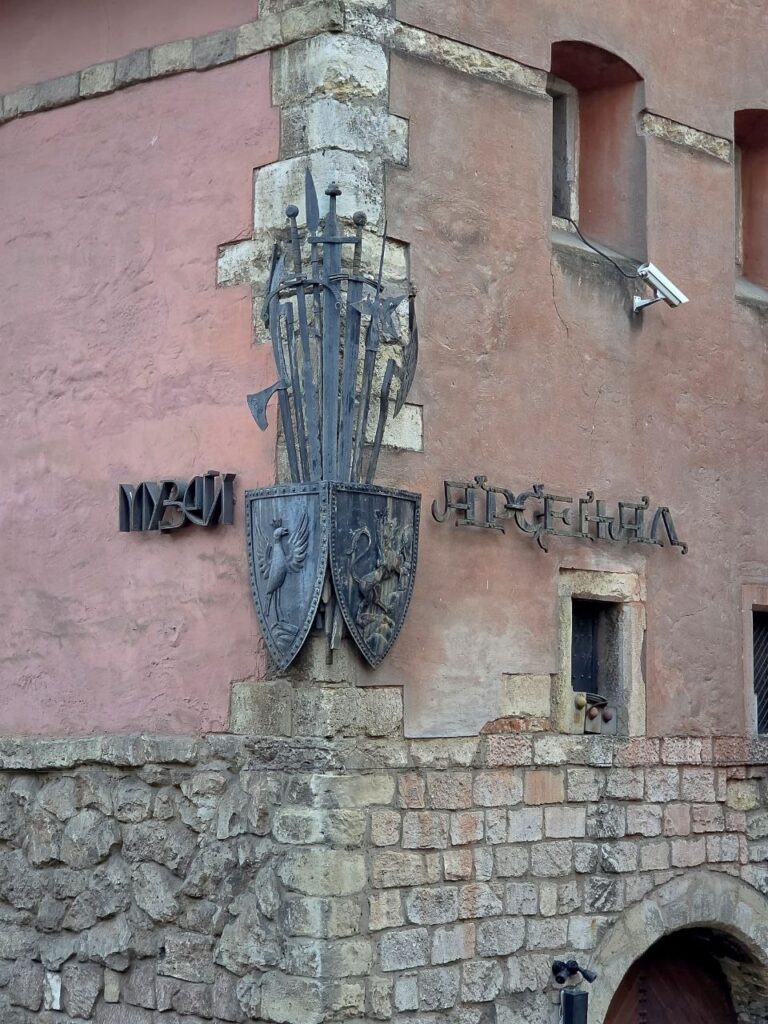
The Arsenal Museum is a department of the Lviv Historical Museum. It brings together weapons from more than 30 countries of Europe, Asia and Africa.
The exhibits date from the 11th to the early 20th century. Edged weapons are represented most widely:
- swords from different eras, from the Middle Ages to early modern times;
- sabres, rapiers and yataghans from Western and Eastern workshops;
- maces, pernachs, halberds and axes, both symbols of power and infantry weapons;
- muskets and pistols of various systems;
- armour and shields.
Among the highlights are Old Rus maces from the 11th–12th centuries and a 14th-century sword with a hilt bearing the symbols of the Teutonic Order. Look closely at the decoration, too: many weapons are true works of decorative art.
The Arsenal also displays holograms of historic orders, including the Legion of Honour and the Order of the Golden Fleece.
Architecture: Fortress Lviv
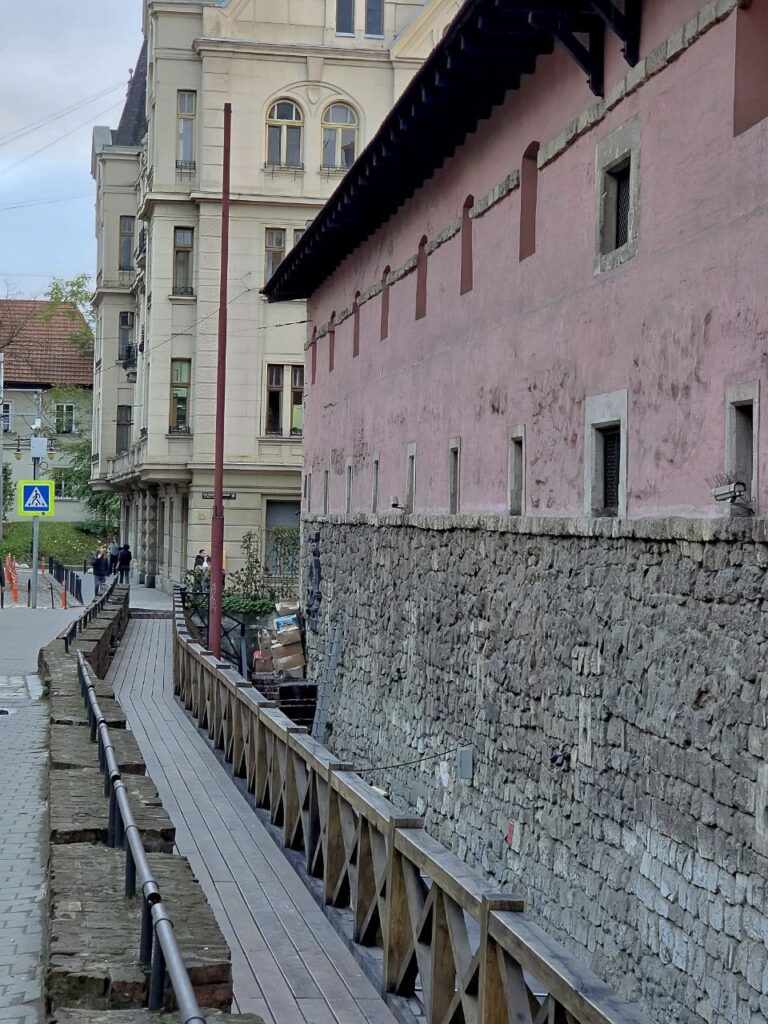
The building itself is as interesting as the collection. Massive walls and narrow loophole windows remind you that Lviv lived behind walls for centuries.
The Arsenal stands on the line of the former city fortifications. Where Pidvalna Street runs today, there was once a defensive moat. Walk along the façade and it is easy to picture the approaches to the medieval city.
Tips for Visitors
- Opening hours. The museum usually opens at 10:00 and is closed on Wednesdays. Hours change, so check the current schedule on the Lviv Historical Museum website before your visit.
- Time. Allow 40–60 minutes.
- With children. School age is ideal: swords, knightly armour and loopholes fascinate even those who find museums boring.
- Photos. Check the photography rules at the ticket desk.
- Your route. Combine the Arsenal with the Dormition Church opposite and the Armenian Quarter for a rich 2–3-hour walk.
Where to Stay near the Arsenal
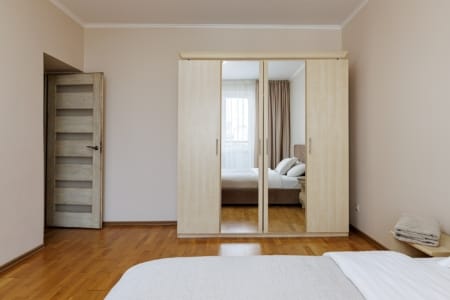
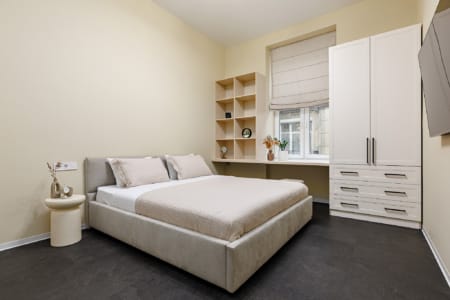
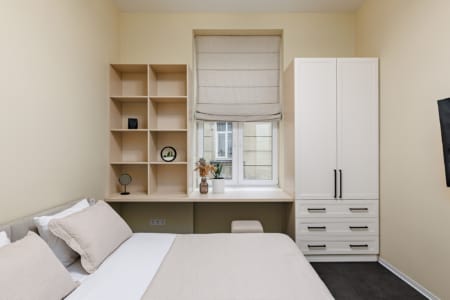
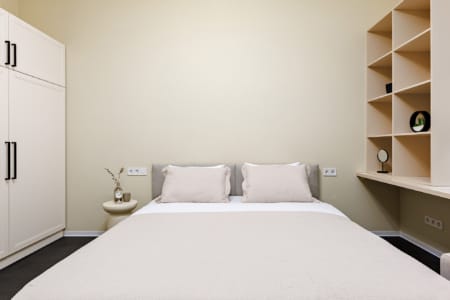
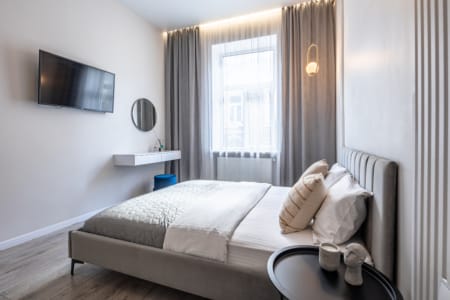
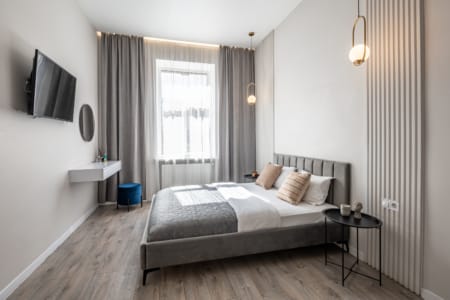
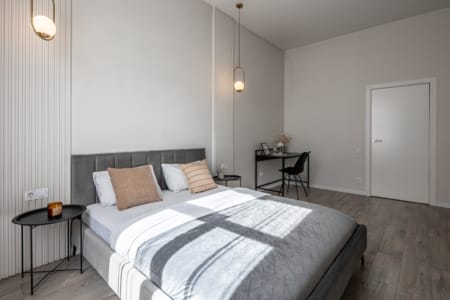
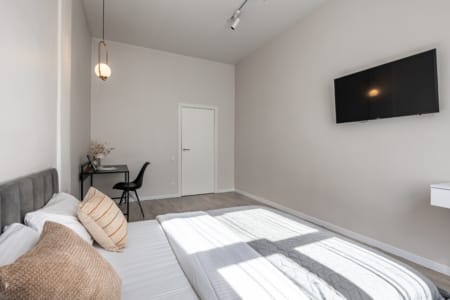
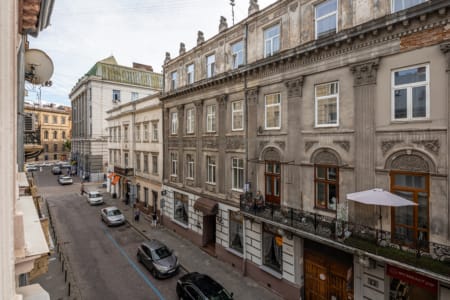
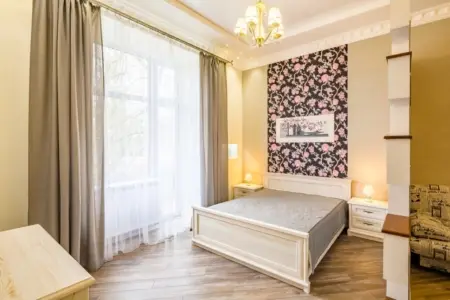
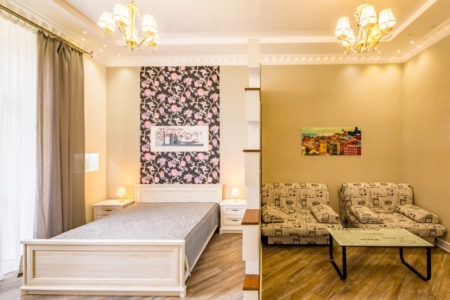
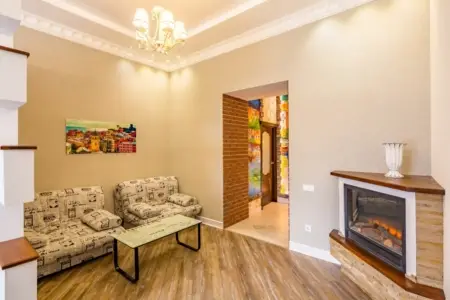
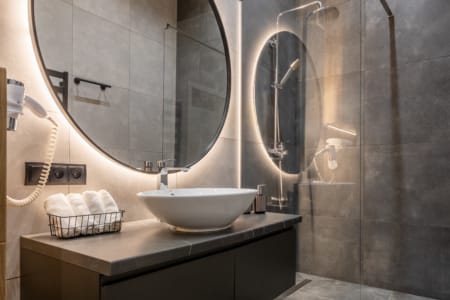
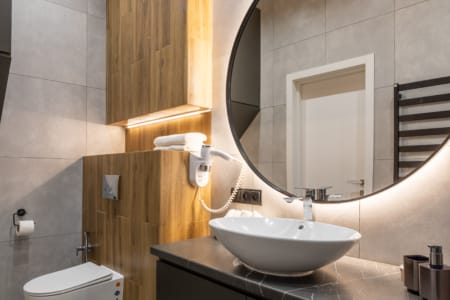
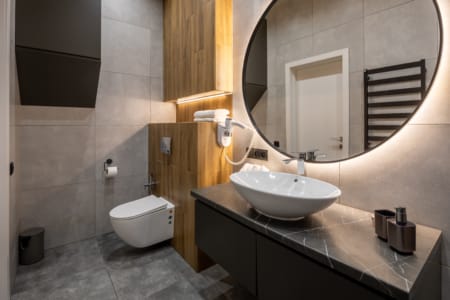
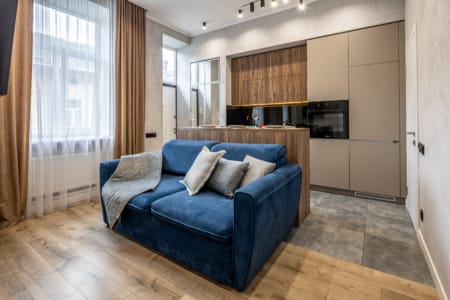
Danyla Halytskoho Square is a few minutes’ walk from the Arsenal, and that is where our apartments are:
- one-bedroom apartment for 2 on Danyla Halytskoho Square;
- one-bedroom apartment for 4 on Danyla Halytskoho Square.
See more options in our apartments in Lviv.
Conclusion
The City Arsenal is both a 16th-century defensive landmark and a museum with one of the finest collections of edged weapons and firearms in Ukraine. Here you can see swords, sabres and armour from different eras and get a feel for Lviv behind its walls.
Planning a walk around the centre? Book a short-term apartment in Lviv near the Arsenal: online, directly, with no intermediaries and no commission.
Lviv City Arsenal: FAQ
Where is the Arsenal Museum in Lviv?
At 5 Pidvalna Street, a 5-minute walk from Rynok Square.
When was the City Arsenal built?
The current two-storey building was erected in 1574–1576 at the city’s expense, after a fire in 1571 destroyed the previous arsenal.
What can I see in the museum?
Edged weapons and firearms from the 11th to the early 20th century from over 30 countries, armour and holograms of historic orders.
When is the museum open?
Usually from 10:00, except Wednesdays. Check the current schedule on the Lviv Historical Museum website before you go.
Is it interesting for children?
Yes, especially for school-age children. The swords, armour and loopholes are always a hit.
How is the City Arsenal different from the Royal Arsenal?
The City Arsenal was built and maintained by the city, while the Royal Arsenal was paid for by King Władysław IV in 1639–1646. They are two different buildings on Pidvalna Street.






































Join the discussion