
Dormition Church in Lviv: Korniakt Tower, History and Tips
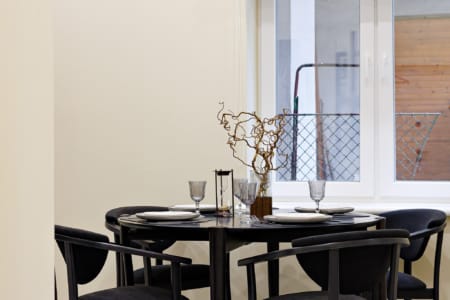
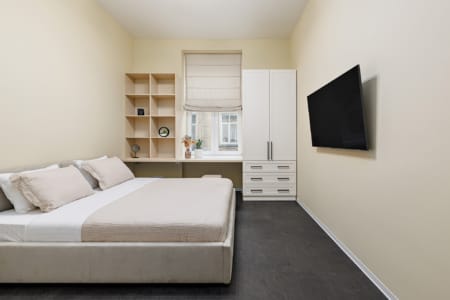
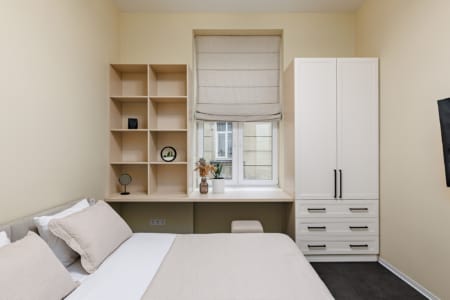
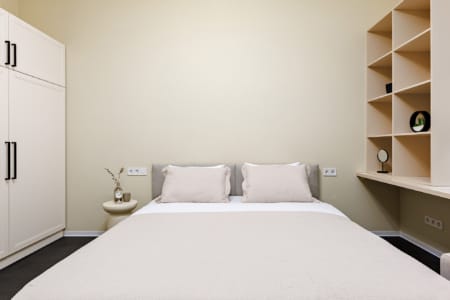
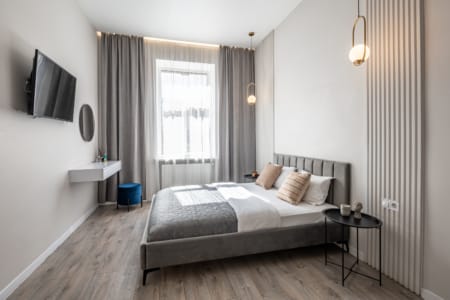
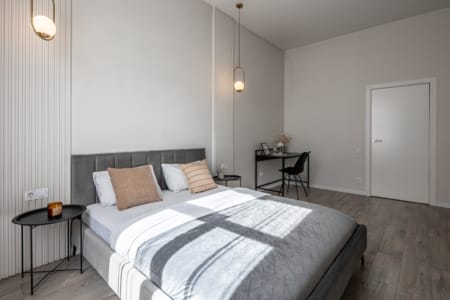
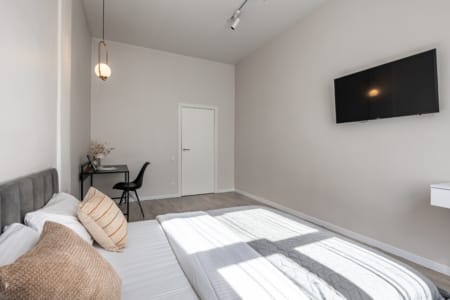
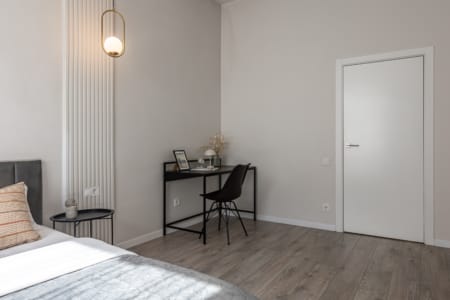
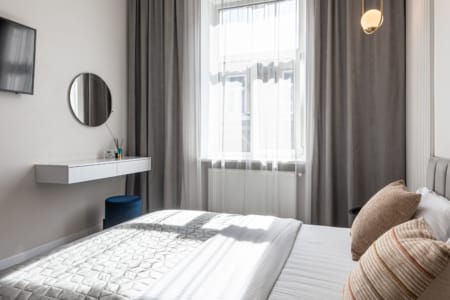
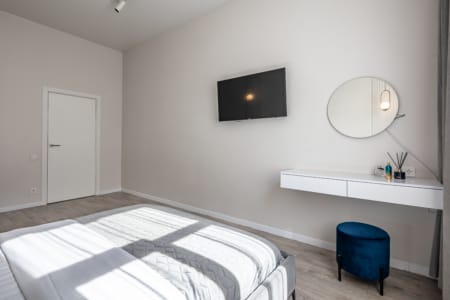
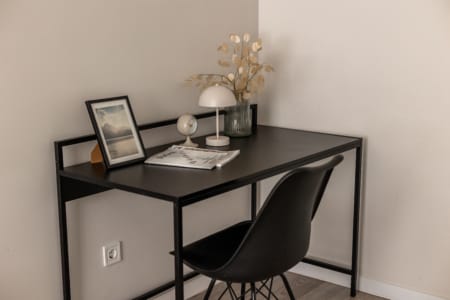
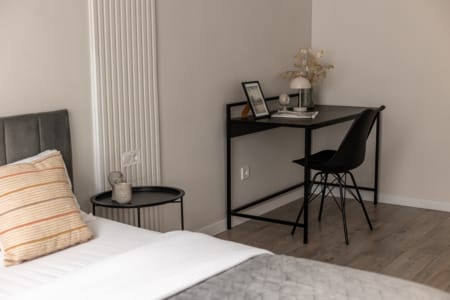
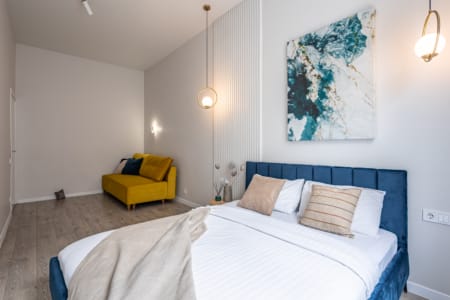
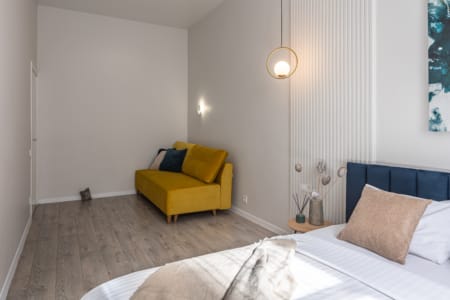
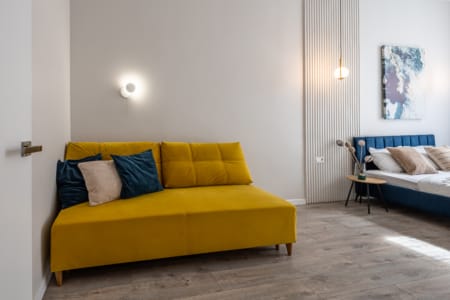
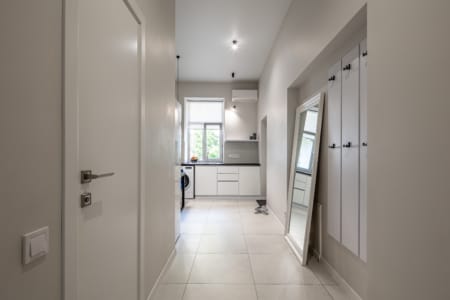
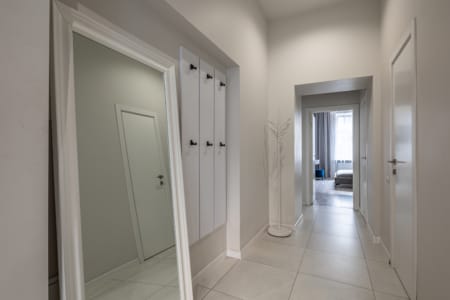
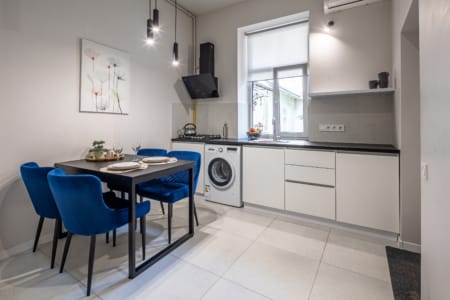
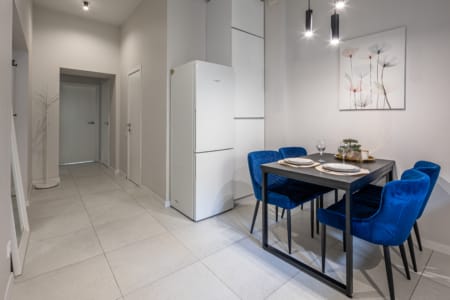
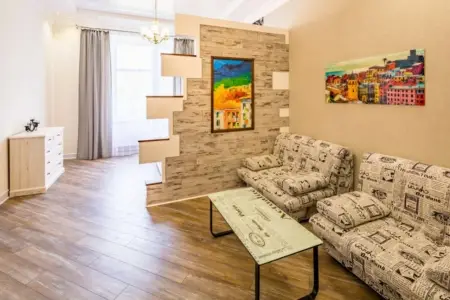
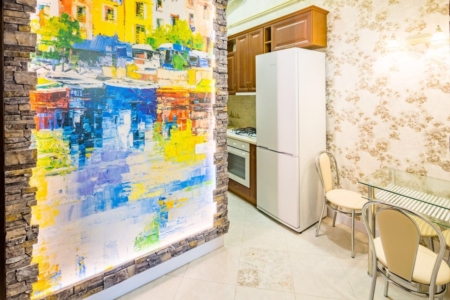
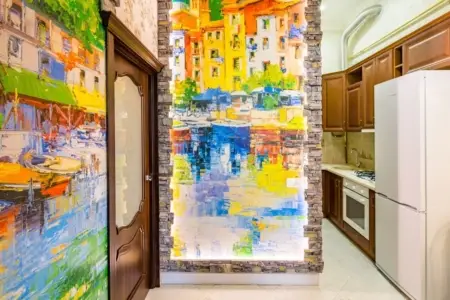
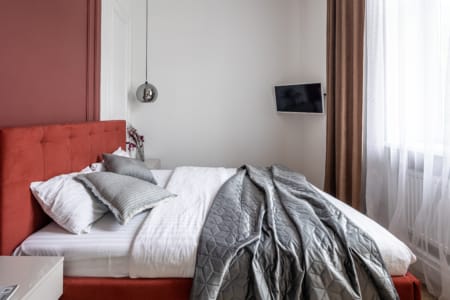
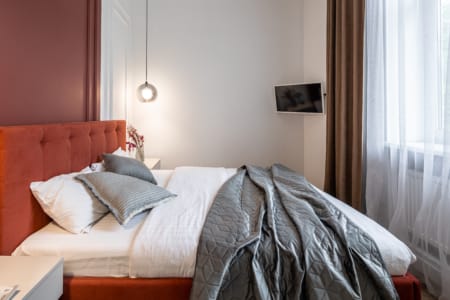
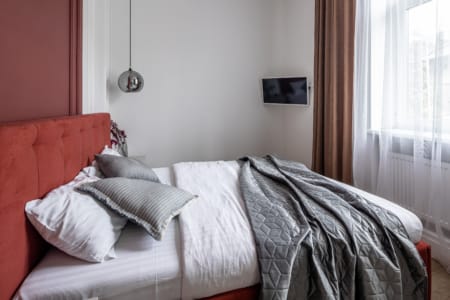
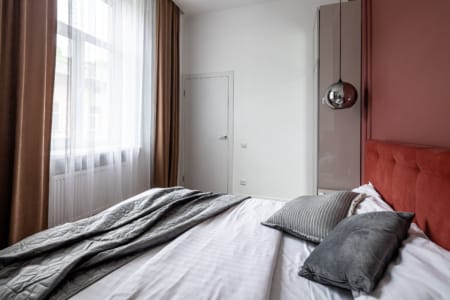
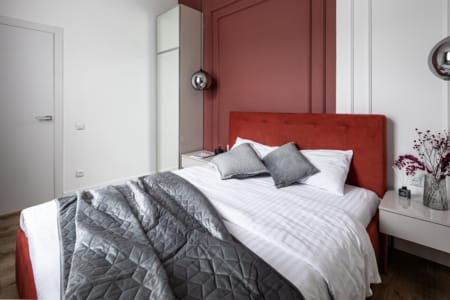
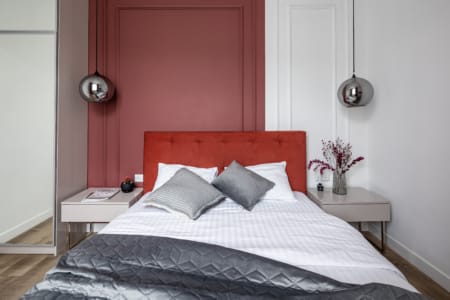
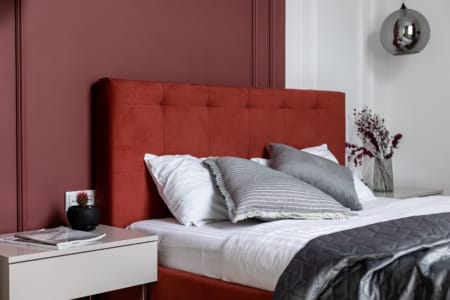
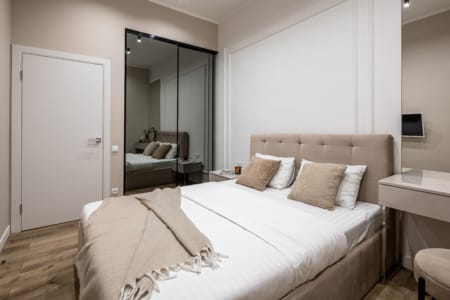
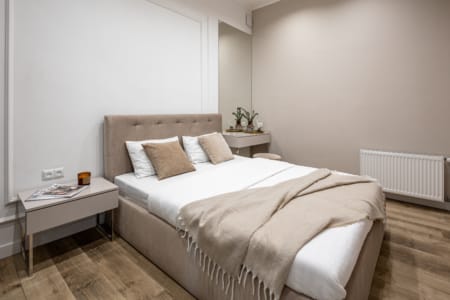
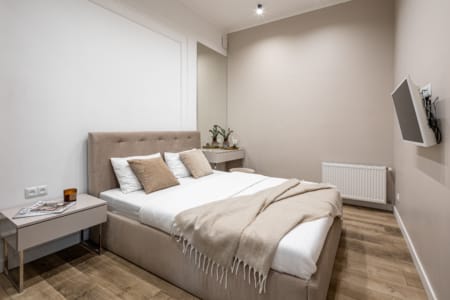
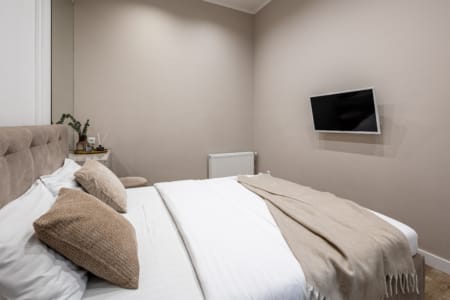
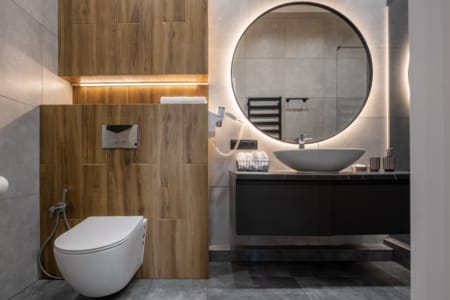
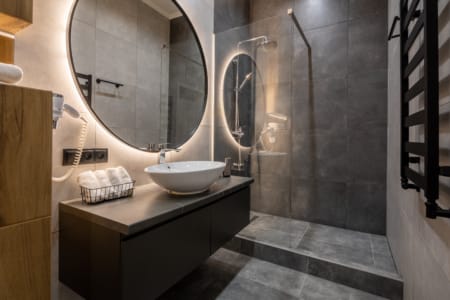
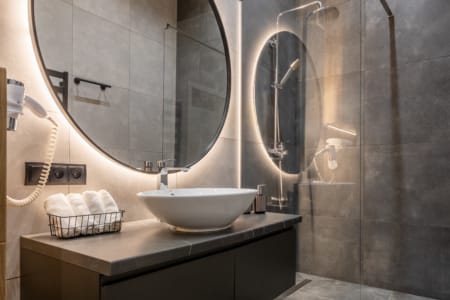
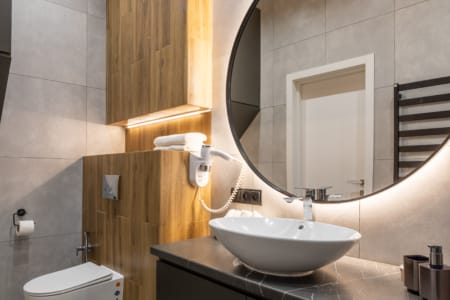
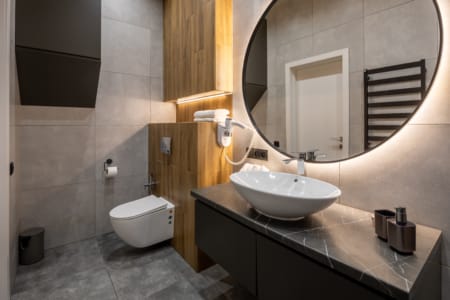
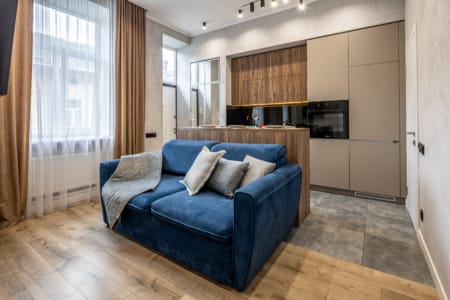
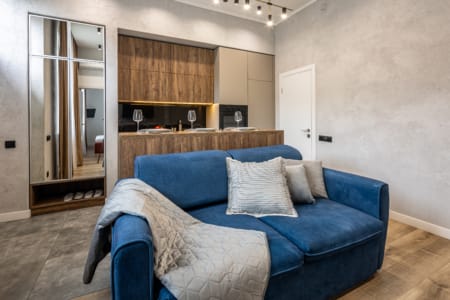
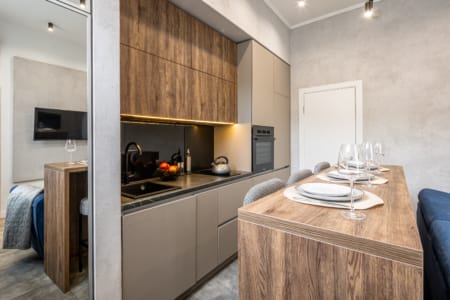
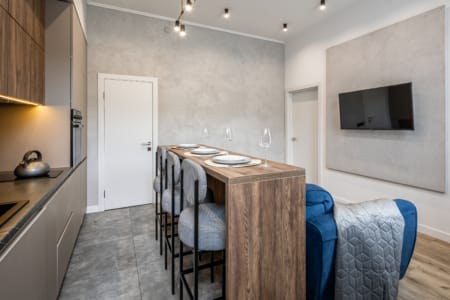
 Leo Apartment
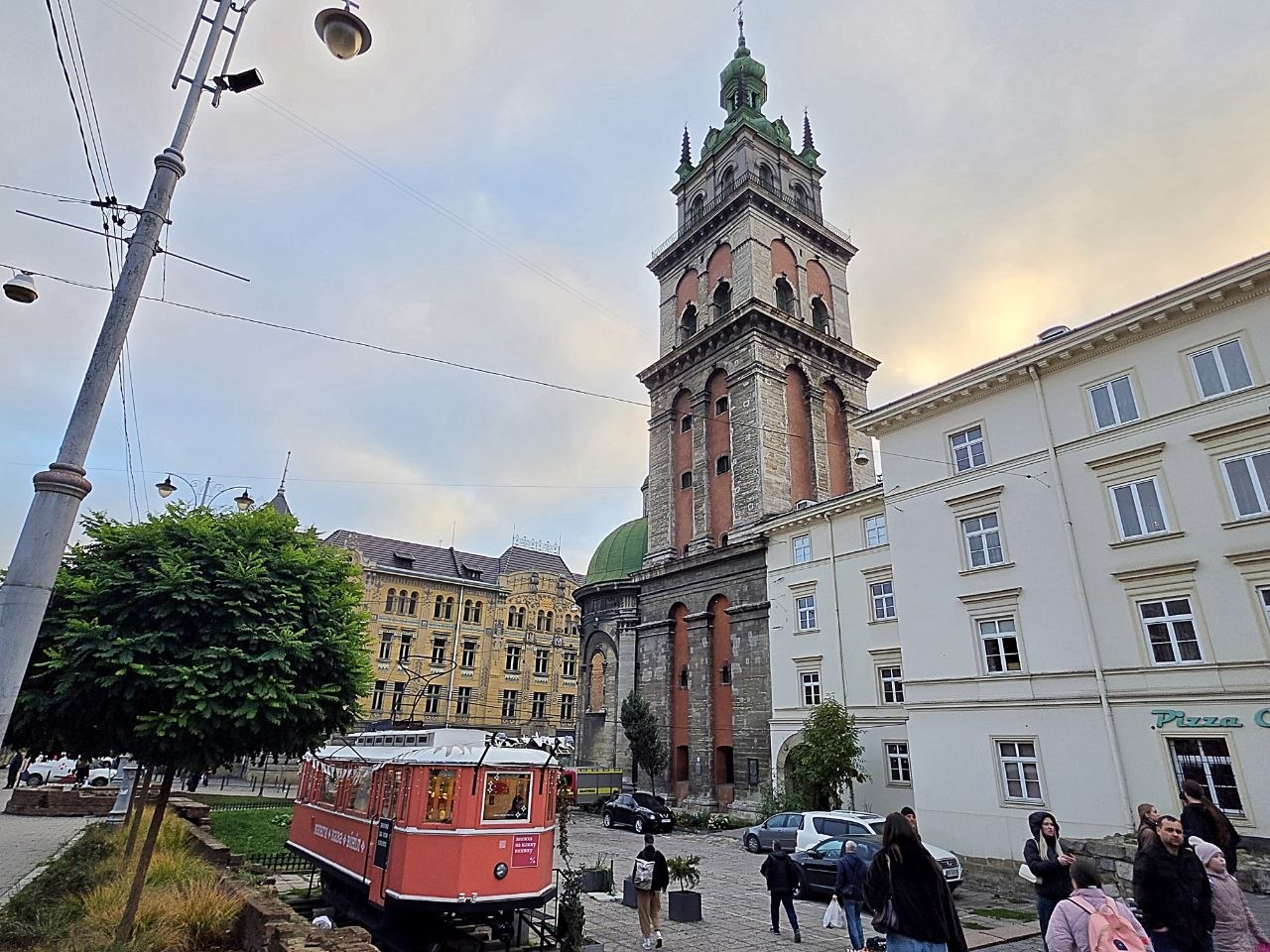
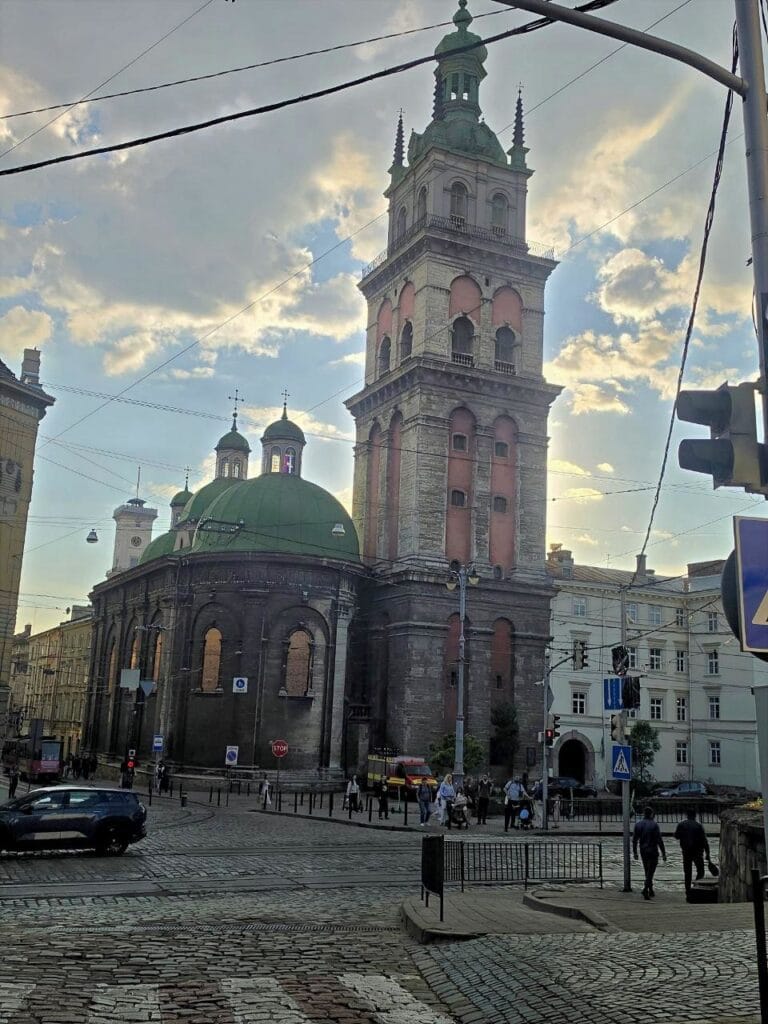
The Dormition Church in Lviv is part of one of the city’s best-known Ukrainian Renaissance landmarks. The ensemble consists of three buildings: the Korniakt Tower, the Chapel of the Three Saints and the Dormition Church itself. Together they create a scene often compared to Italy.
Yet this is not only beautiful architecture. For centuries this block was the heart of Ukrainian Lviv, with a brotherhood, a school and a printing house that shaped the culture of the whole region.
Where Is the Dormition Church?
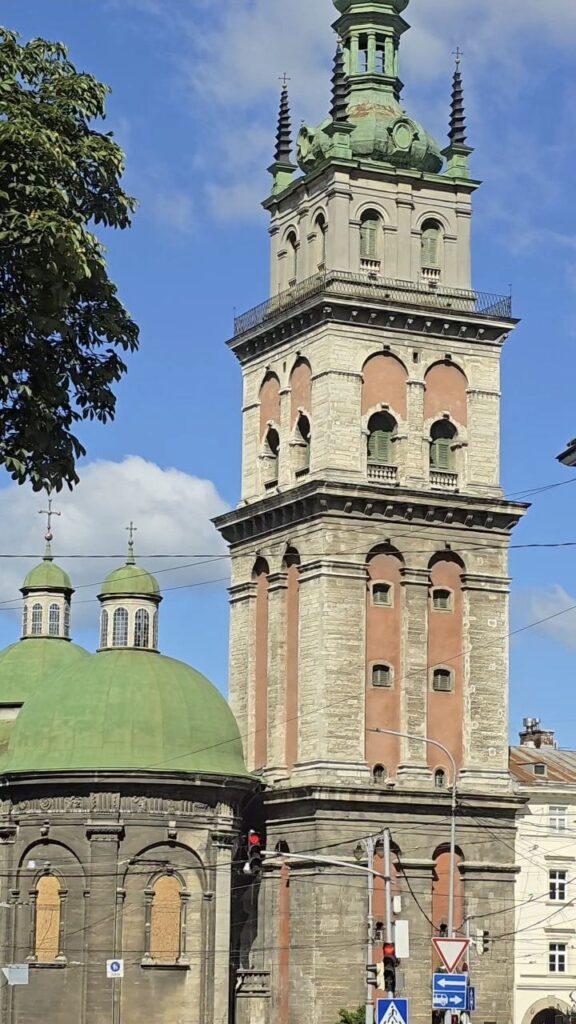
The ensemble occupies an entire block at the corner of Ruska and Pidvalna Streets, a few minutes from Rynok Square. The Korniakt Tower is the easiest landmark: you can see it from many points in the Old Town.
What is nearby:
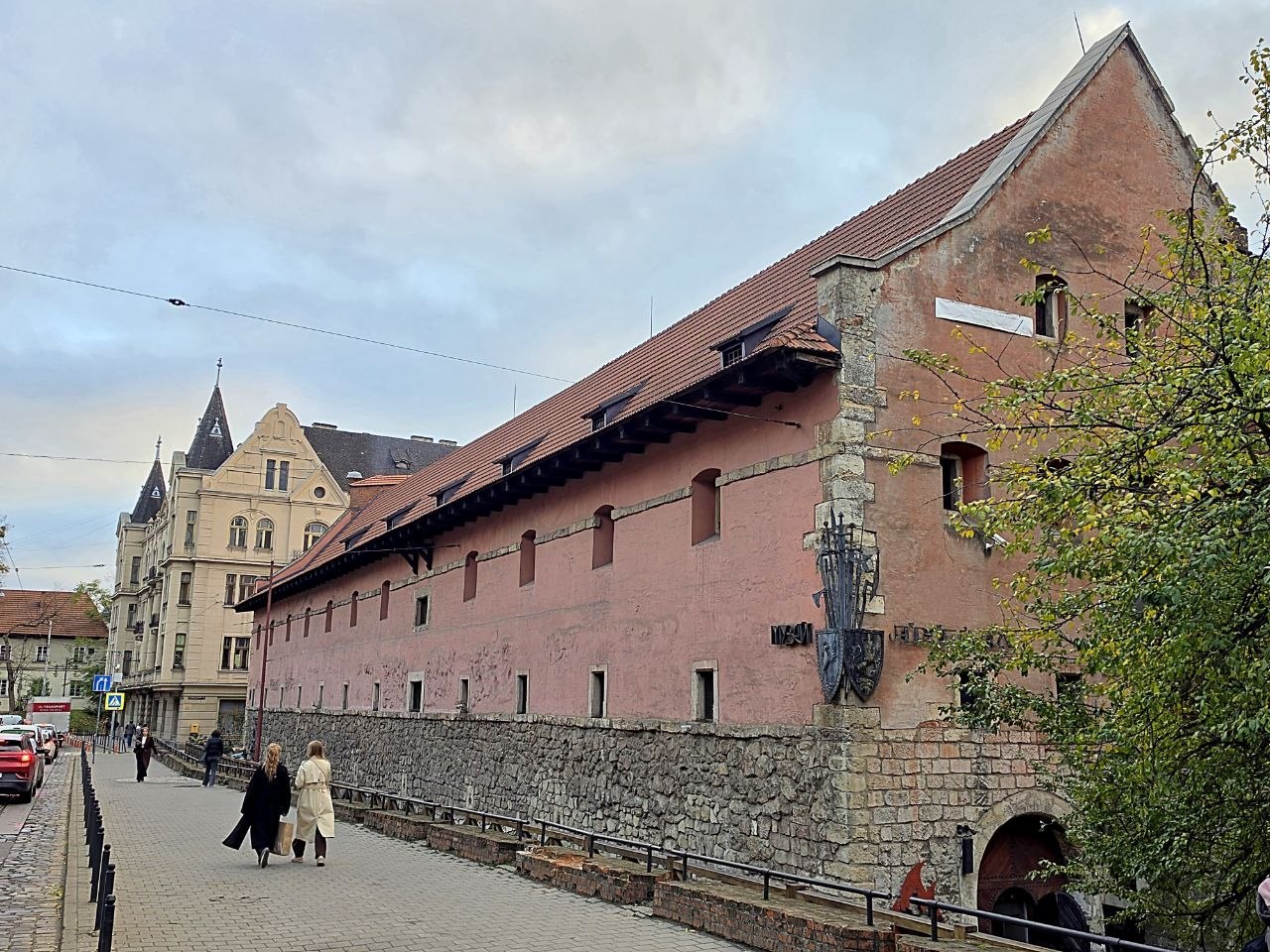
- the City Arsenal Museum, across the street on Pidvalna;
- the Armenian Quarter, a few minutes on foot;
- the Dominican Cathedral, about 3 minutes away.
The Korniakt Tower: a Symbol of Lviv
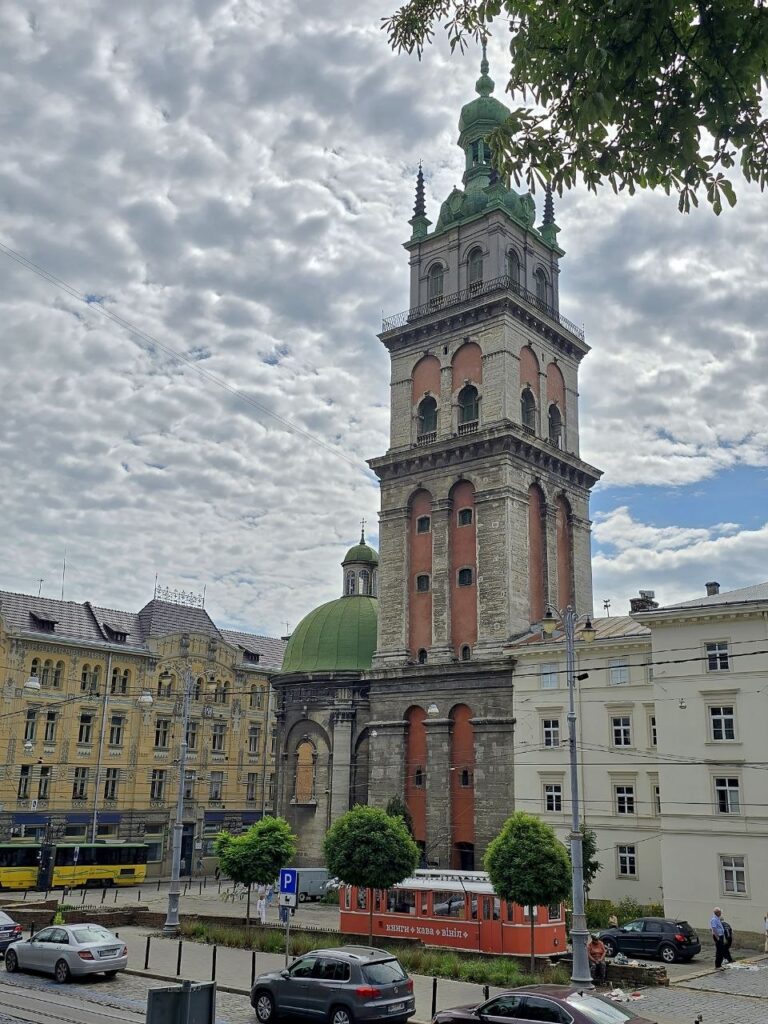
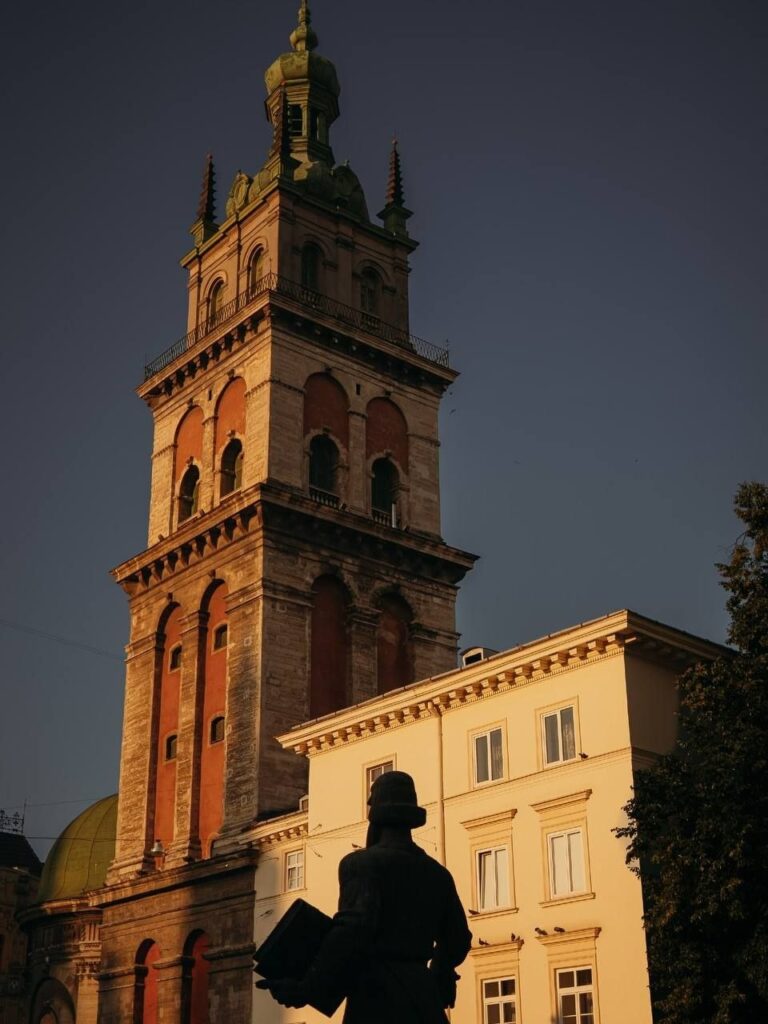
The oldest part of the ensemble is the bell tower, built in 1572–1578 to a design by the architect Petro Barbon with the participation of Paolo Romano. It was funded by Konstantin Korniakt, a wealthy Lviv merchant of Greek origin. That is why the tower bears his name.
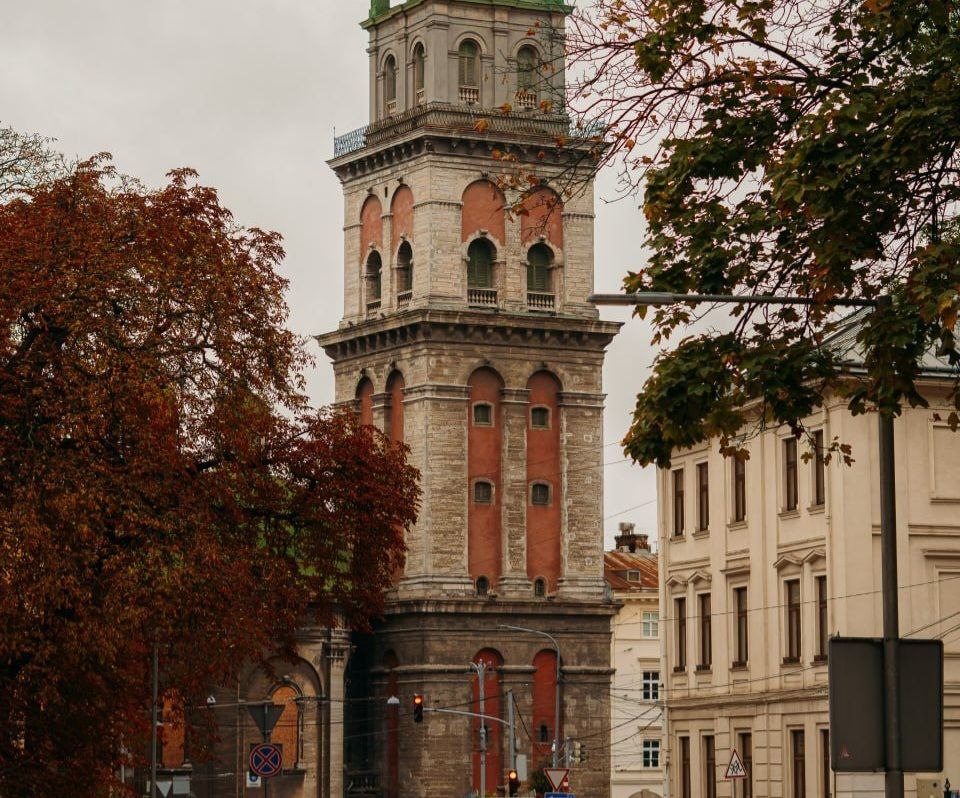
The tower is 65.8 metres high without the cross. Its slender Renaissance silhouette recalls Italian campaniles, and in its day it was considered one of the most beautiful buildings in Europe.
Fun Facts about the Tower
- A great bell. The tower holds a bell about 2 metres in diameter.
- A place of punishment. The Lviv brotherhood used the tower to punish members who had misbehaved.
- An Old Town landmark. The tower is visible from many streets in the centre, so it helps you find your way.
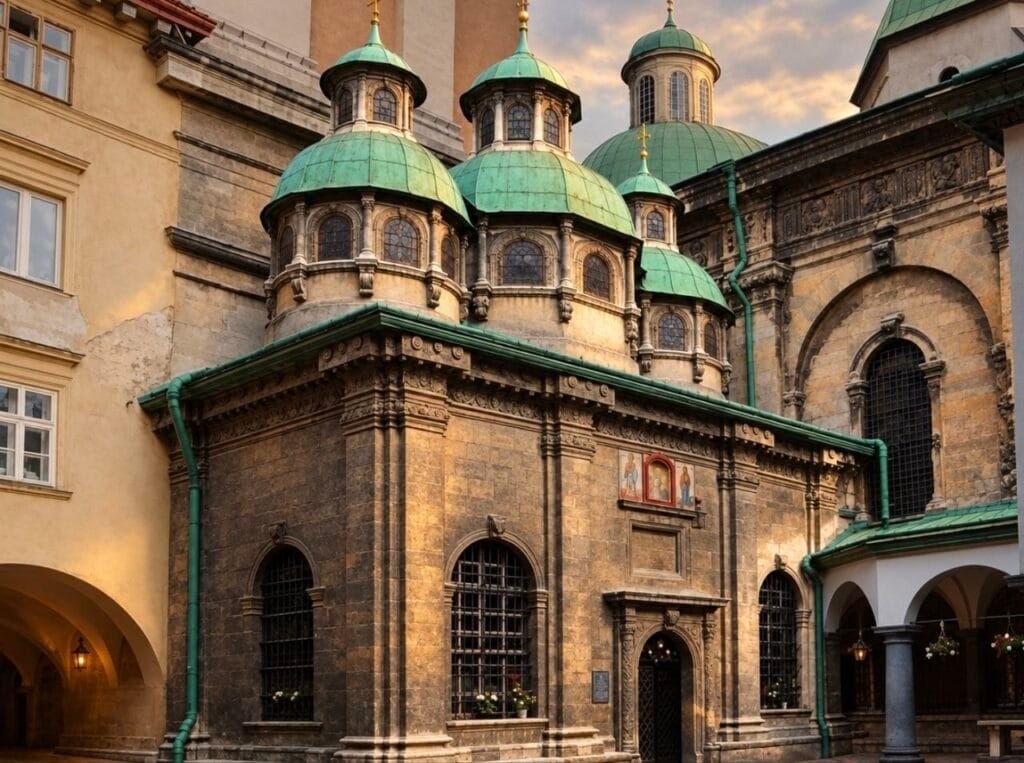
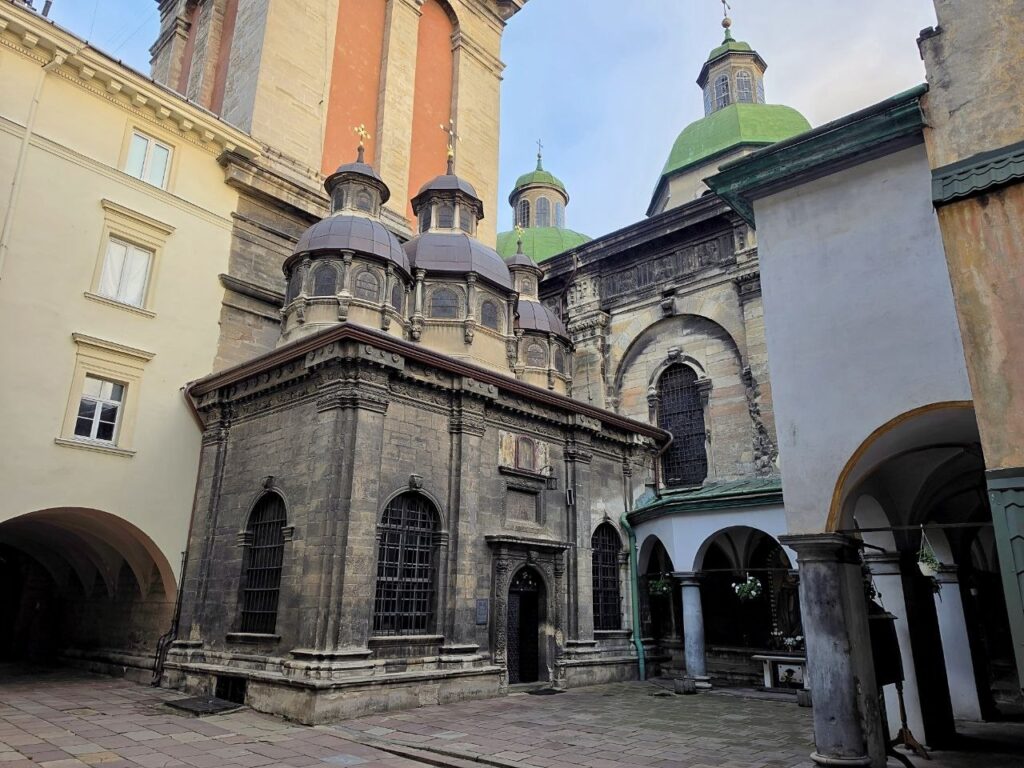
The Chapel of the Three Saints
The chapel was built in the late 16th century: the heritage plaque on its wall dates it to 1578–1591. The builder was Andriy Pidlisny. In 1672 it was rebuilt with funds from the brotherhood member Oleksiy Balaban.
The chapel is dedicated to Saints Basil the Great, Gregory the Theologian and John Chrysostom. Look closely at the carved stone portal with its Renaissance ornament.
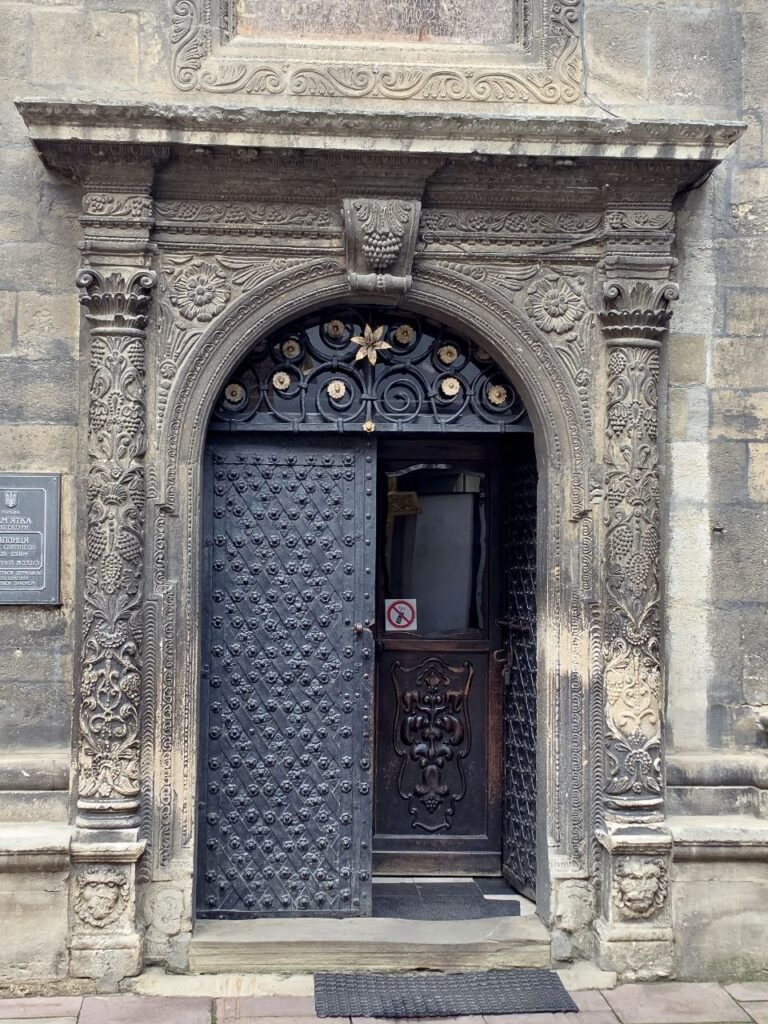
Interestingly, the chapel is older than the current church, which was only begun in 1591.
The Dormition Church: How It Was Built
The current church was built in 1591–1629 on the site of earlier churches destroyed by fires. Paolo Romano and Wojciech Kapinos built it, and Ambrogio Przychylny completed the work. The church was consecrated on 26 January 1631.
The Lviv Dormition Brotherhood funded the construction. The donors also included the Moldavian Movilă family of rulers, which is why the church is sometimes called the Wallachian Church.
What to See Inside
- Stained glass by Petro Kholodny. In 1926–1927 the church was decorated with stained-glass windows by Petro Kholodny the Elder.
- The iconostasis and carvings. The interior combines Renaissance restraint with rich decoration.
- The crypt. Benefactors of the church and distinguished brotherhood members are buried here, including the tower’s founder Konstantin Korniakt.
The Stauropegion Brotherhood and Its Printing House
The Dormition Brotherhood was active at the church and received stauropegion rights in 1586. It ran a school, a hospital and a printing house while defending the rights of the city’s Ukrainians.
The brotherhood’s printing house published liturgical books and textbooks, and its school was one of the centres of learning in Lviv at the time.
At the foot of the Korniakt Tower stands a monument to Ivan Fedorov. It was unveiled in 1977 to mark 400 years of book printing in Ukrainian lands, a fitting neighbour for a church that had its own brotherhood printing house.
The ensemble lies within the historic centre of Lviv, a UNESCO World Heritage Site.
Tips for Visitors
- Dress code. This is an active Orthodox church, so cover your shoulders and knees.
- The courtyard. Walk through the stone gateway into the inner courtyard for the best view of the tower and chapel.
- Photos. The best shots of the tower are from Pidvalna Street and near the Arsenal.
- Quiet. During services, do not take photos or talk loudly.
- Your route. Combine the ensemble with the Arsenal and the Armenian Quarter. Allow 2–3 hours for all three.
Where to Stay near the Dormition Church
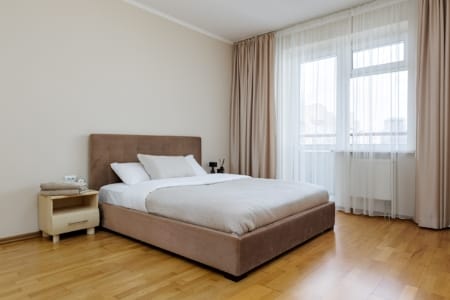
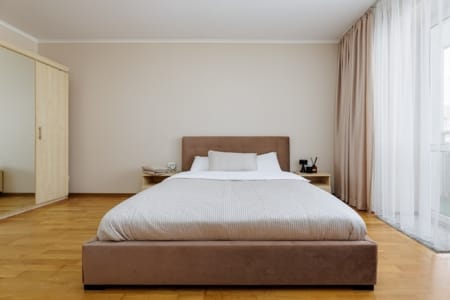
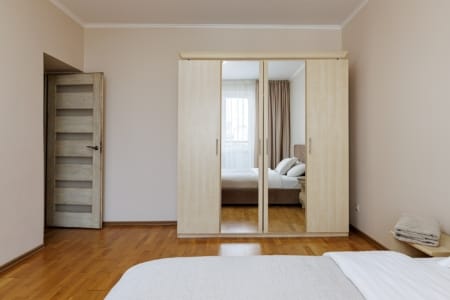
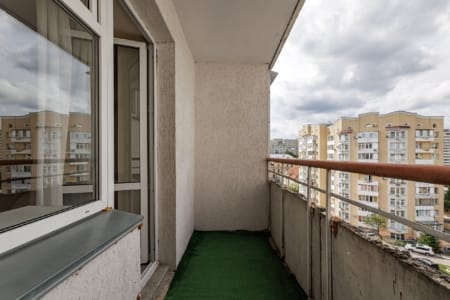
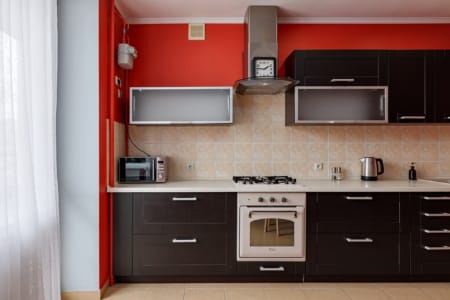
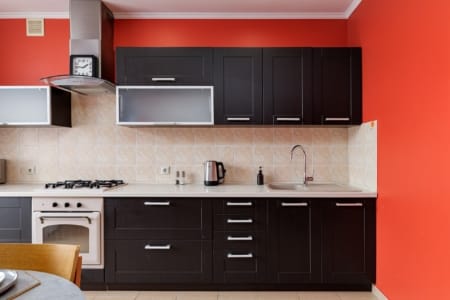
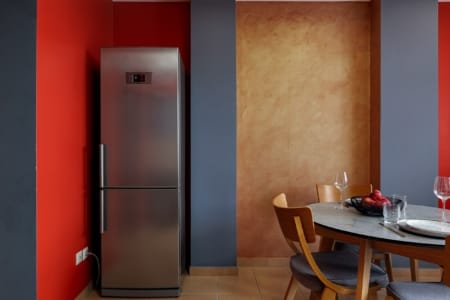
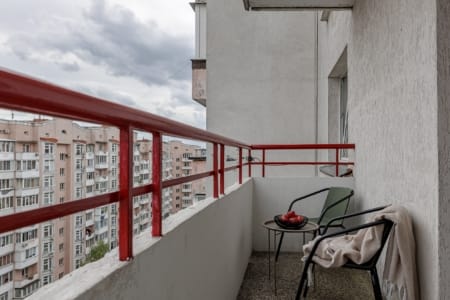
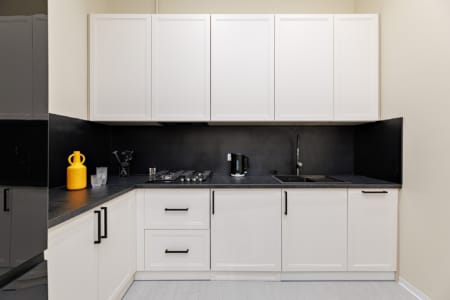
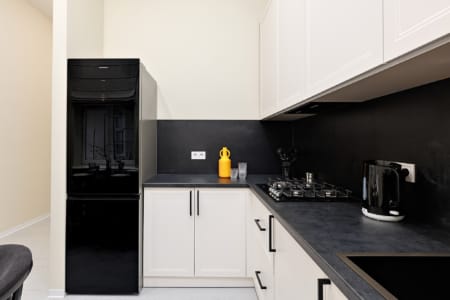
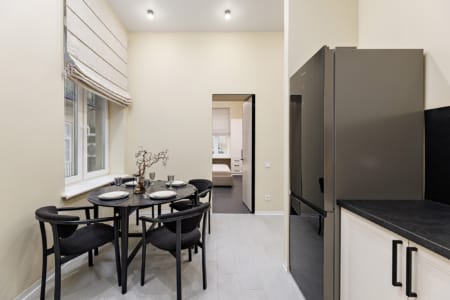
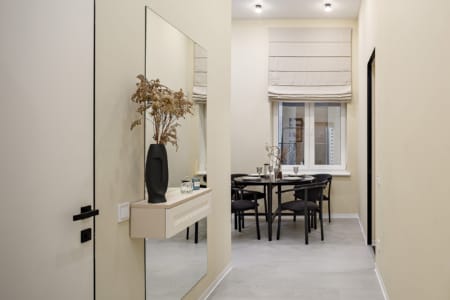
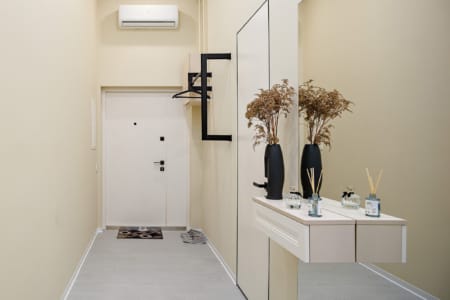
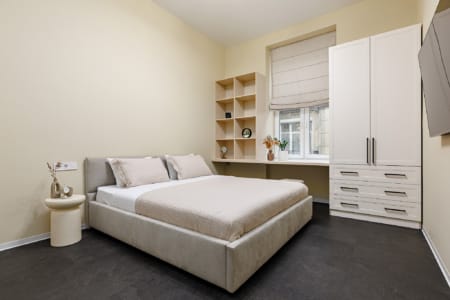
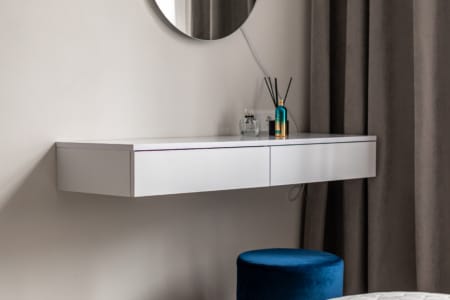
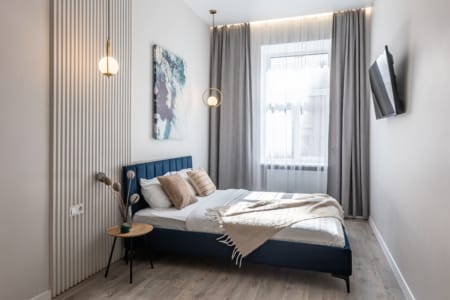
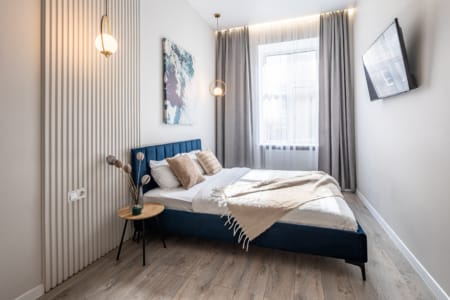
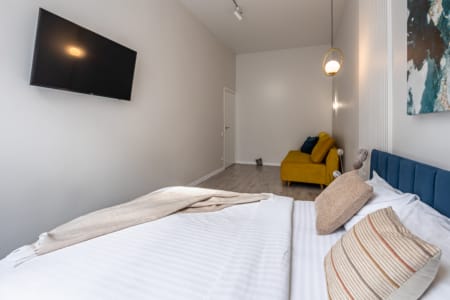
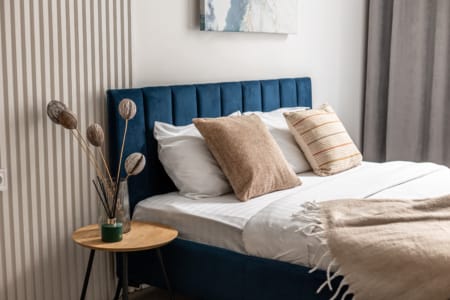
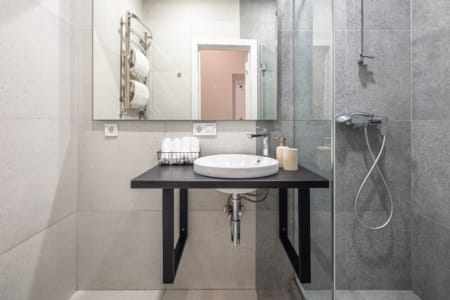
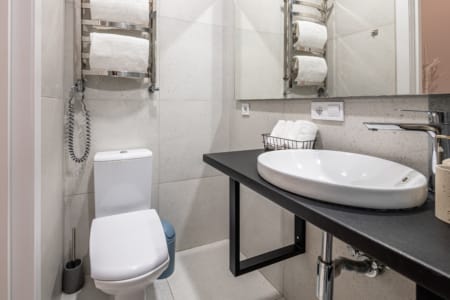
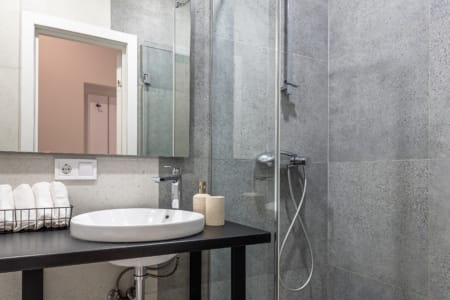
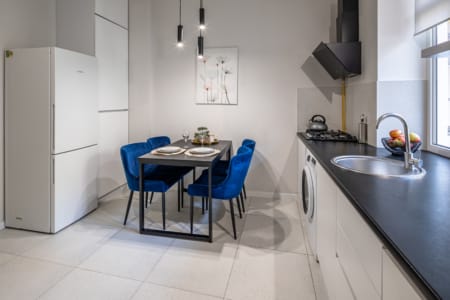
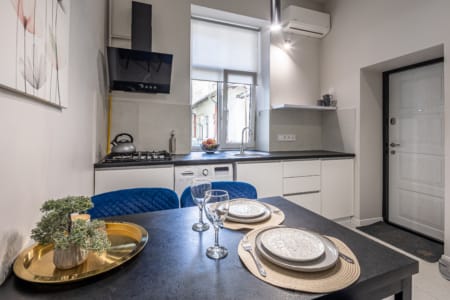
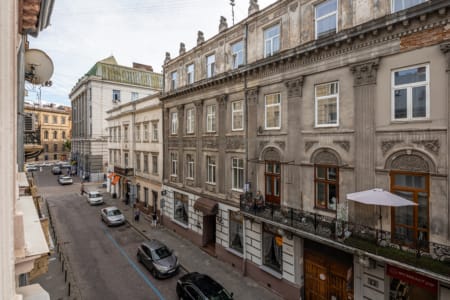
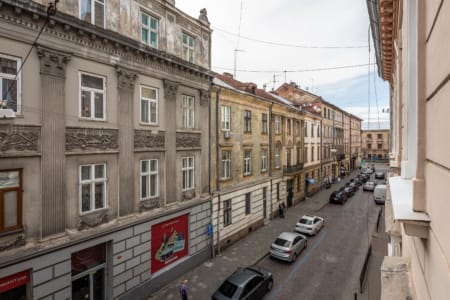
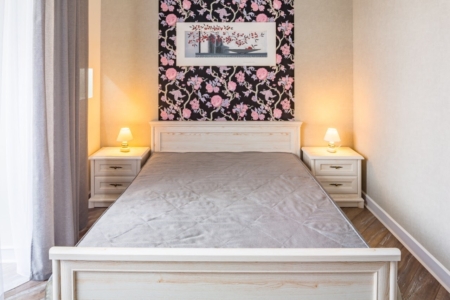
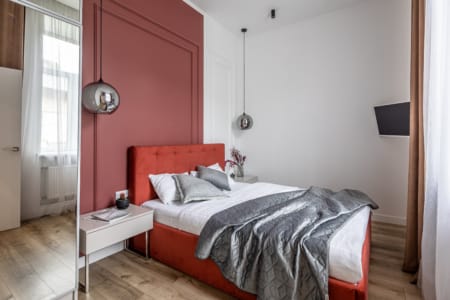
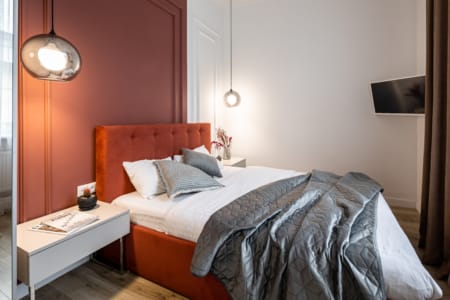
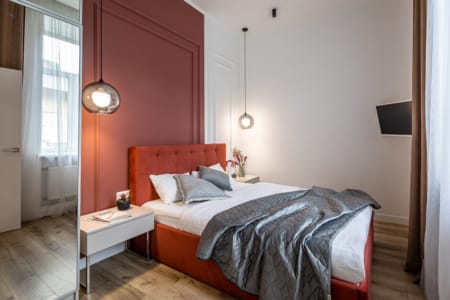
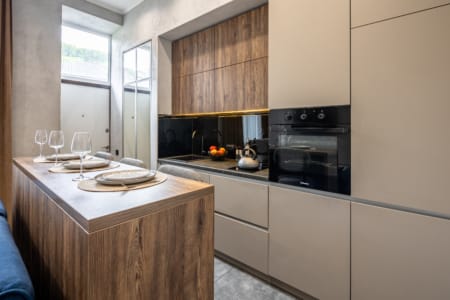
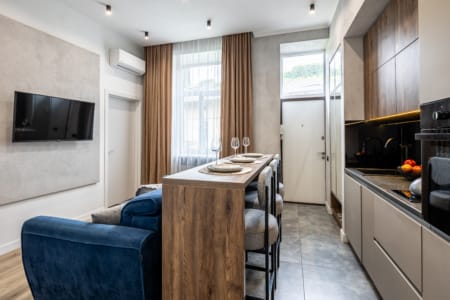
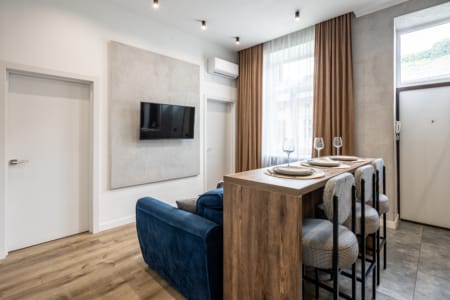
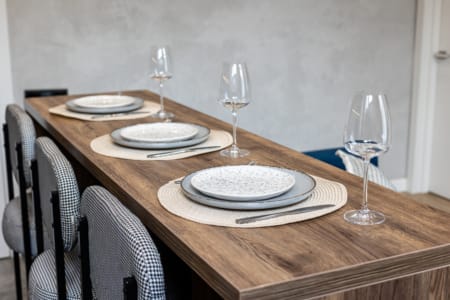
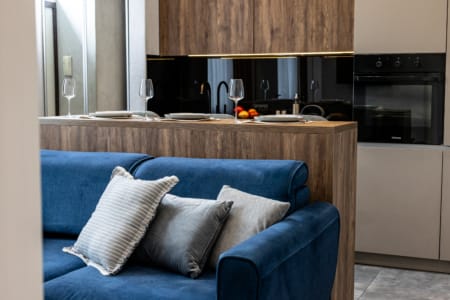
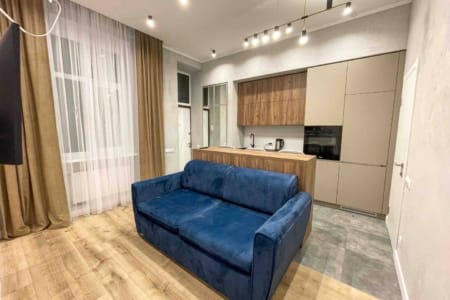
Danyla Halytskoho Square is a few minutes’ walk from here, and our apartments are right there:
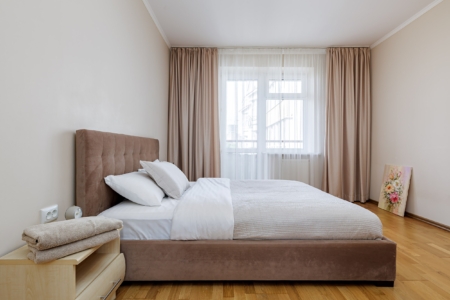
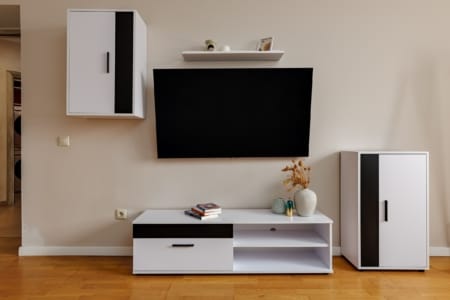
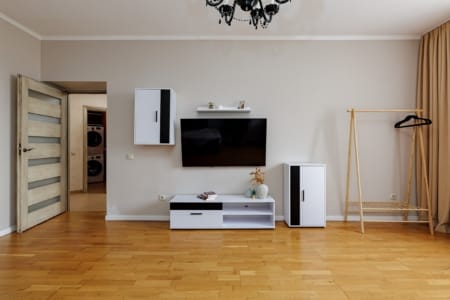
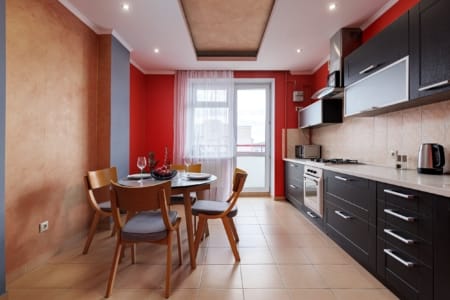
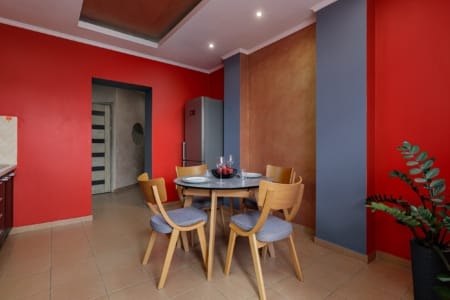
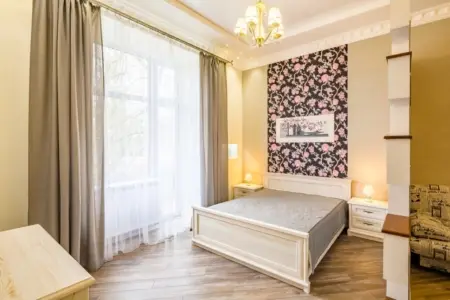
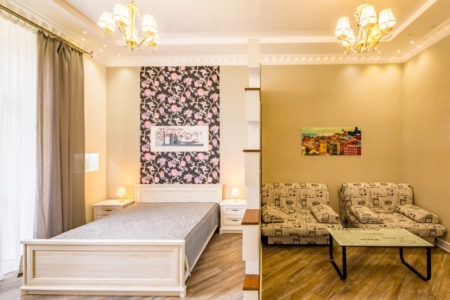
- one-bedroom apartment for 2 on Danyla Halytskoho Square;
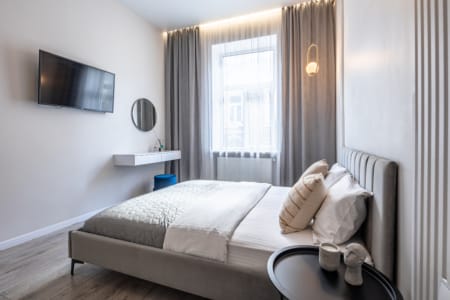
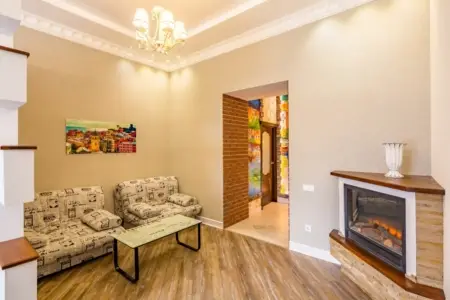
- one-bedroom apartment for 4 on Danyla Halytskoho Square.
See more options in our apartments in Lviv.
Conclusion
The Dormition Church ensemble is both a Renaissance masterpiece and a reminder of how Lviv’s Ukrainian community defended its faith and culture. The Korniakt Tower, the chapel and the church deserve at least an hour of your time.
Planning a trip? Book a short-term apartment in Lviv close to the Old Town: online, directly, with no intermediaries and no commission.
Dormition Church in Lviv: FAQ
Where is the Dormition Church in Lviv?
At the corner of Ruska and Pidvalna Streets, a few minutes from Rynok Square.
What does the ensemble include?
The Korniakt Tower, the Chapel of the Three Saints and the Dormition Church.
How tall is the Korniakt Tower?
65.8 metres without the cross. It was built in 1572–1578.
Why is it called the Wallachian Church?
Its donors included the Moldavian (Wallachian) Movilă family of rulers.
Who made the stained glass?
The artist Petro Kholodny the Elder, in 1926–1927.
How much time do I need?
About an hour for the ensemble, or 2–3 hours together with the Arsenal and the Armenian Quarter.











Join the discussion