
Dominican Cathedral in Lviv: History, Architecture and What to See
 Leo Apartment

The Dominican Cathedral in Lviv is now the Greek Catholic Church of the Holy Eucharist on Muzeina Square. It was built in 1749–1764 to a design by Jan de Witte in the late Baroque style, and its huge elliptical dome can be seen from many points of the Old Town. The former Dominican monastery houses the Lviv Museum of the History of Religion.
Where is the Dominican Cathedral?
The church stands on Muzeina Square in the eastern part of the Old Town, a few minutes’ walk from Market Square. Virmenska Street leads to the walls of the former monastery.

History
The Dominicans received the Gothic Church of Corpus Christi here in 1407. In 1511 the church was destroyed by fire, and in 1527 it was damaged again by the Great Fire that destroyed Gothic Lviv.
The cornerstone of the present church was laid in 1749, and construction was largely completed in 1764. The main founder was the Great Crown Hetman Józef Potocki. The design was by Jan de Witte; construction was led by Marcin Urbanik and, from 1764, by Krzysztof Muradowicz. After fires on 26 August 1766 and in 1778 the church had to be restored. In 1865 a four-tier bell tower designed by the architect Julian Zachariewicz was added.
In 1973 the monastery building became home to the Museum of the History of Religion and Atheism, today the Lviv Museum of the History of Religion. In the 1990s the church was handed over to the Ukrainian Greek Catholic Church, and it is now the Church of the Holy Eucharist.
Architecture
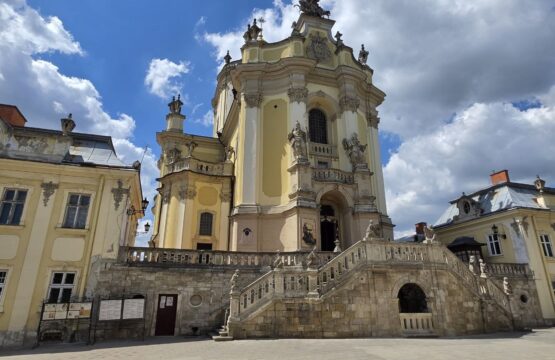
The church is one of the most striking examples of late Baroque in Lviv. A huge elliptical dome rises above it. The façade, with columns, niches and figures, was decorated by the sculptor Sebastian Fesinger.

The dome and bell tower are easy to see from Muzeina Square and from Pidvalna Street, where the monument to Ivan Fedorov stands.

Interior
Sculptures by Sebastian Fesinger survive inside. The Chapel of St Dominic holds an old icon in a pseudo-Rococo altar and the Empire-style tomb of Countess Józefa Dunin-Borkowska (died 1811) by the Danish sculptor Bertel Thorvaldsen.

Museum of the History of Religion
The former Dominican monastery houses the Lviv Museum of the History of Religion and the Dzyga art association. Check the museum’s opening hours and ticket prices on its official website.
How to visit the church
- It is an active church, so visit outside service times or keep quiet.
- Dress modestly: it is best to cover shoulders and knees.
- Follow the rules posted on site about taking photos inside.
- Check opening times on site, as the church schedule may change.
What to see nearby
From the church, Virmenska Street takes you to the Armenian Quarter. Nearby are Na Valakh Park with the Gunpowder Tower and the Bernardine Monastery. On Krakivska Street stands the Transfiguration Church.
Where to stay nearby
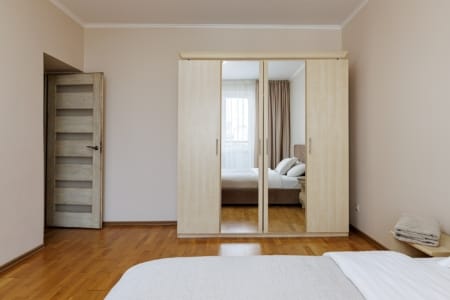
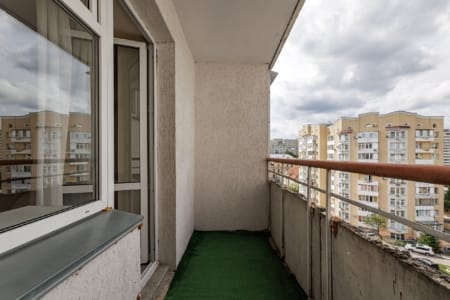
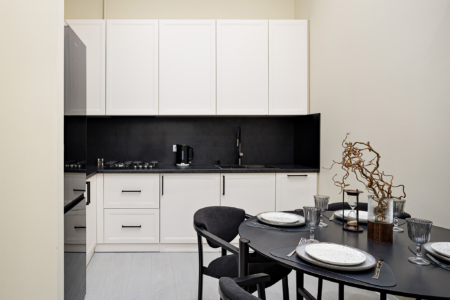
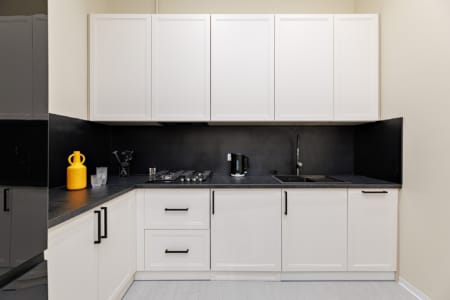
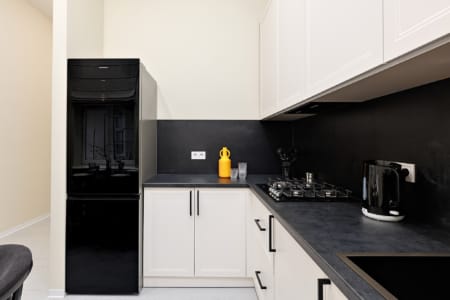
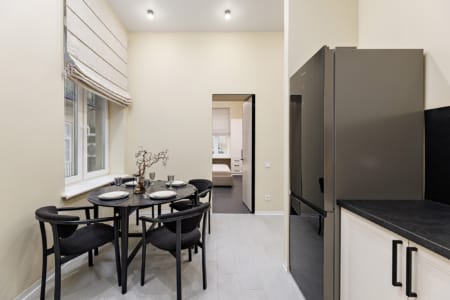
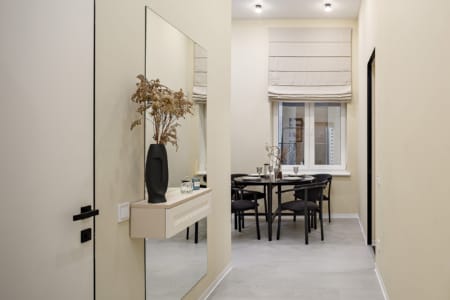
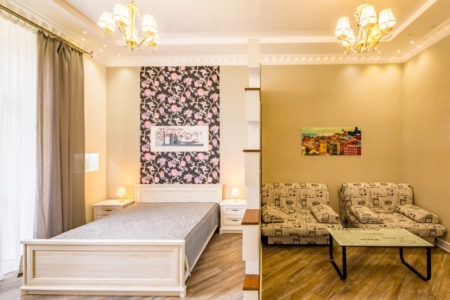
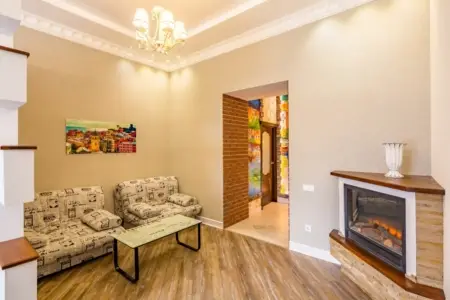
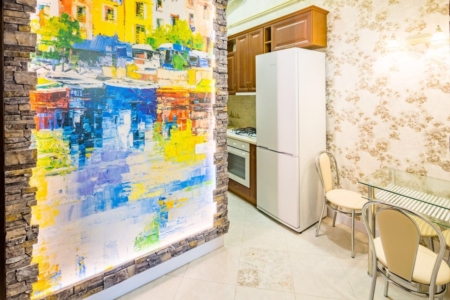
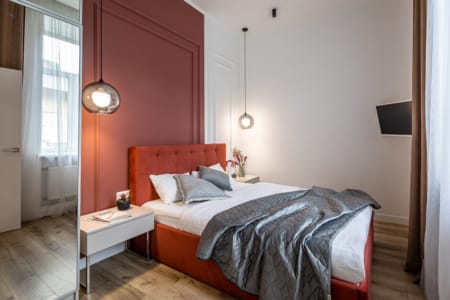
Several of our apartments are a few minutes’ walk from the church:
- apartment on Krakivska Street;
- two-room apartment and one-room apartment on Danyla Halytskoho Square.
See all options in our apartments in Lviv.
Tips
- Allow 20–30 minutes for the church and another hour for the Museum of the History of Religion.
- Combine your walk with the Armenian Quarter and Na Valakh Park.
- The best view of the dome is from the square in front of the church and from Pidvalna Street.
Frequently asked questions about the Dominican Cathedral
What is the Dominican Cathedral called today?
The Church of the Holy Eucharist of the Ukrainian Greek Catholic Church.
When was the Dominican Cathedral built?
In 1749–1764, to a design by Jan de Witte. The bell tower was added in 1865.
Where is the Dominican Cathedral?
On Muzeina Square in Lviv’s Old Town, a few minutes’ walk from Market Square.
Can you go inside?
Yes, it is an active church. Visit outside services and follow the rules on site.
What is in the former monastery?
The Lviv Museum of the History of Religion and the Dzyga art association.

















Join the discussion