The Bernardine Monastery in Lviv is a fortified monastery complex on Soborna Square and one of the most interesting sights of the Old Town. Its church, now the Greek Catholic Church of St Andrew, was built in the 1600s–1630s. The monastery stood outside the main city walls, so it had its own walls with a gate and towers.
Where is the Bernardine Monastery?
The complex is at 3a Soborna Square, on the south-eastern edge of the Old Town. Market Square is a few minutes’ walk away, and Valova and Pidvalna streets run alongside.
History
The Bernardines (a branch of the Franciscan order) settled in Lviv in the 15th century. The present masonry church was built from 1600 to the 1630s. The main architect was the Italian Paolo Romano (Paweł Rzymianin); his work was continued by the Swiss Ambrosius Przychylny, and in 1630 the decoration of the church was completed under the Wrocław sculptor and architect Andreas Bemer.
The monastery adjoined the southern front of the main city fortifications from the outside and for a long time served as an outer outpost of Lviv’s defences. Today the monastery buildings house the Central State Historical Archive of Ukraine in Lviv, and the church is cared for by the Basilian Fathers of the Ukrainian Greek Catholic Church.
Architecture of St Andrew’s Church
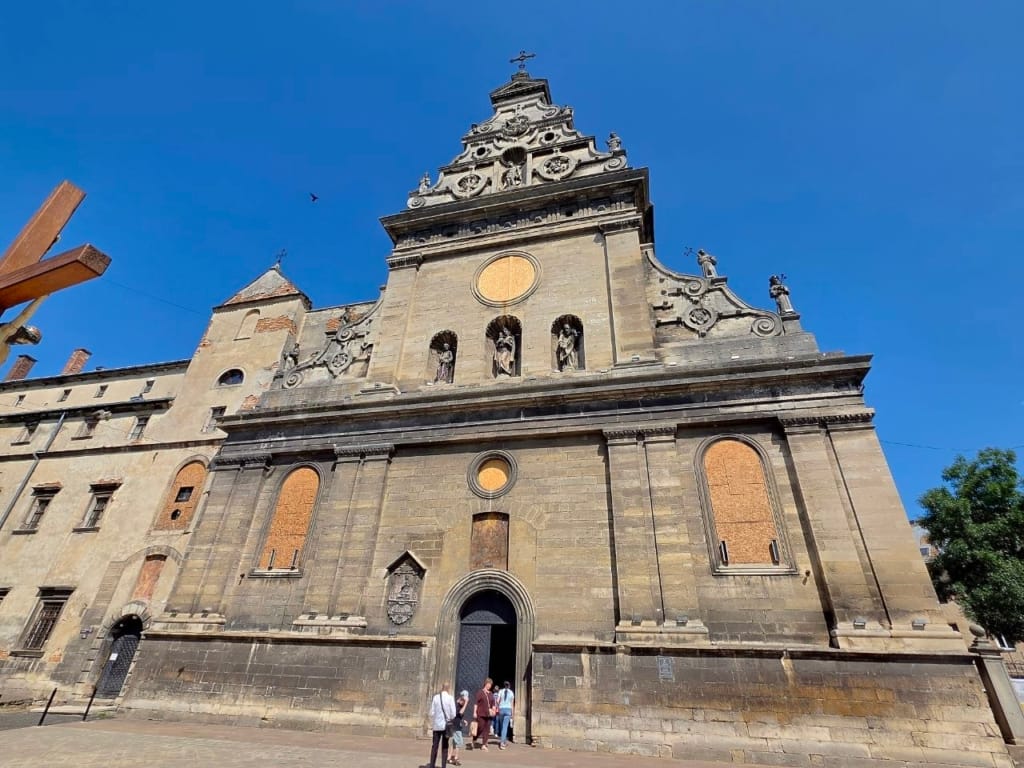
The church was built in the style of Italian-Netherlandish Mannerism. It is 57.5 metres long and 22 metres high. The façade is decorated with a gable, niches with statues and pilasters.
The church façade with its gable and niches.
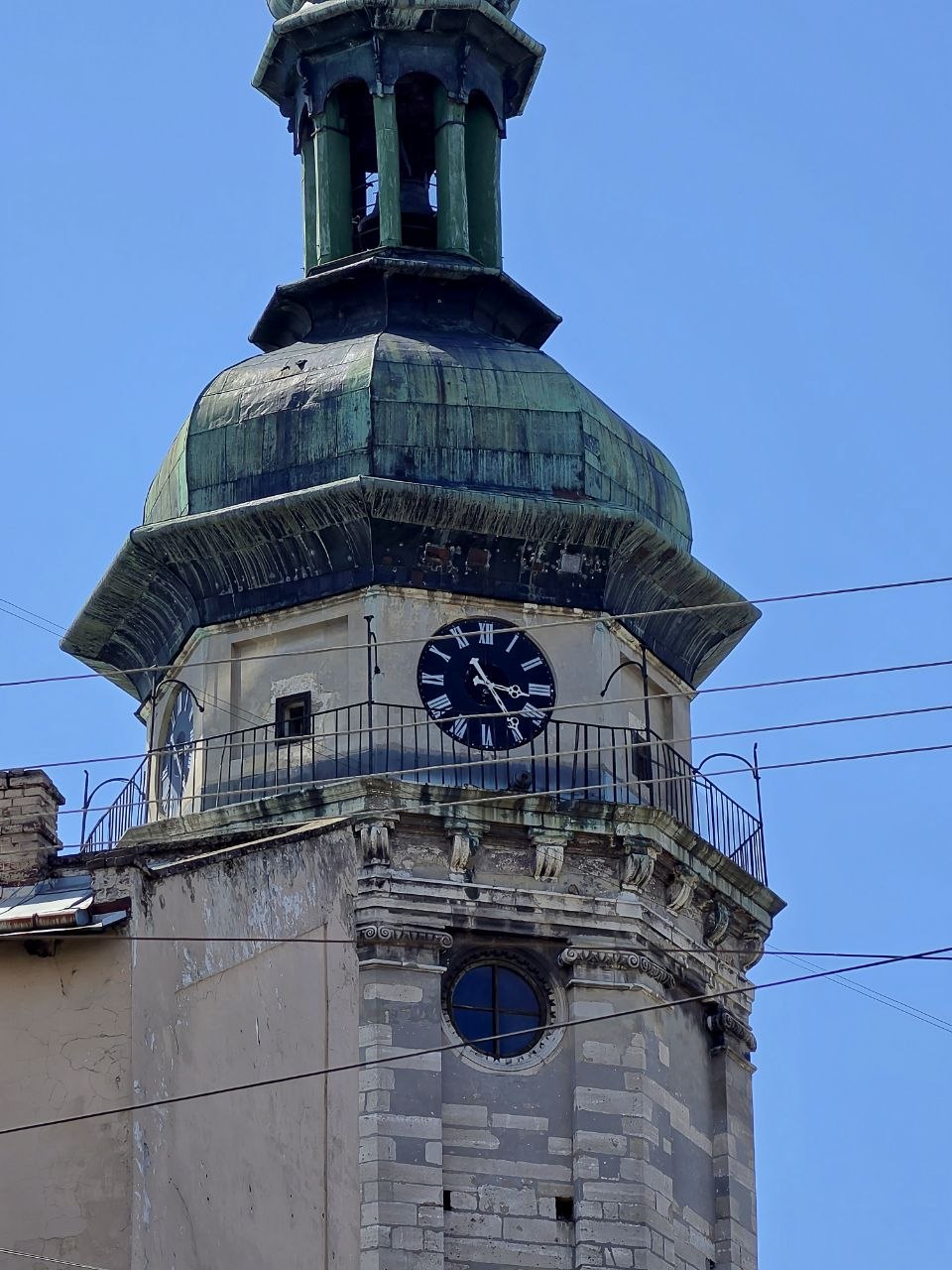
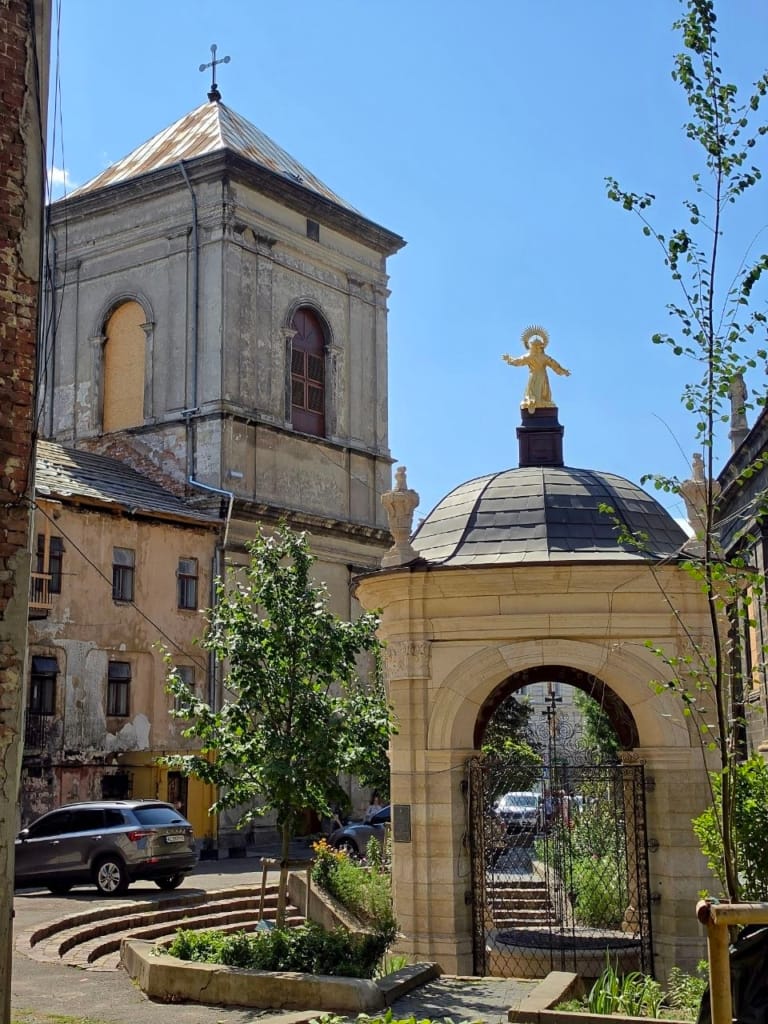
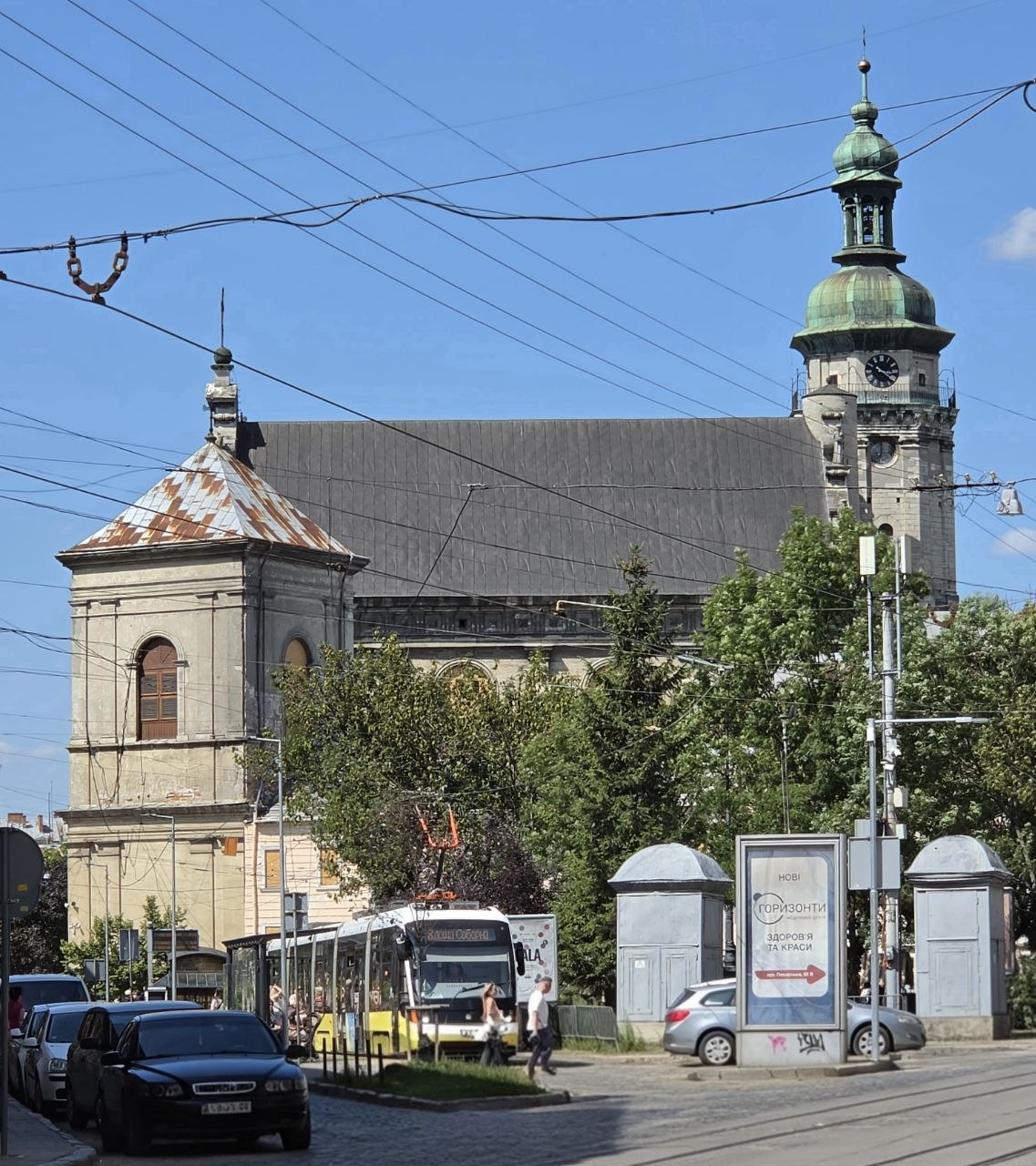
The bell tower was built in 1734. In 1753 a striking clock was installed on it, and master Andrii Frank cast a special bell for it.
The clock on the 1734 bell tower.
Interior
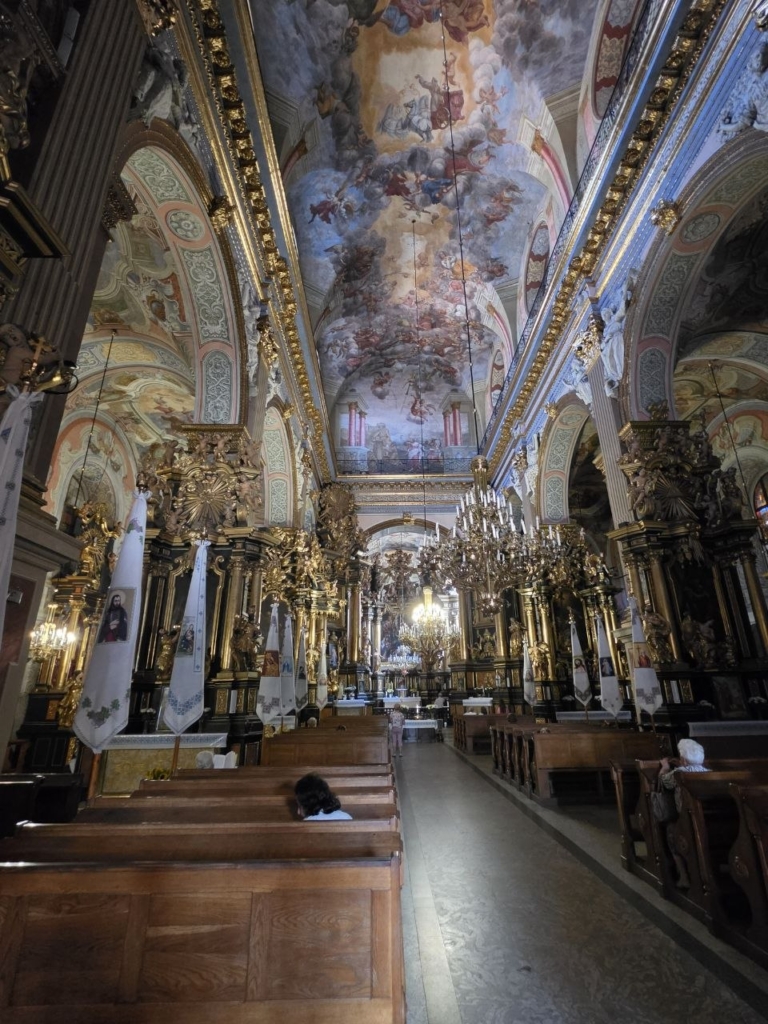
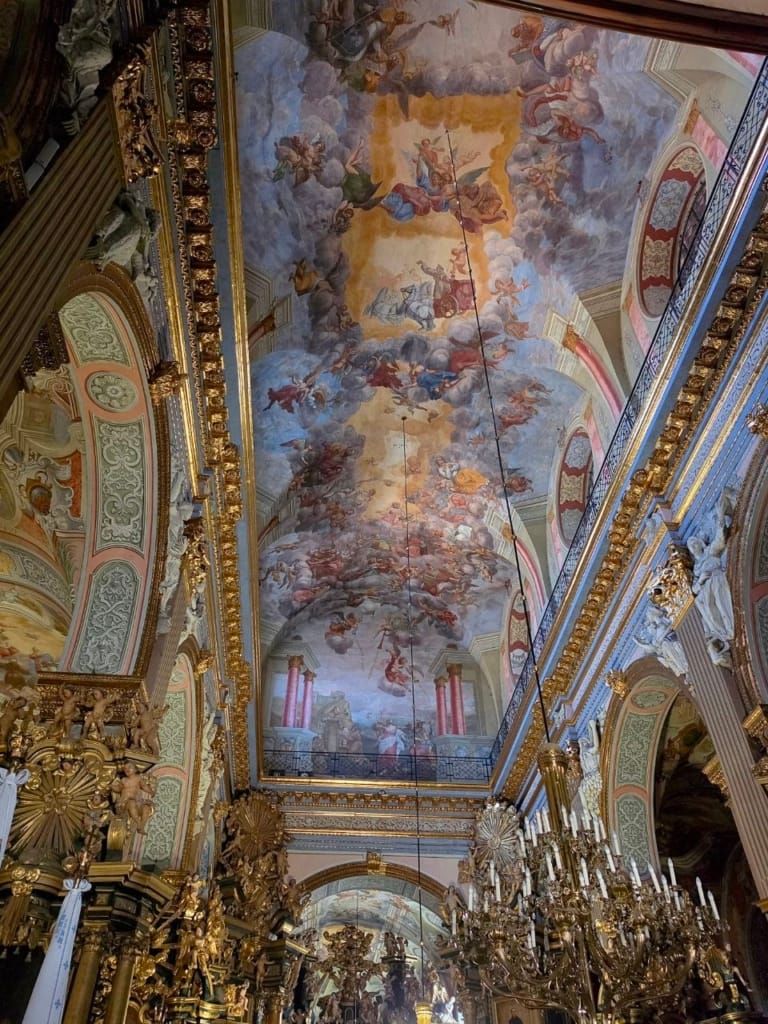
The church has 17 wooden altars made in the 1730s–1740s. The wall and vault paintings were created in 1738–1740 by Benedykt Mazurkiewicz. The organ has 1,700 pipes and 32 stops.
The interior with its wooden altars.Paintings by Benedykt Mazurkiewicz, 1738–1740.
Well, rotunda and the column of St John of Dukla
In the courtyard next to the church is a well from 1620. In 1761 a rotunda was built over it: an open arched pavilion with a dome and a sculpture. The dome still has a painting of the miracles of St John of Dukla, one of the monastery’s first superiors. Nearby stands the column of St John of Dukla, rebuilt in stone in 1736 to replace an earlier wooden one.
The 1761 rotunda over the 1620 well.
Defensive walls and the Hlyniany Gate
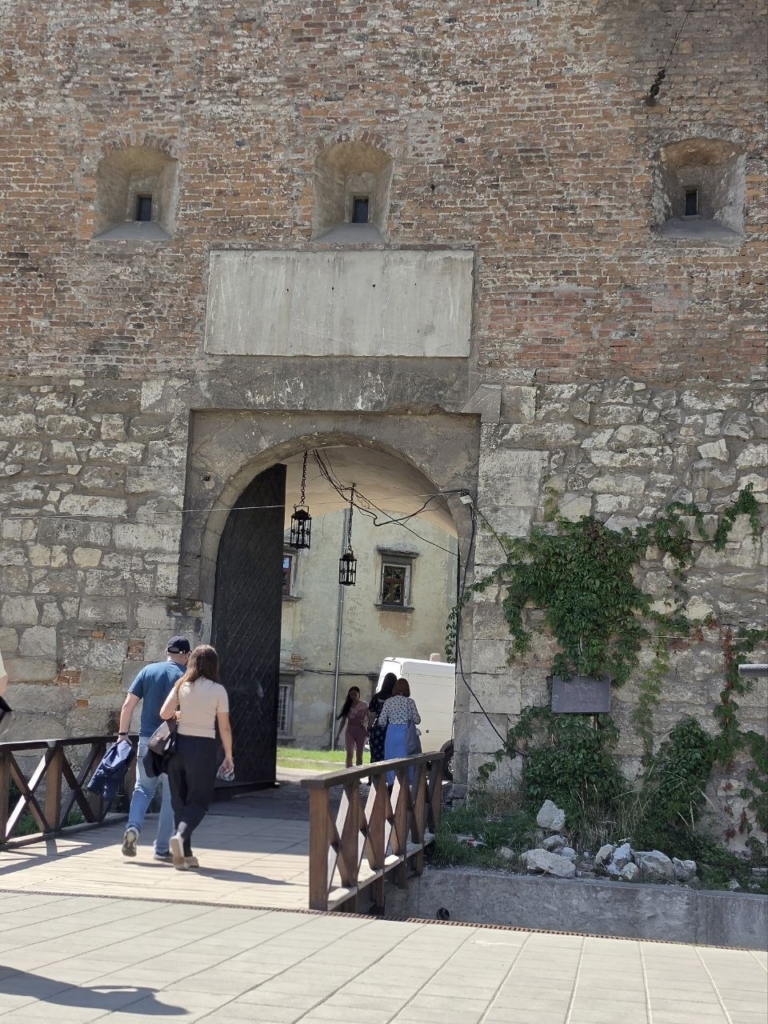
The monastery had its own fortifications. Their best-known part is the Hlyniany Gate, built in 1618: a square tower with an arched passage and a pyramid roof, with loopholes in the upper tier. After it was destroyed, the gate was rebuilt in 1706, and in 1976–1977 it was reconstructed under the architects Andrii Novakivskyi and Kostiantyn Prysiazhnyi.
The Hlyniany Gate of 1618.
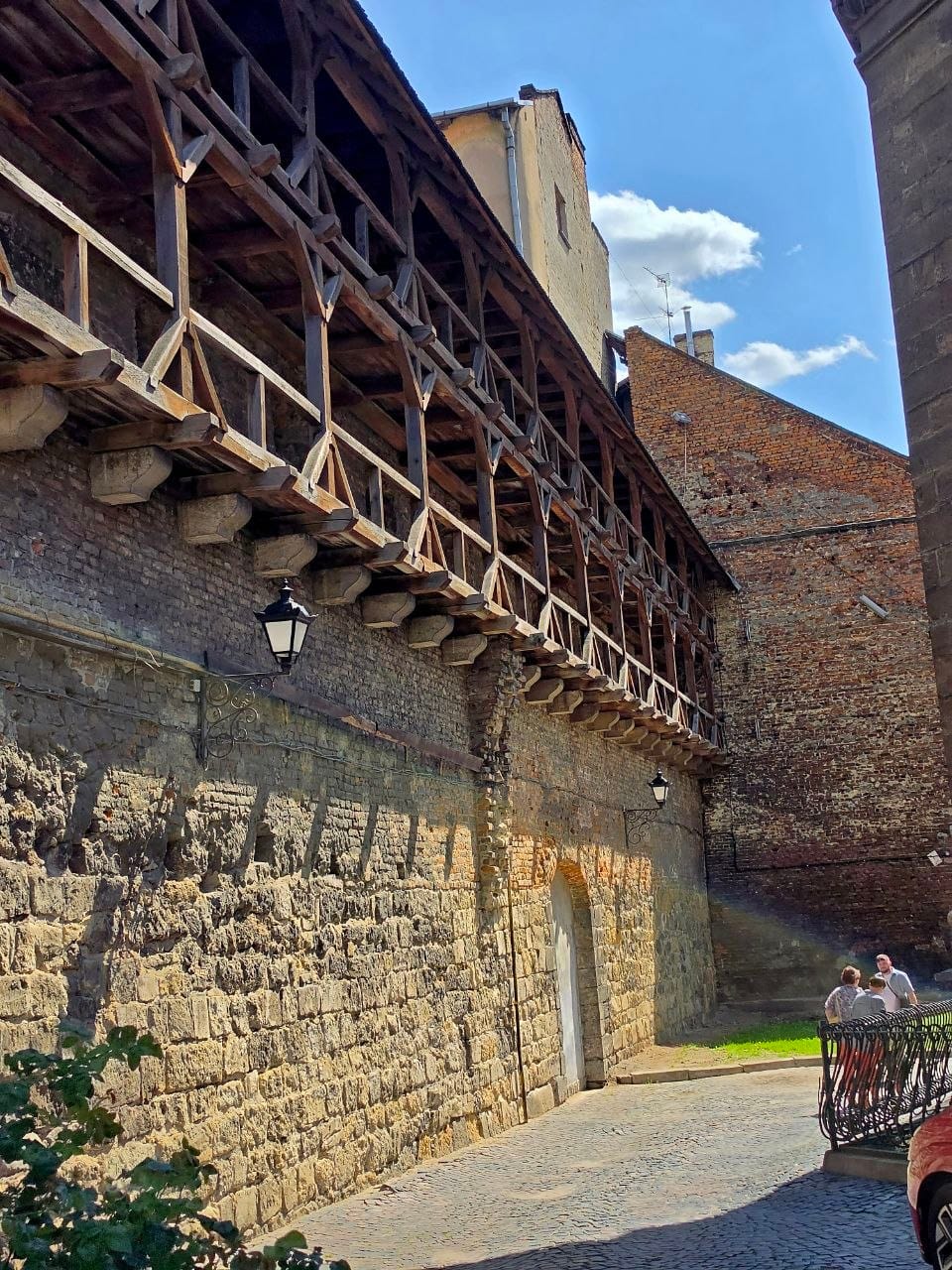
A wooden gallery survives along the walls. A walk around the complex via Valova and Pidvalna streets takes about 15 minutes.
The walls with their wooden gallery.The bell tower and walls from Valova Street.
How to visit
St Andrew’s is an active church, so visit outside services or keep quiet.
Dress modestly and follow the photo rules posted on site.
Check opening times on site, as the church schedule may change.
Allow about an hour for the church, the courtyard with the rotunda and a walk along the walls.
Lviv Opera House is one of the city's defining landmarks. Discover its history, architecture, interiors, the Parnassus curtain and practical visitor information. Read More
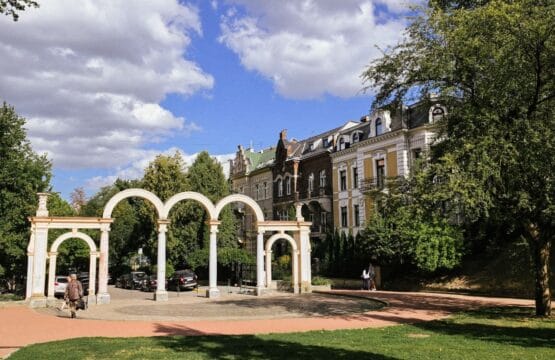
Stryiskyi Park in Lviv: History, Walking Route and Things to See
Znesinnia Regional Landscape Park covers 312 hectares of woods, hills and former quarries in Lviv’s Lychakiv district. Mount Leva and Khomets, the... Read More

 Author: Leo Apartment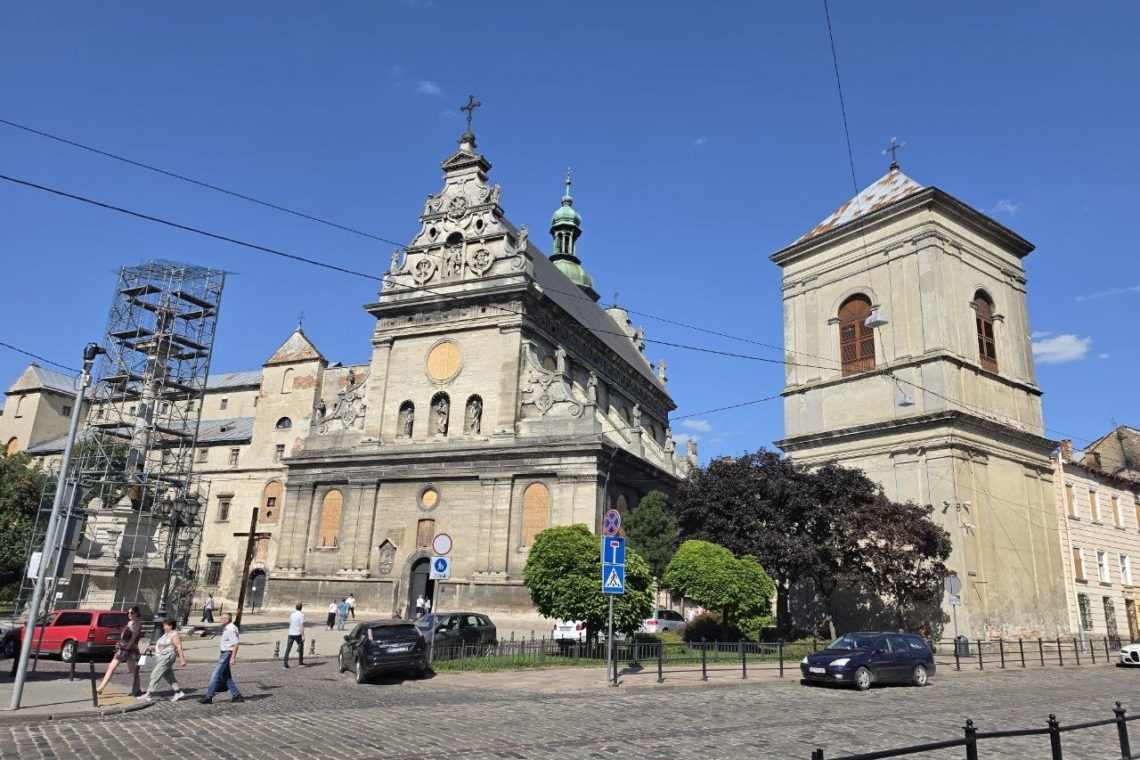




Join The Discussion