
Armenian Quarter in Lviv: Cathedral, Virmenska Street and What to See
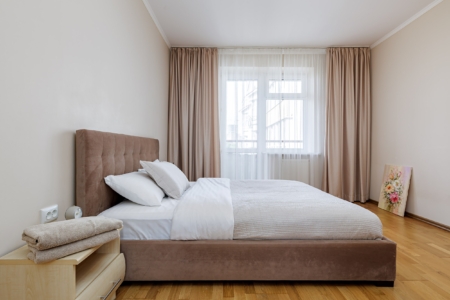
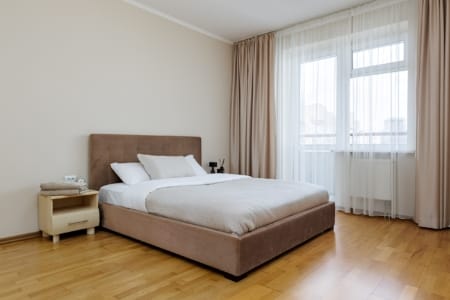
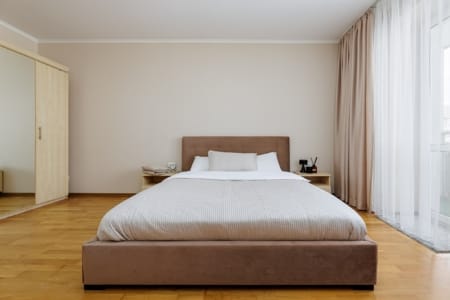
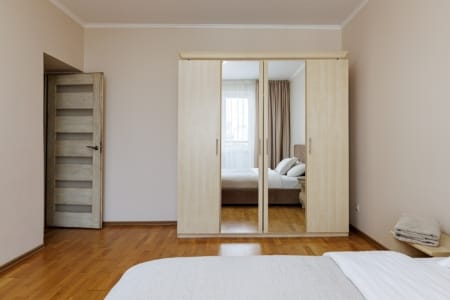
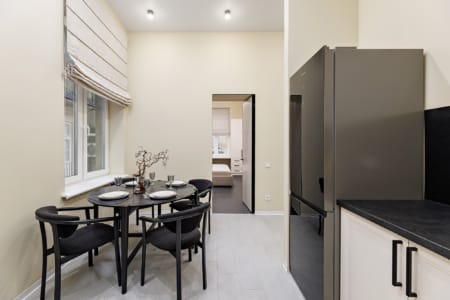
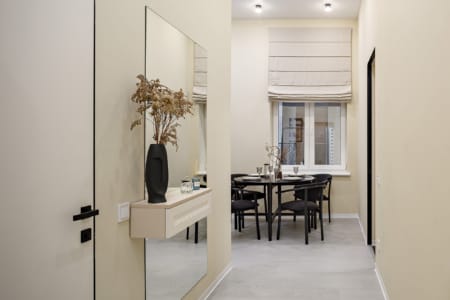
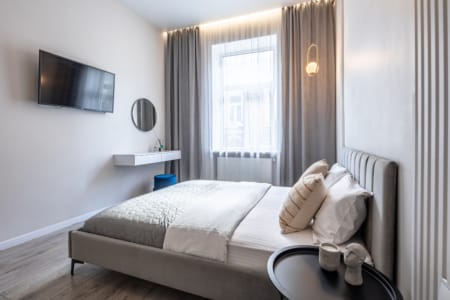
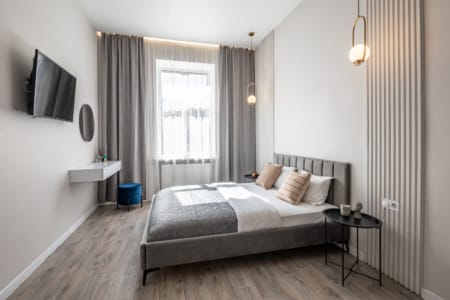
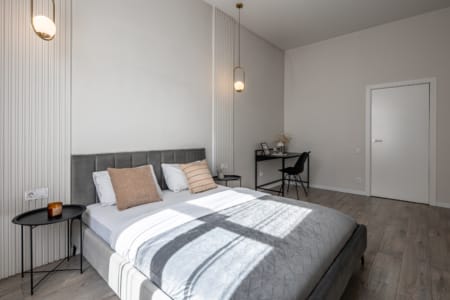
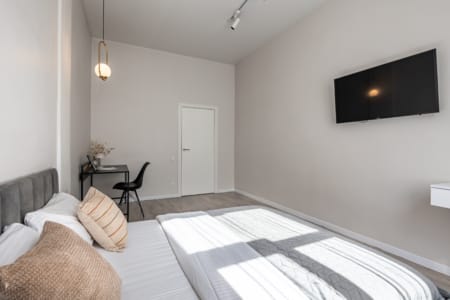
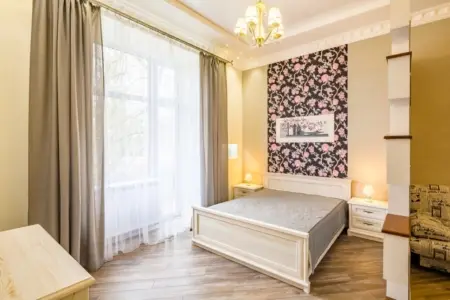
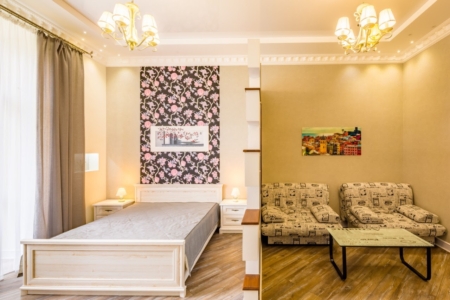
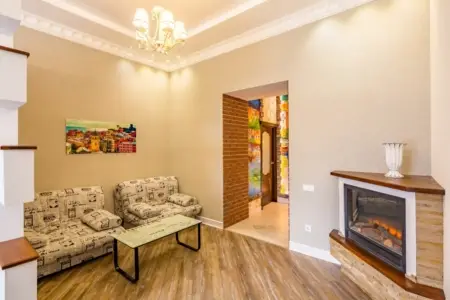
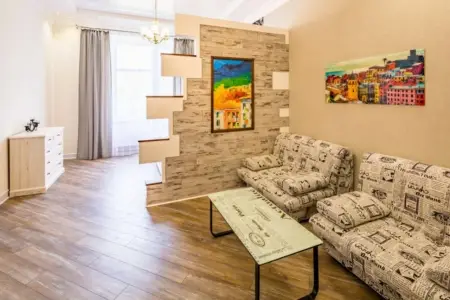
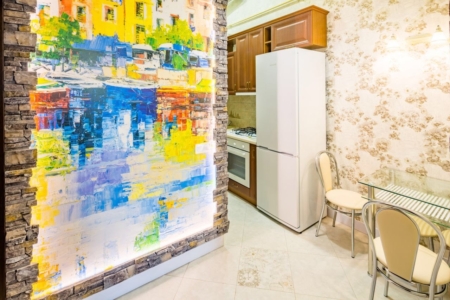
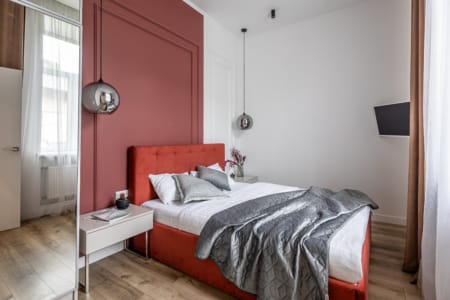
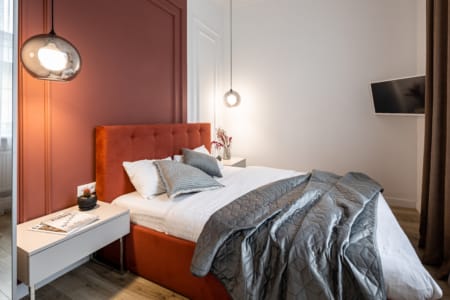
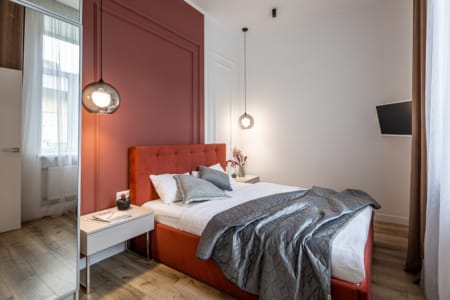
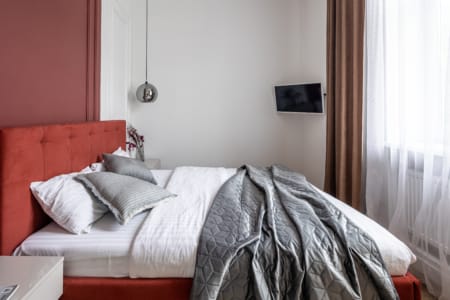
 Leo Apartment
The Armenian Quarter in Lviv is a historic part of the Old Town north of Market Square, where the Armenian community has lived since the Middle Ages. Its heart is Virmenska Street and the ensemble of the Armenian Cathedral, one of the oldest churches in Lviv. Expect a cobbled street, town houses from several eras, quiet courtyards with old tombstones and a cathedral built in 1363–1370.
Where is the Armenian Quarter?
The quarter lies in the historic centre of Lviv, a few minutes’ walk from Market Square. Its main street, Virmenska, is about 450 metres long: it starts at Svobody Avenue and ends by the walls of the former Dominican monastery. The Armenian Cathedral ensemble is at 7 Virmenska Street.
History: how Armenians came to Lviv
Armenian merchants and craftsmen moved to Lviv from Crimea in the second half of the 13th century. By the turn of the 14th century the city already had separate quarters for different communities, including an Armenian one. A privilege of 1356 allowed the Armenians to elect their own reeve and to be judged under Armenian law. The community had its own schools, hospital and library, and its merchants traded with the East.
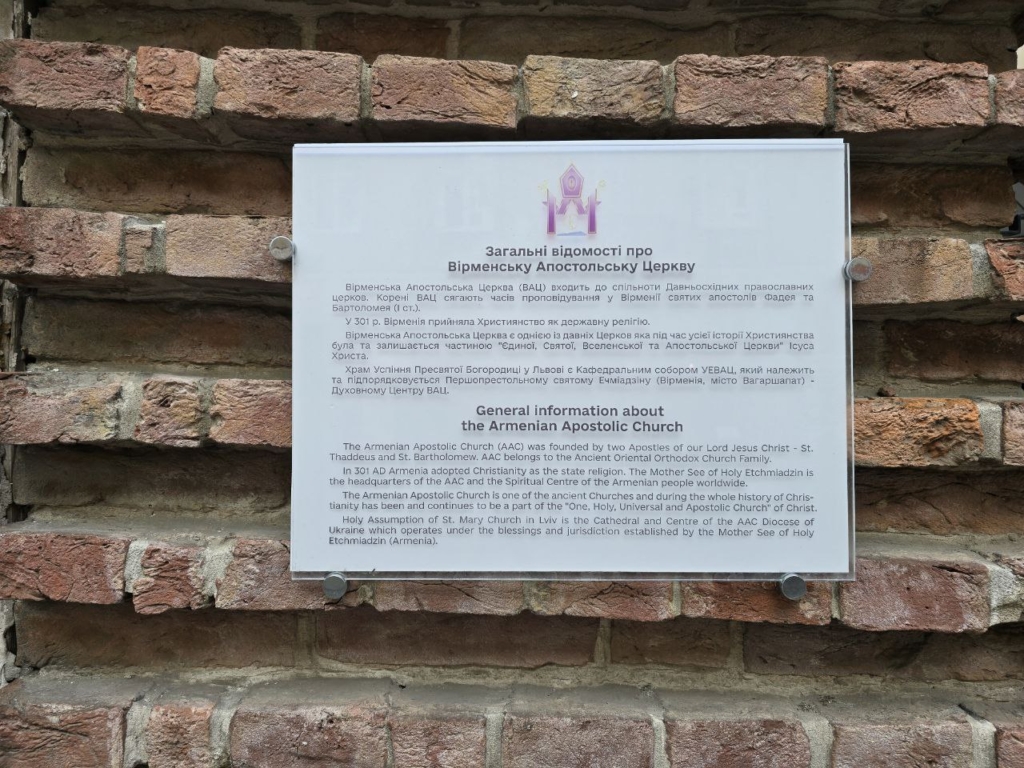
In the 14th century the Armenian Cathedral became the seat of an Armenian bishop. From 1630, after the union concluded by Bishop Mykola Torosovych, the cathedral belonged to the Armenian Catholic Church and remained its cathedral until 1945. The Soviet authorities closed the church and used it to store museum collections. In 2000 it was returned to the Armenian Apostolic Church, and in 2003 it was consecrated by Karekin II, Catholicos of All Armenians.
Armenian Cathedral of the Assumption of Mary
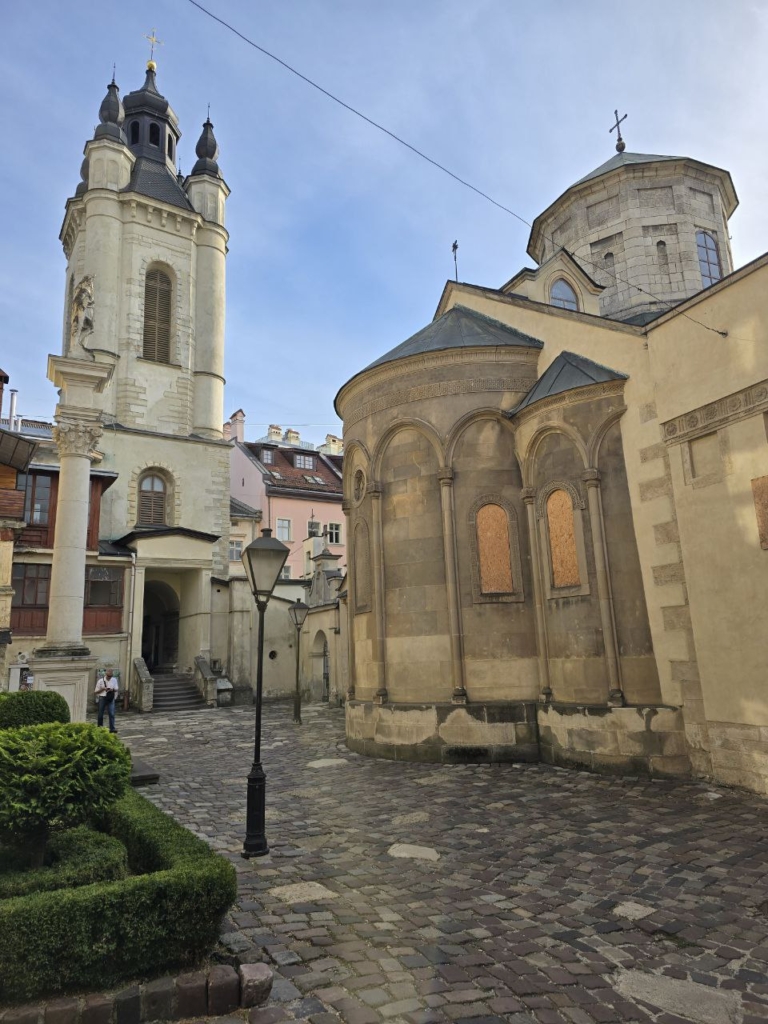
The cathedral was built by master Doring in 1363–1370 with money from Armenian merchants, including Jakub of Caffa. Its architecture combines Armenian traditions with Byzantine and Gothic features, crowned by an octagonal drum and dome. In 1437 the cathedral was surrounded by an arcaded gallery, and in 1630 a western part was added.
The present interior dates from the restoration of 1908–1927. The walls were painted by Jan Henryk Rosen, whose works include “The Last Supper”, “The Crucifixion” and “The Funeral of St Odilo”. The mosaics in the dome are by Józef Mehoffer.
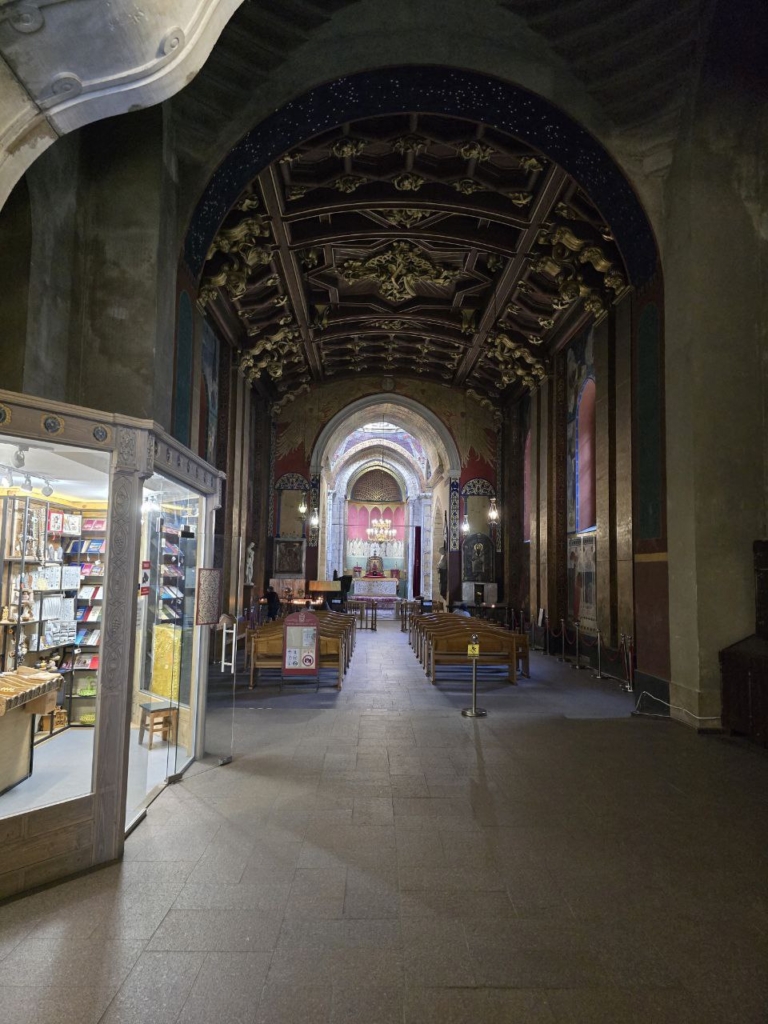
Today it is the cathedral of the Ukrainian Diocese of the Armenian Apostolic Church. Services are held here, and visitors can go inside.
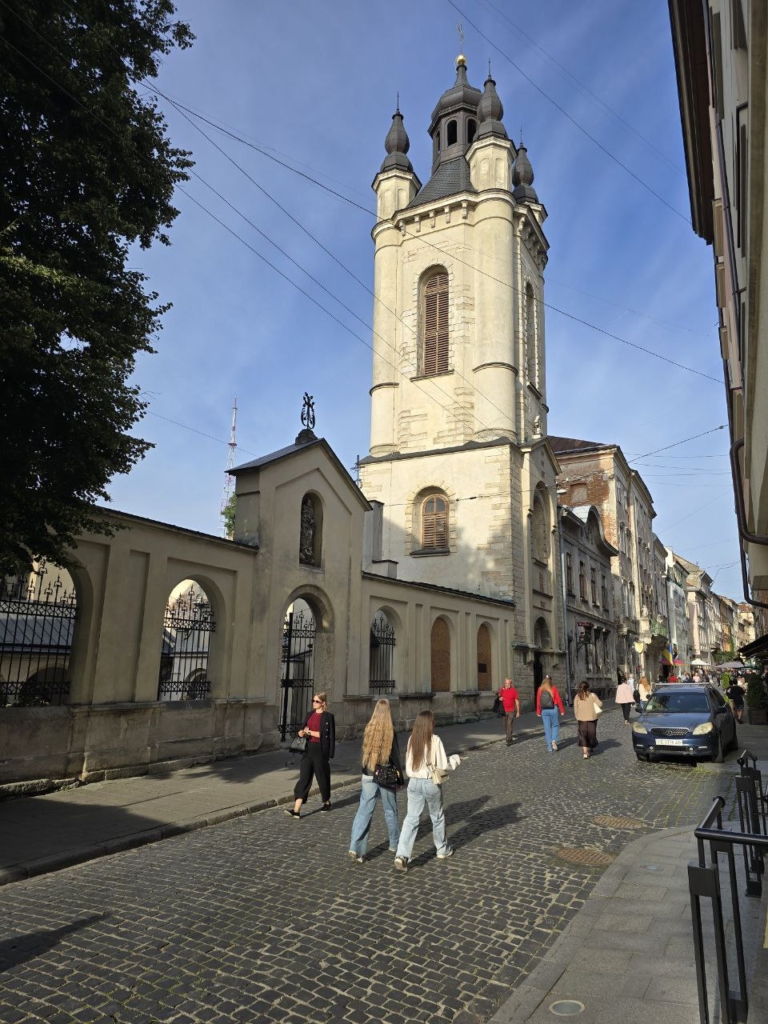
Bell tower and St Christopher’s column
The cathedral bell tower was built by Petro Krasovskyi in 1570–1571. It rises above Virmenska Street and can be seen from afar.
In the cathedral courtyard stands the column of St Christopher, erected in 1726. St Christopher is honoured as the patron of travellers, and the column is a popular photo spot.
Courtyards and old tombstones
The cathedral ensemble is arranged around three courtyards. Besides the church and the bell tower, it includes the palace of the Armenian archbishops, the Armenian Bank building, the convent of Armenian Benedictine nuns (built in 1682), St Christopher’s column and the Golgotha altar. The courtyards are paved with stone slabs, and old tombstones with Armenian inscriptions are set into the floor and walls.
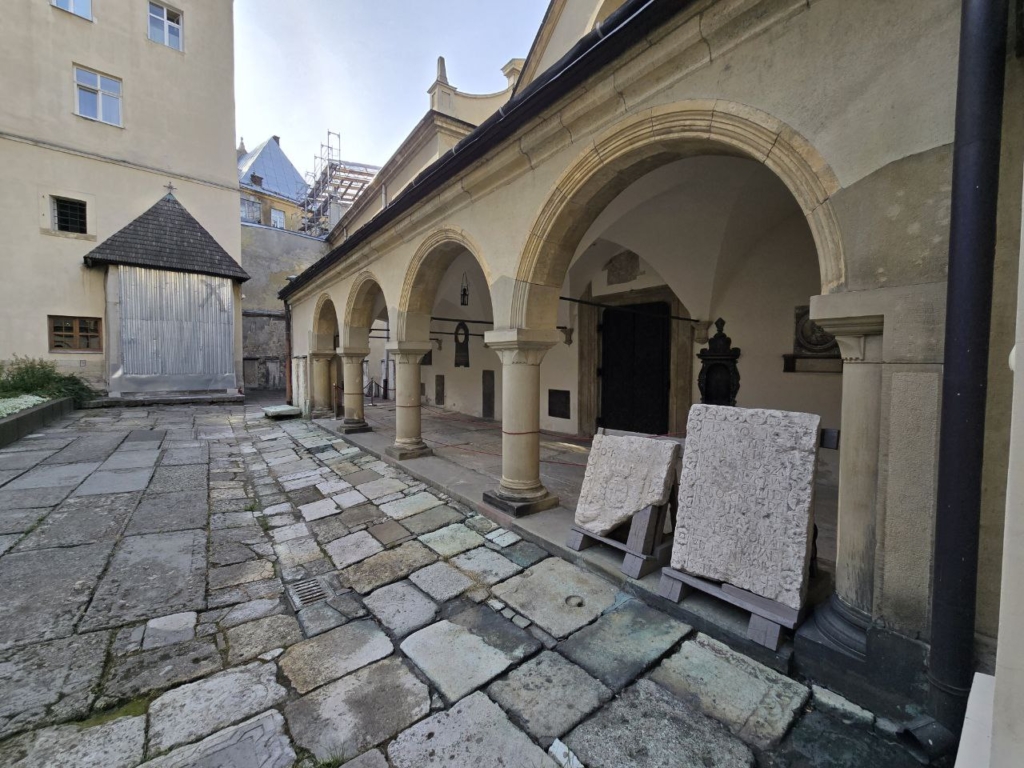
The courtyards stay quiet even when the neighbouring streets are crowded. Please behave with respect: this is an active church.
Virmenska Street
In the Middle Ages Virmenska was the main street of the quarter, and it has officially carried this name since 1871. Most of its buildings are listed architectural monuments in Renaissance, Baroque and Classicist styles. The Muratovych House (No. 13) was home to Hovhannes Karmatanents, the first Armenian printer in Lviv. The “Four Seasons” house (No. 23) is decorated with reliefs by sculptor Havrylo Krasutskyi: a zodiac frieze and scenes of country life in the four seasons.
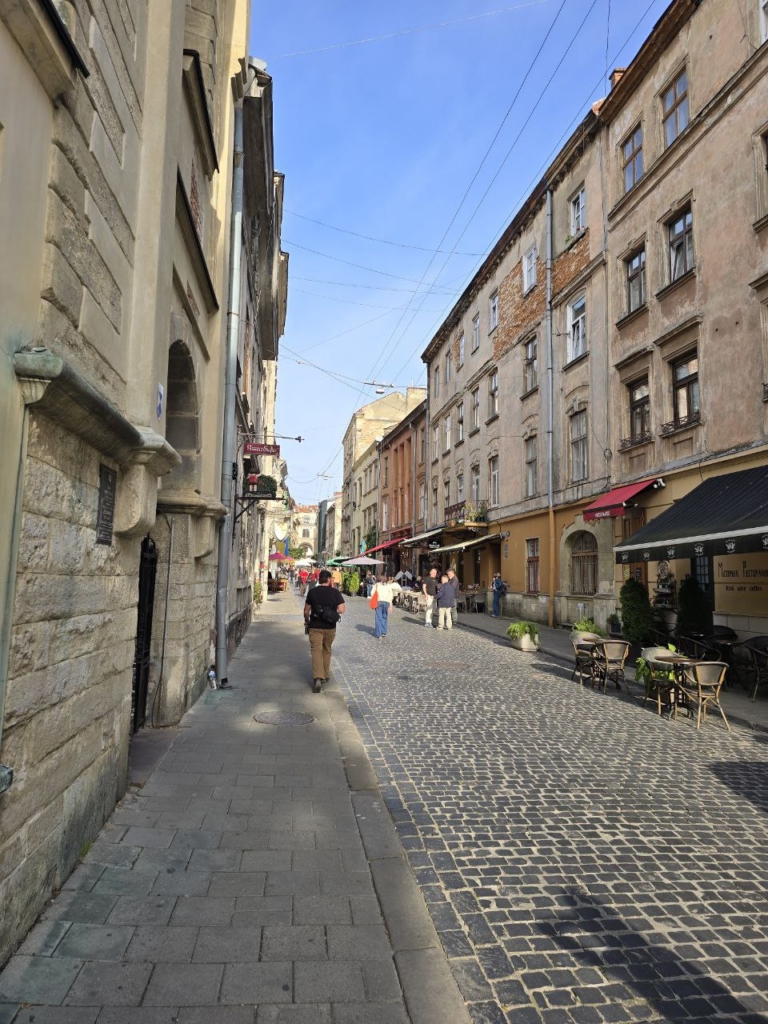
Today the street is full of cafés, restaurants and small galleries. It is busy during the day, and in the evening, when the lanterns come on, the quarter becomes calmer.
How to get there and how much time to plan
- From Market Square: a few minutes on foot, so the quarter fits easily into a walk around the centre.
- Time: allow 1–2 hours for the cathedral, the courtyards and the street.
- Opening times: the cathedral is an active church, so check visiting and service times on site.
What to see nearby
Virmenska Street leads to the Dominican Cathedral. On neighbouring Krakivska Street stands the Transfiguration Church, and at the far end of Svobody Avenue is the Lviv Opera House.
Where to stay nearby
Several of our apartments are a few minutes’ walk from the Armenian Quarter:
- apartment on Krakivska Street, close to the cathedral;
- two-room apartment and one-room apartment on Danyla Halytskoho Square, near Market Square;
- apartment on Svobody Avenue, in the centre near the Opera House.
See all options in our apartments in Lviv.
Tips for your walk
- Wear comfortable shoes: the cobbles and courtyard slabs are uneven.
- Dress modestly in the cathedral and do not disturb services.
- Follow the rules posted on site about taking photos inside.
- Come in the morning to see the courtyards without crowds, and return in the evening for coffee.
- Combine the walk with Market Square and the Dominican Cathedral, as everything is close by.
Frequently asked questions about the Armenian Quarter
Where is the Armenian Quarter in Lviv?
In the Old Town, north of Market Square. The main street is Virmenska, and the cathedral is at 7 Virmenska Street.
When was the Armenian Cathedral built?
In 1363–1370. It is one of the oldest churches in Lviv.
Can you go inside the Armenian Cathedral?
Yes, it is an active church open to visitors. Keep quiet during services and check the schedule on site.
Who painted the Armenian Cathedral?
The murals are by Jan Henryk Rosen, made during the restoration of 1908–1927; the dome mosaics are by Józef Mehoffer.
How much time do you need for the Armenian Quarter?
1–2 hours for the cathedral, the courtyards and Virmenska Street.





Join the discussion