
Heavenly Hundred Heroes Memorial in Lviv: History and Symbols
 Leo Apartment
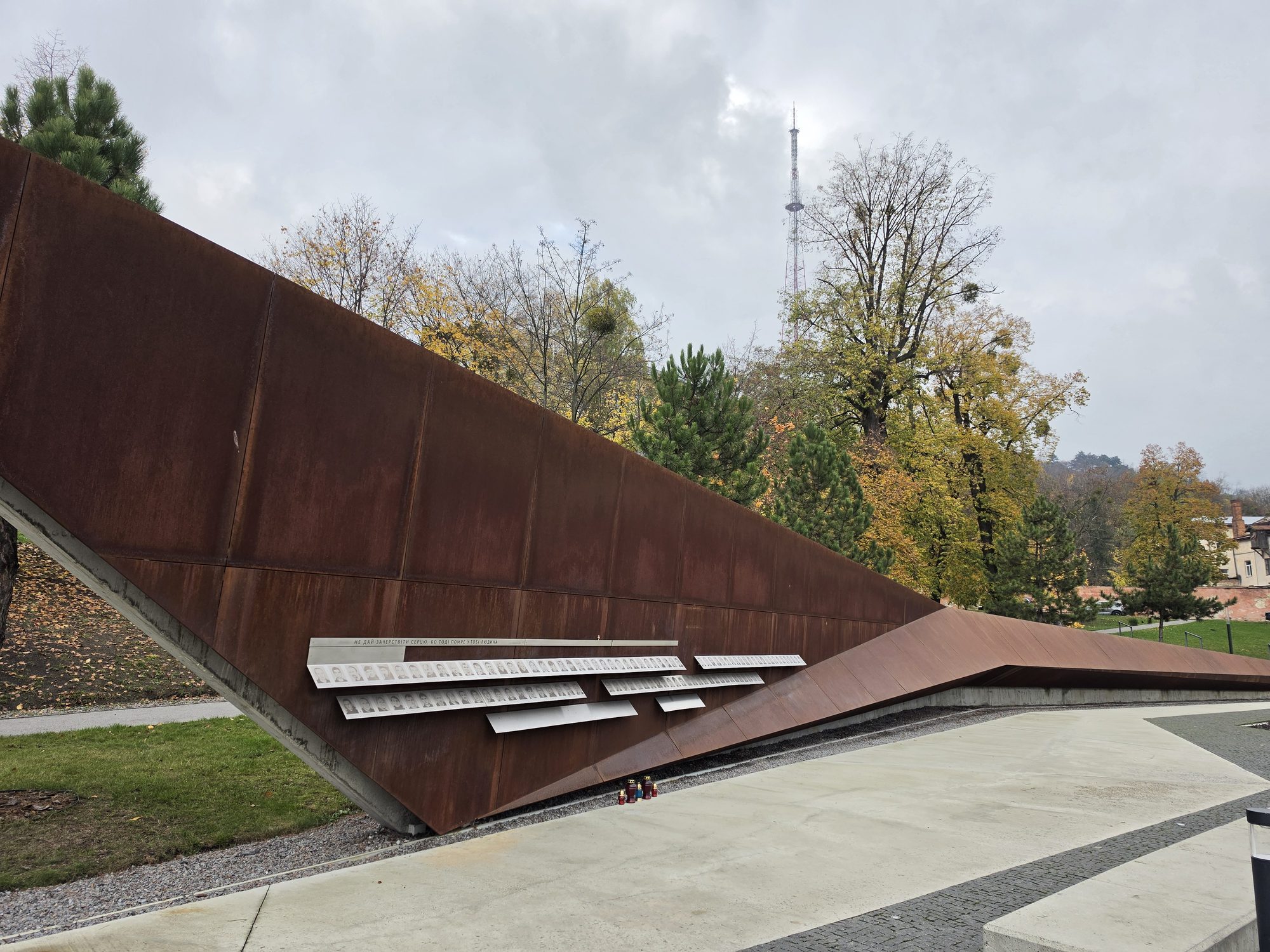
The Heavenly Hundred Heroes Memorial in Lviv honours the participants of the Revolution of Dignity who were killed in the winter of 2013–2014. The modern memorial space was created on a slope between Kryvonosa and Zamkova streets, next to the entrance to High Castle Park.
It is not a classic monument but a minimalist public space with viewing terraces, a stele and symbols worth looking at closely. Here is what its elements mean and how to visit.
Where Is the Memorial
The memorial is in a small square at the corner of Kryvonosa and Zamkova streets, next to the main entrance to High Castle Park. It is a 15–20 minute walk from Rynok Square.
How It Was Created
The memorial was designed by a team of Lviv architects led by Andriy Lesiuk, Mariia Yastrubchak and Khrystyna Pundak. The first stage was completed and opened to visitors in August 2019.
The project later won the National Landscape Architecture Award in the “Squares and Boulevards” category, and the space has become one of the best-known examples of contemporary memorial design in Ukraine.
What to See
- The Corten steel stele. The rust-brown metal stele on the upper terrace is the memorial’s main element.
- Portraits of the Heroes. Portraits of those killed in the Revolution of Dignity, engraved in stainless steel.
- Five slabs. According to the designers, they symbolise the five days when the most people were killed.
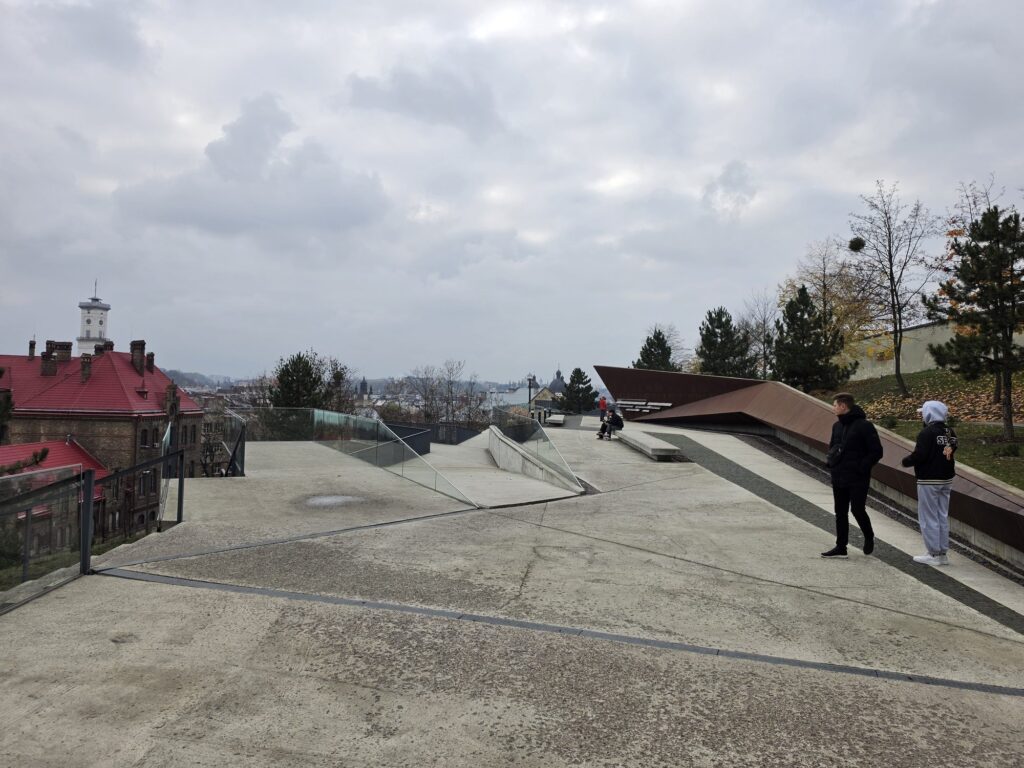
- Viewing terraces. The terraces look out over the city, and cobbled paths and glass railings connect the memorial with the slopes of the High Castle.
How to Visit
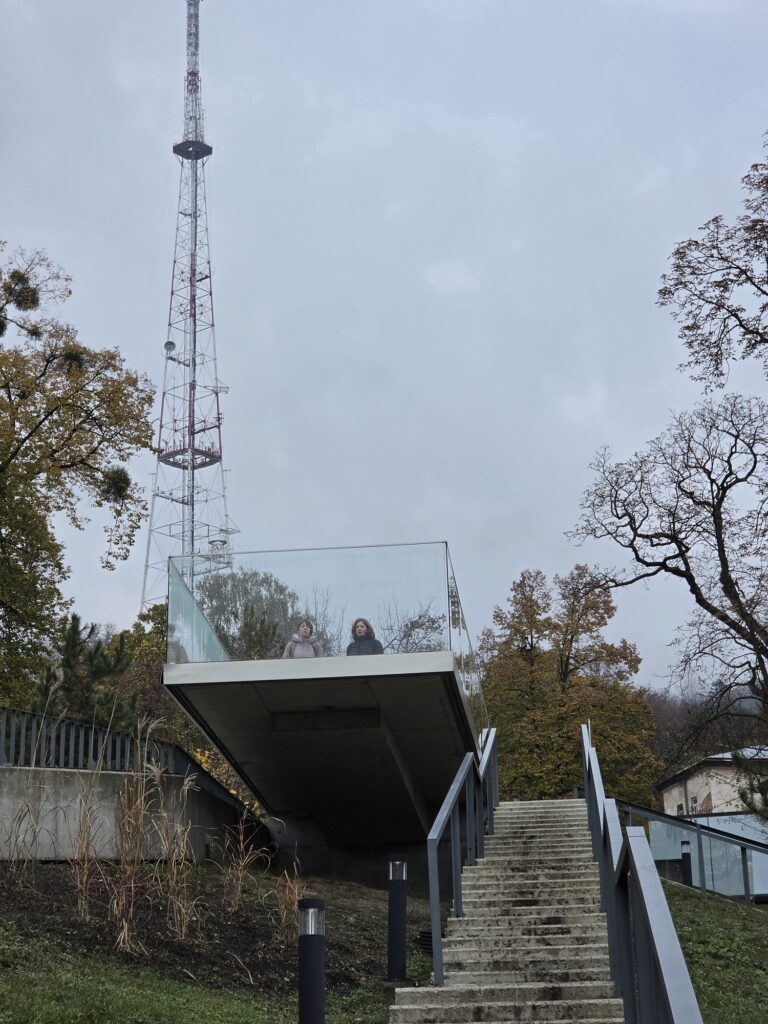
The memorial is open to visitors and free to enter. People come here to lay flowers, especially on 20 February, the Day of the Heavenly Hundred Heroes. Please be respectful: this is a place of remembrance.
Tips
- Combine it with the High Castle. The memorial is right by the park entrance, so it is easy to visit on your way to the top.
- The best light. The Corten steel looks most striking at sunset.
- Respect the place. Do not sit on the stele or stage playful photo shoots here.
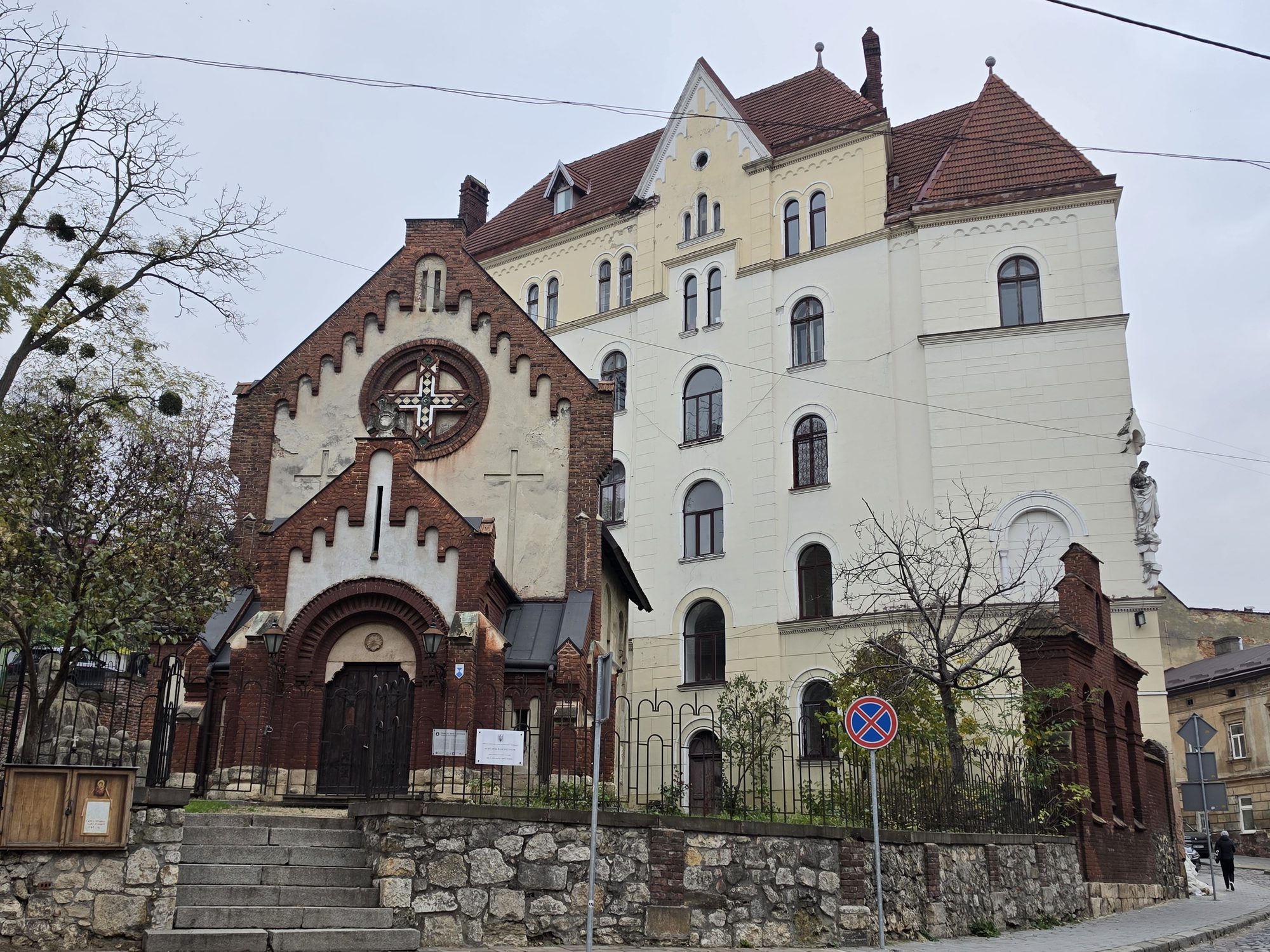
From the memorial, paths lead up to High Castle Park and its viewpoint, while below, in Pidzamche, stands the Church of St. John the Baptist.
Where to Stay Nearby
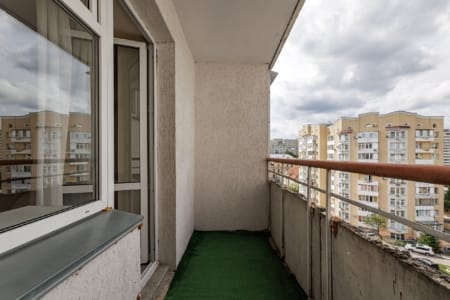
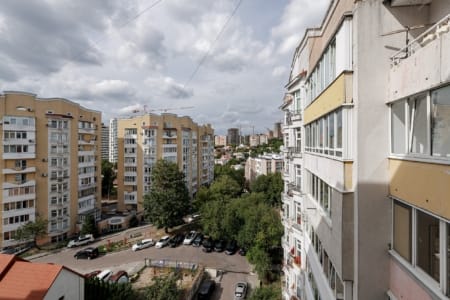
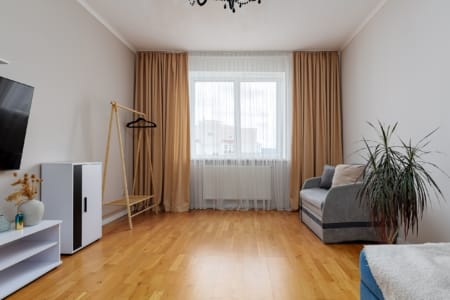
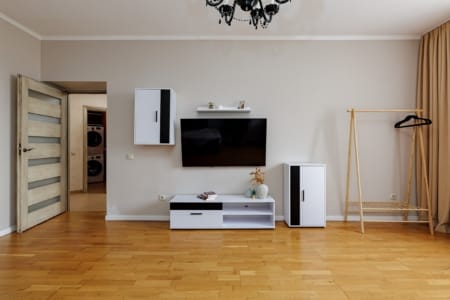
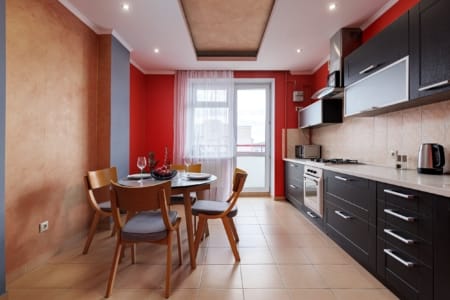
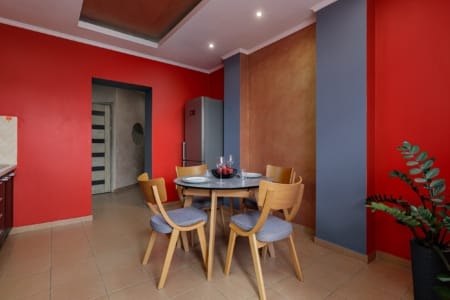
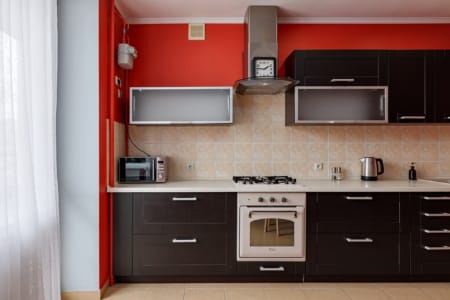
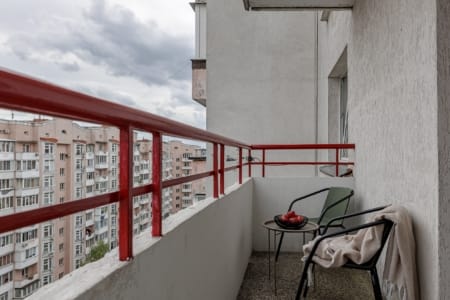
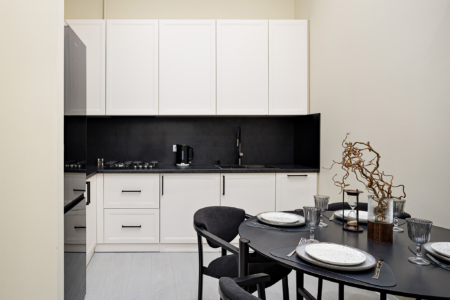
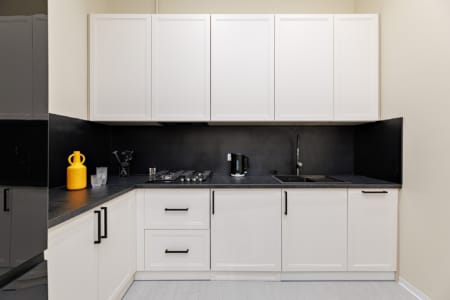
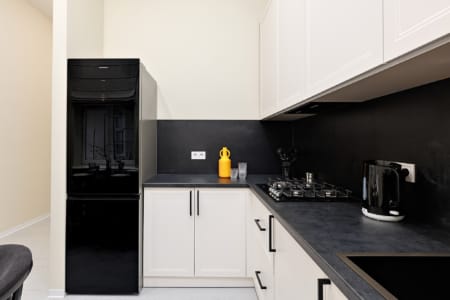
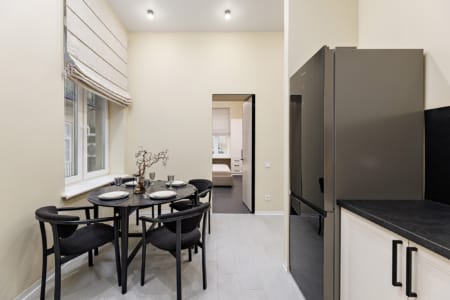
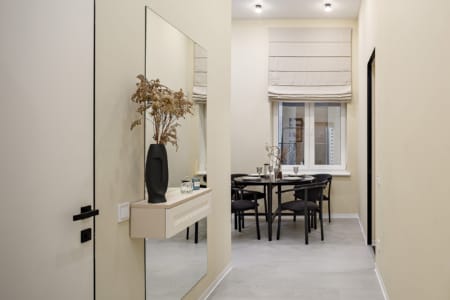
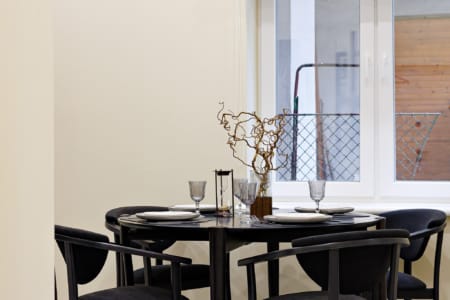
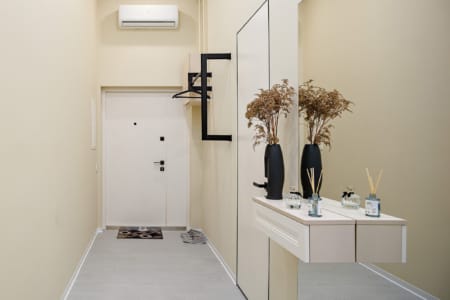
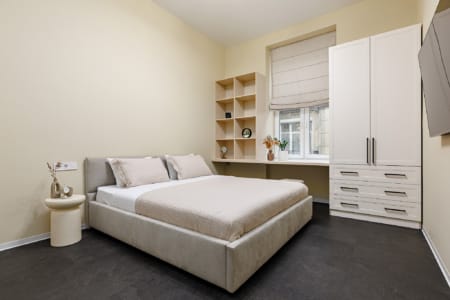
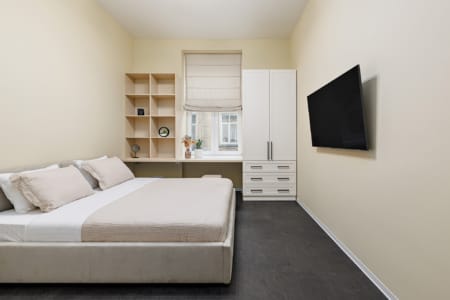
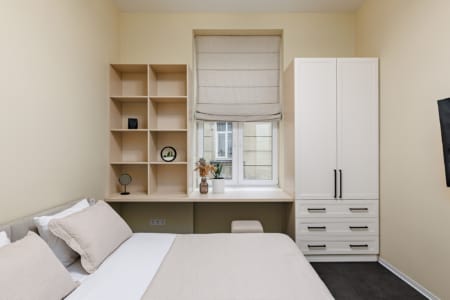
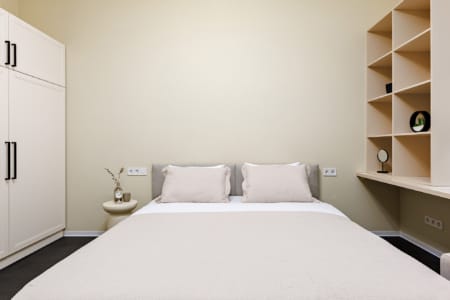
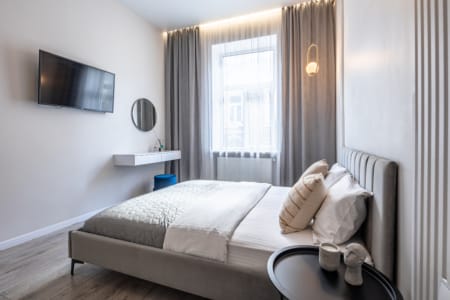
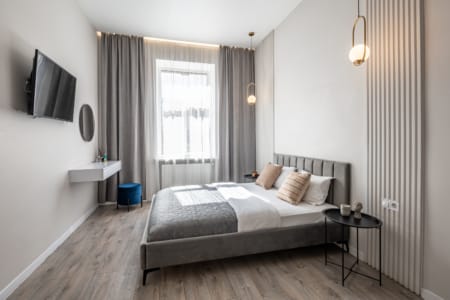
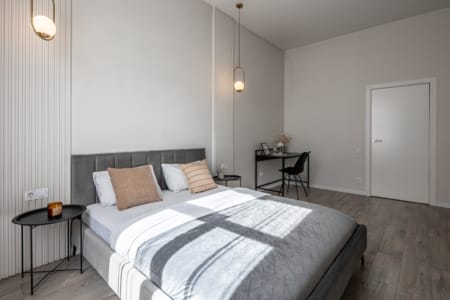
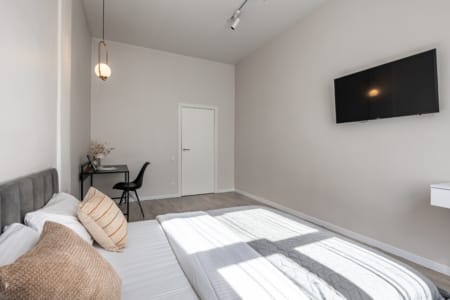
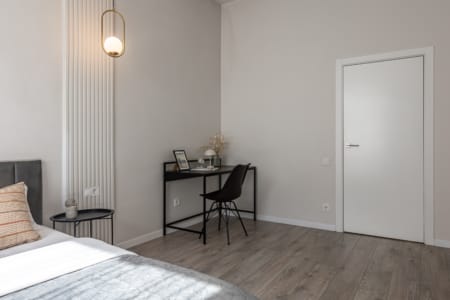
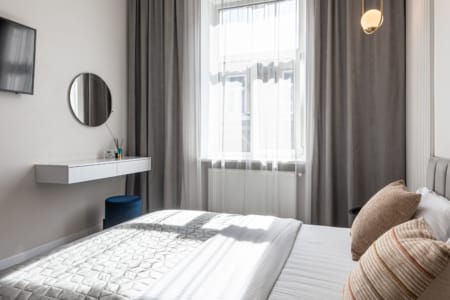
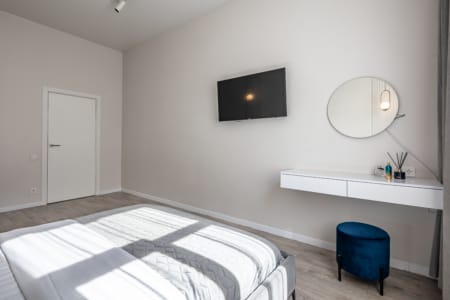
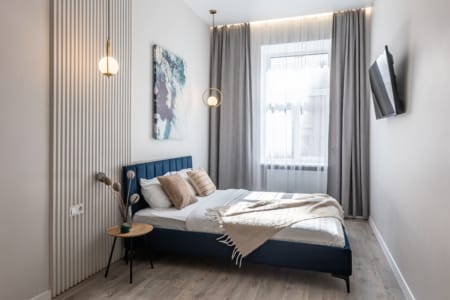
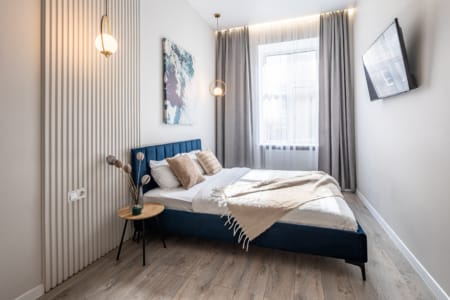
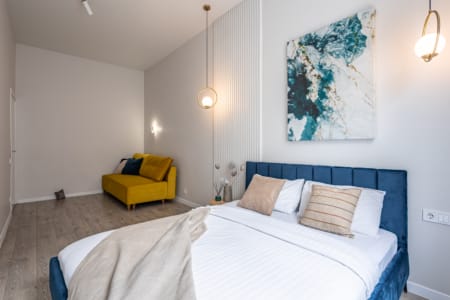
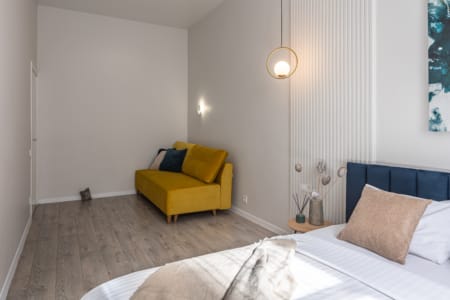
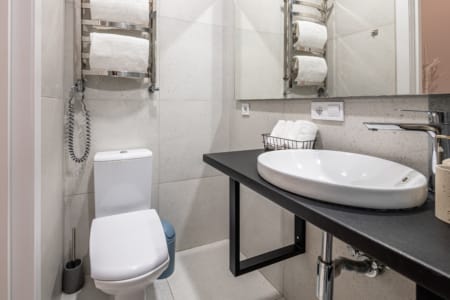
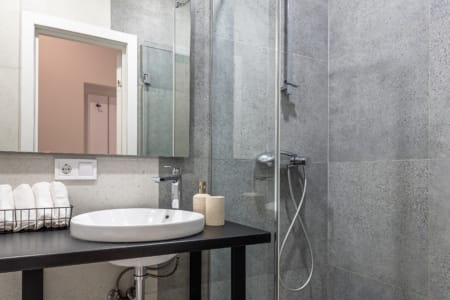
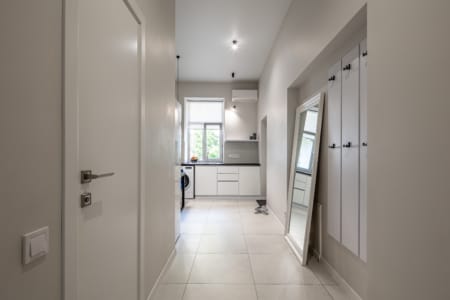
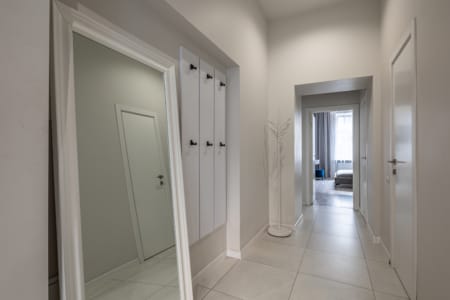
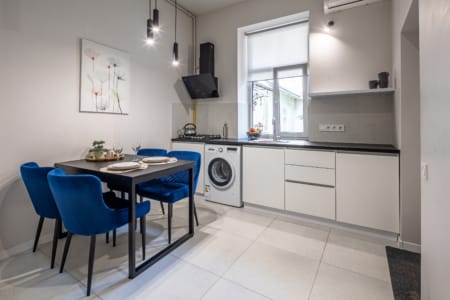
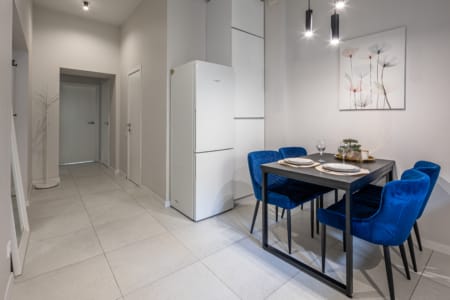
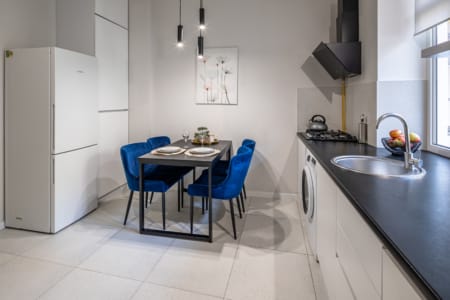
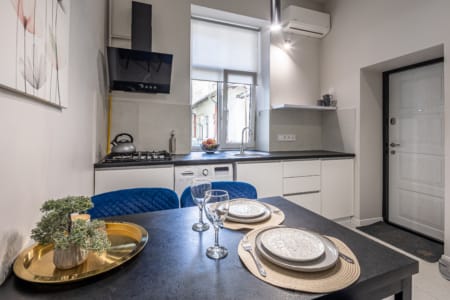
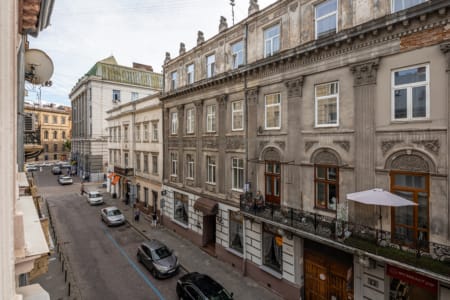
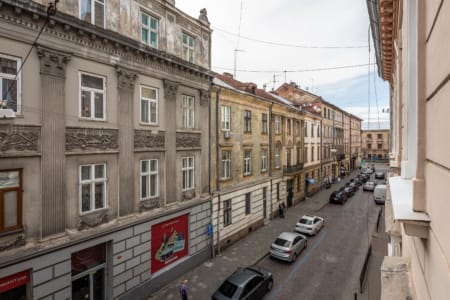
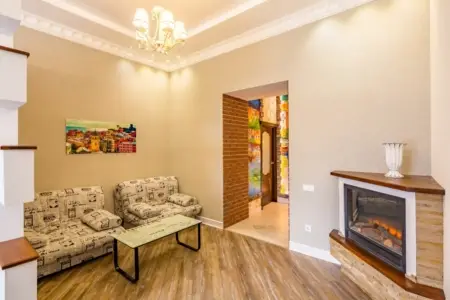
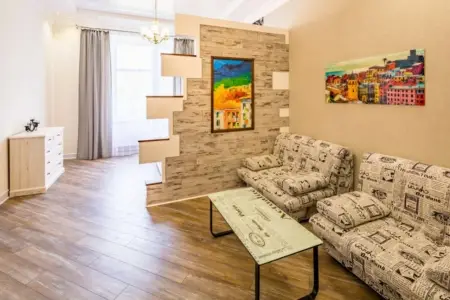
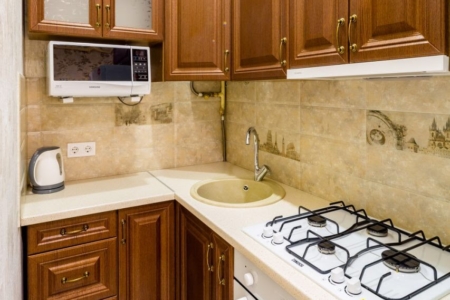
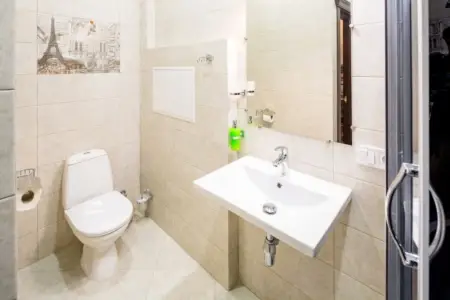
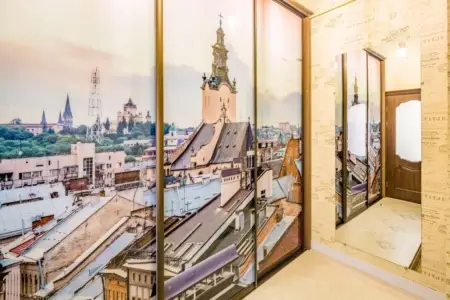
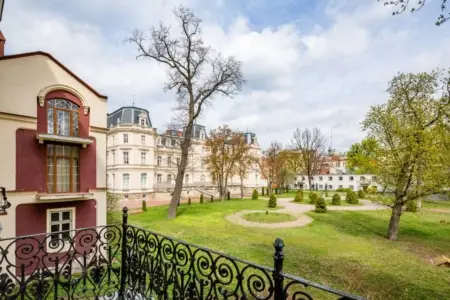
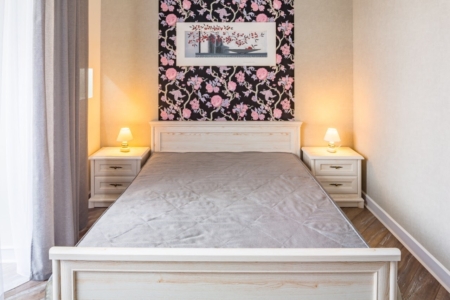
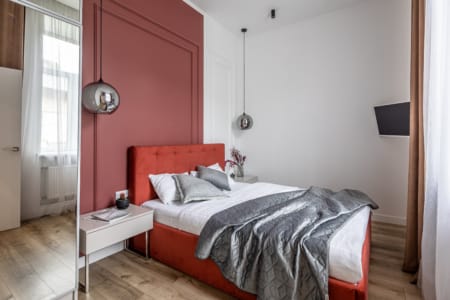
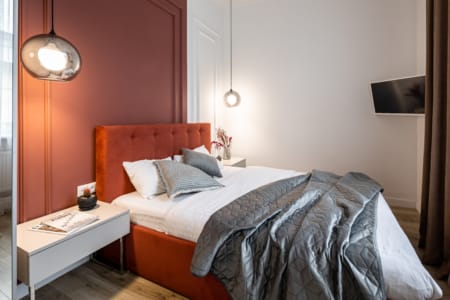
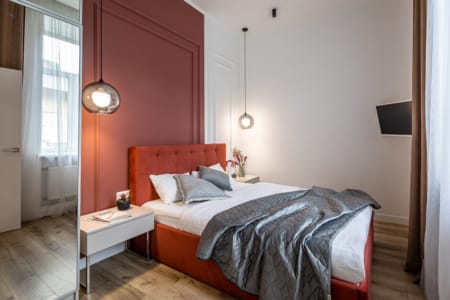
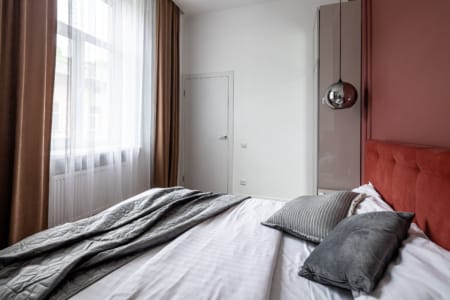
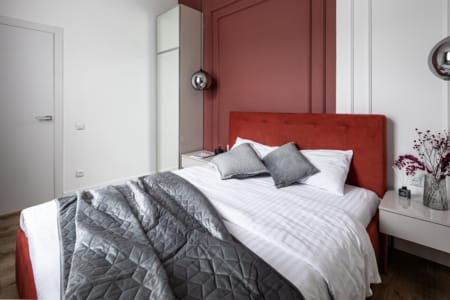
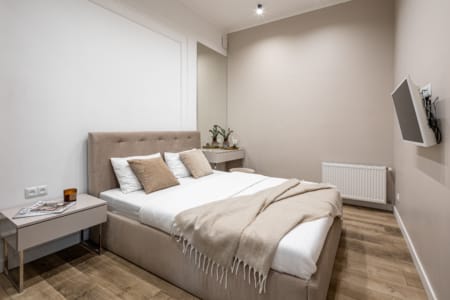
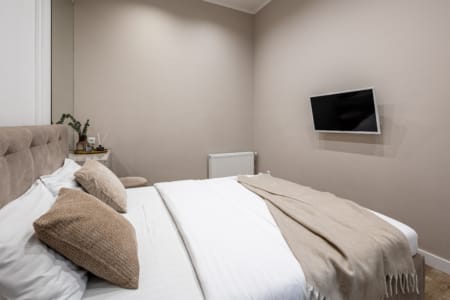
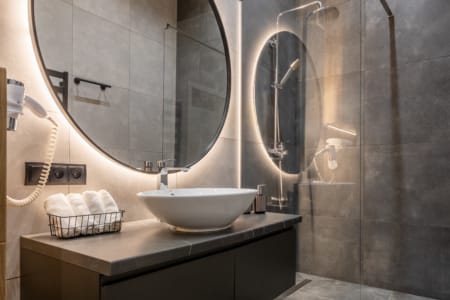
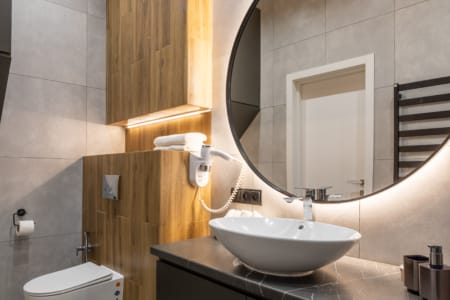
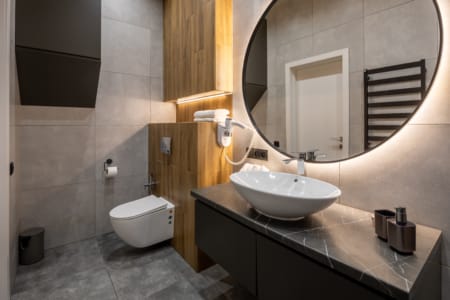
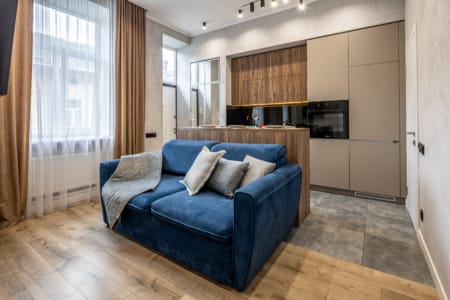
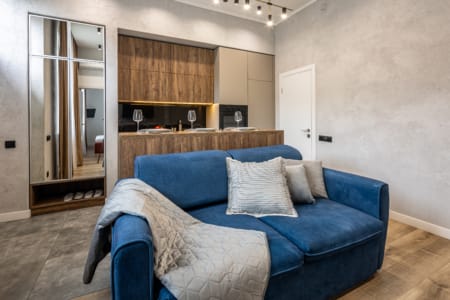
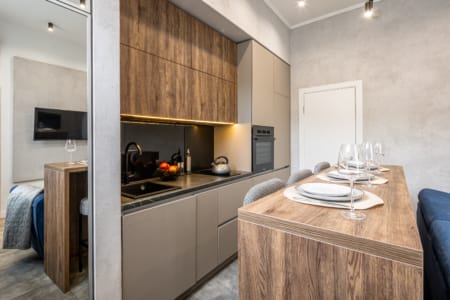
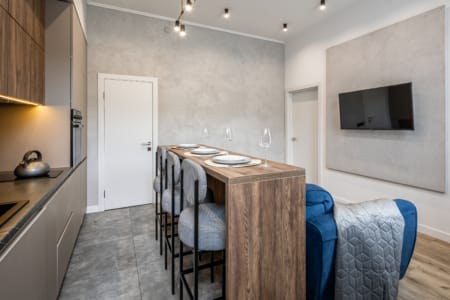
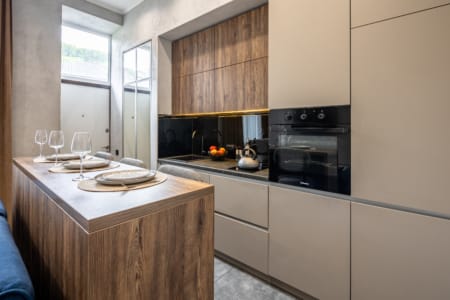
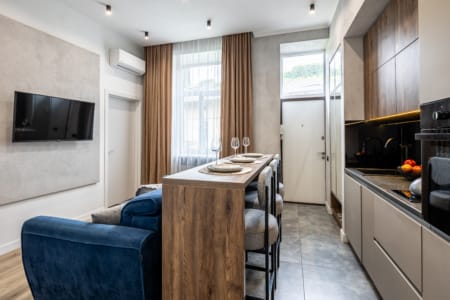
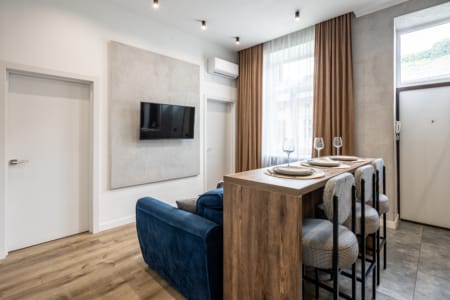
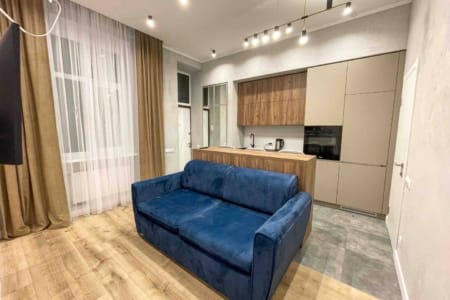
You can see the High Castle from the windows of our apartment on Pluhova Street. It is in the north of Lviv, about an hour’s walk from Rynok Square and the High Castle, so a taxi is the easier option.
See more options in our apartments for rent in Lviv section.
Planning a trip? Book an apartment in Lviv directly, with no intermediaries or commission, and make time in your itinerary for places of remembrance.
Nearest Leo Apartment flats
- One-Bedroom Apartment on Danyla Halytskoho Squareup to 4 guests · from 1850 UAH / night350 m · 5 min
- Cozy One-Bedroom Apartment on Danyla Halytskoho Square for 2up to 2 guests · from 1900 UAH / night350 m · 5 min
- Two-Bedroom Apartment on Krakivska Streetup to 6 guests · from 2800 UAH / night470 m · 6 min
- One-Bedroom Apartment on Svobody Avenue with Opera House Viewup to 4 guests · from 2800 UAH / night780 m · 10 min
Times are walking routes; distant places show the straight-line distance.
FAQ about the Memorial
Where is the Heavenly Hundred Memorial in Lviv?
In the square at the corner of Kryvonosa and Zamkova streets, next to the main entrance to High Castle Park.
When did the memorial open?
The first stage opened in August 2019.
Who designed it?
A team of Lviv architects led by Andriy Lesiuk, Mariia Yastrubchak and Khrystyna Pundak.
Is there an entrance fee?
No, the memorial is open to everyone and free to visit.
What do the five slabs symbolise?
The five days of the Revolution of Dignity when the most people were killed.









































Join the discussion