
Lviv Citadel: History of the Fortress, Towers and Stalag 328
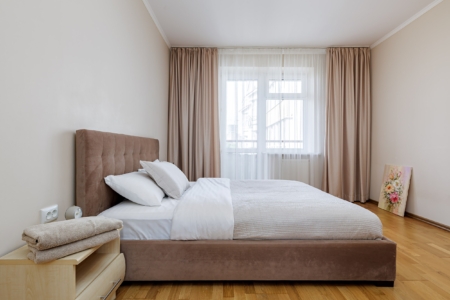
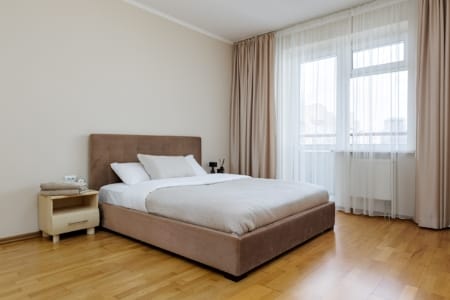
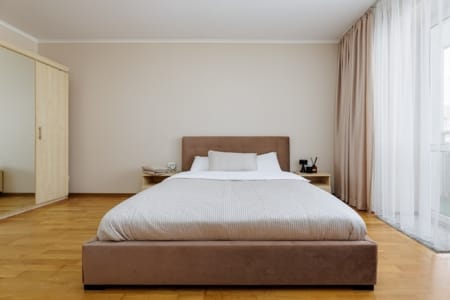
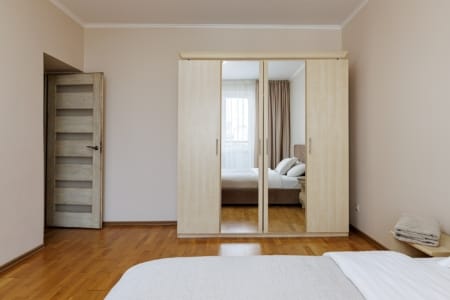
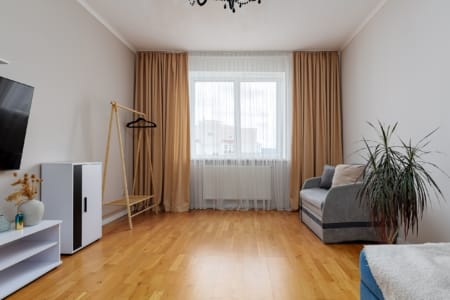
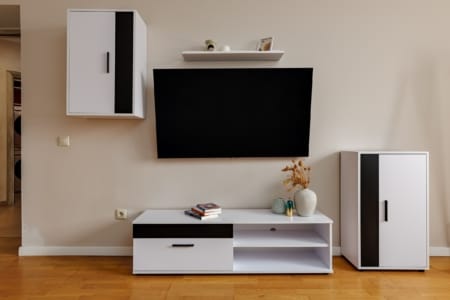
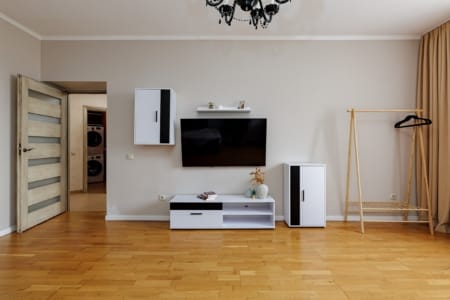
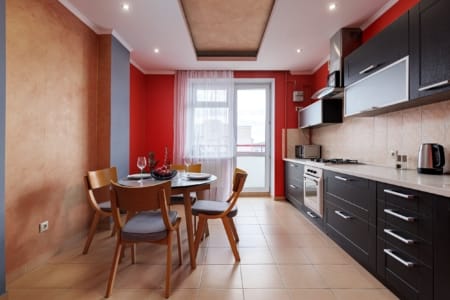
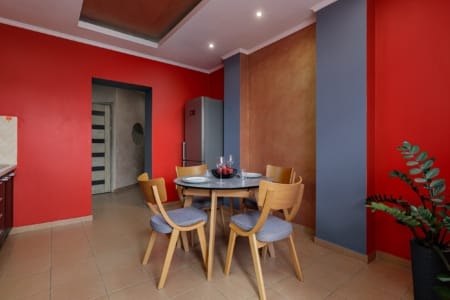
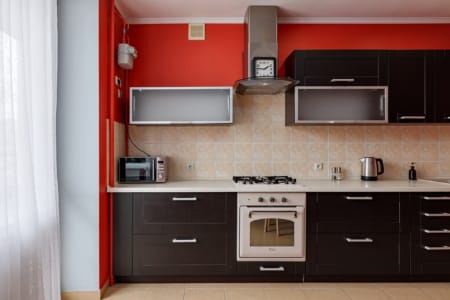
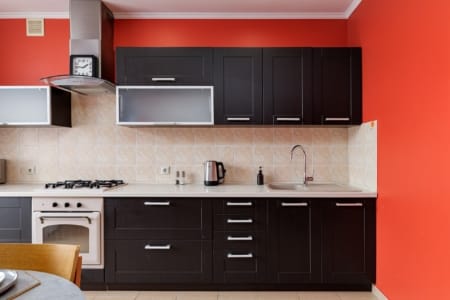
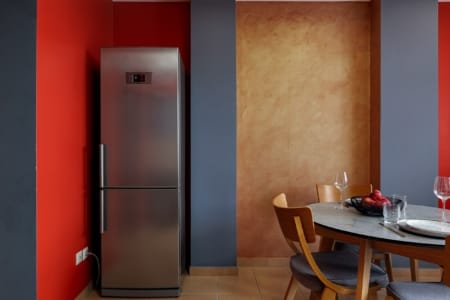
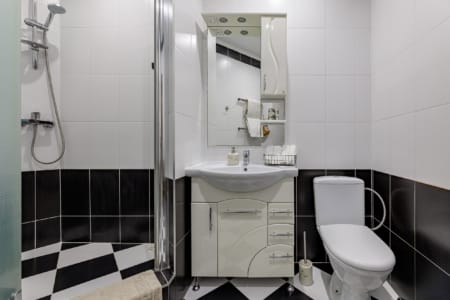
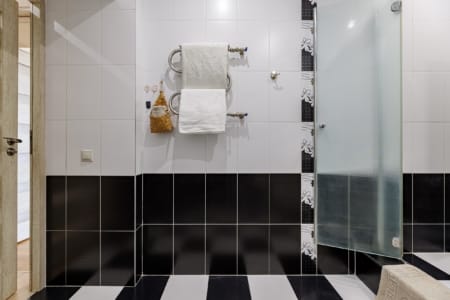
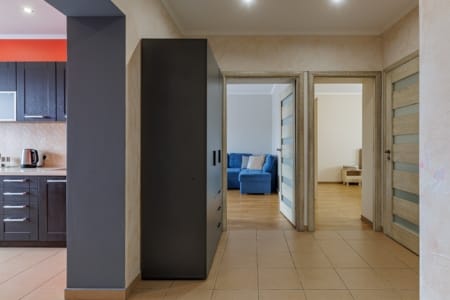
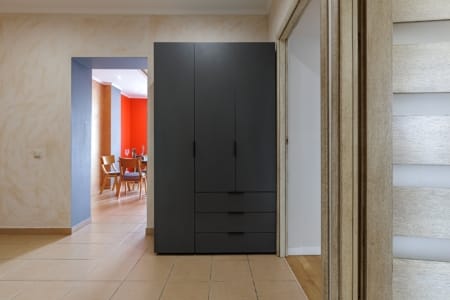
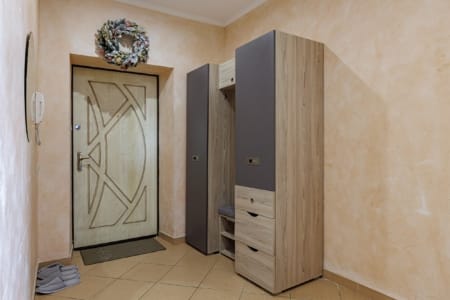
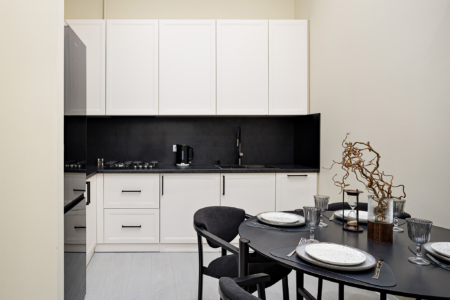
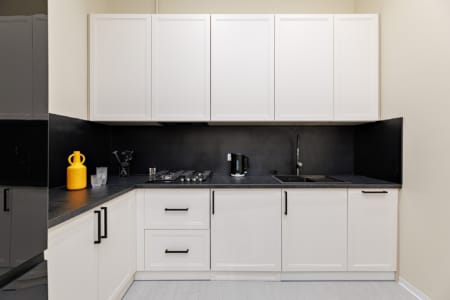
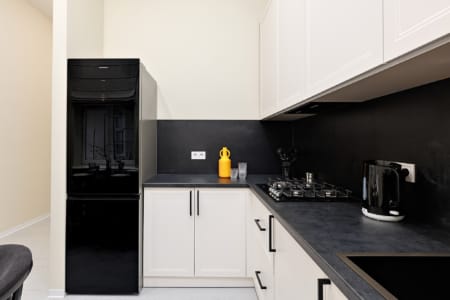
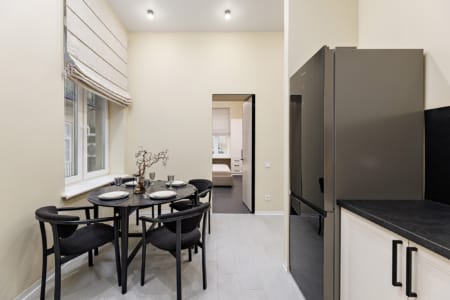
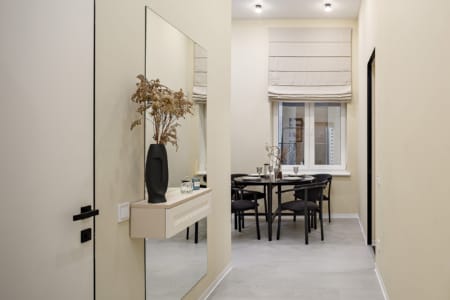
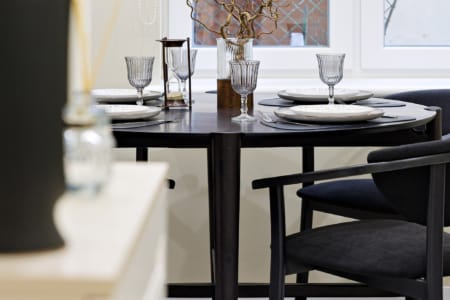
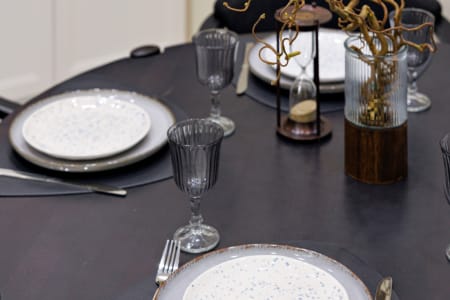
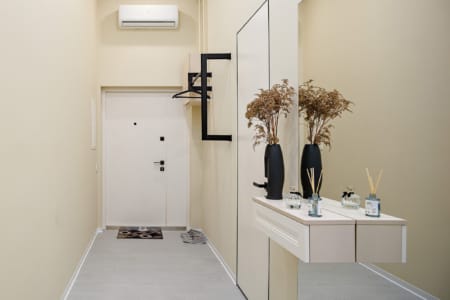
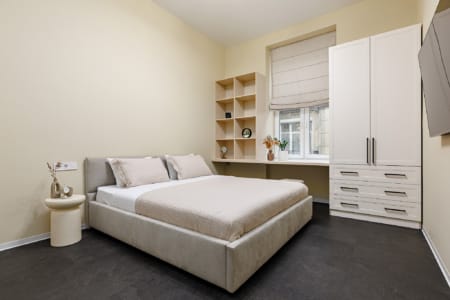
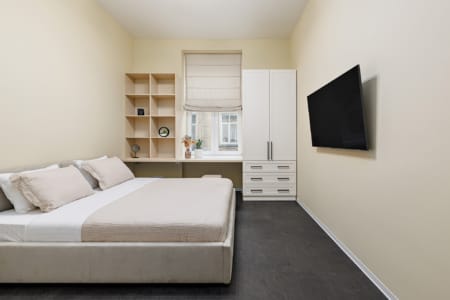
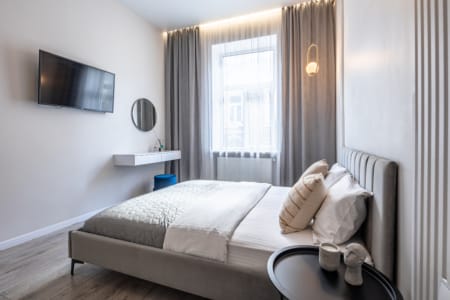
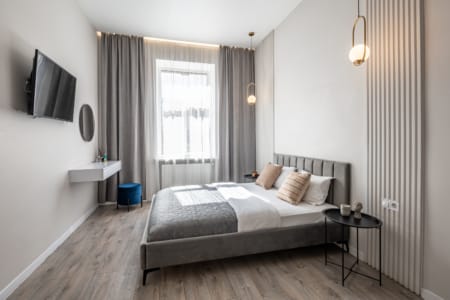
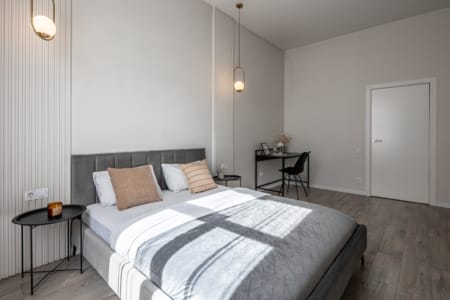
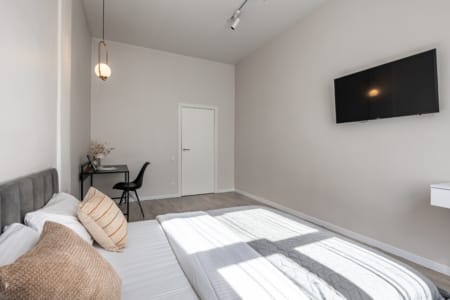
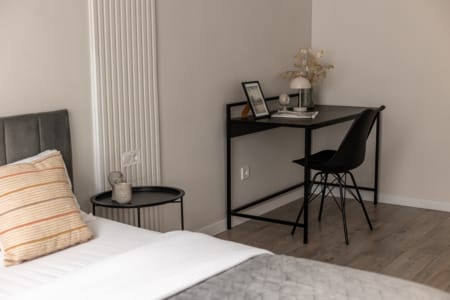
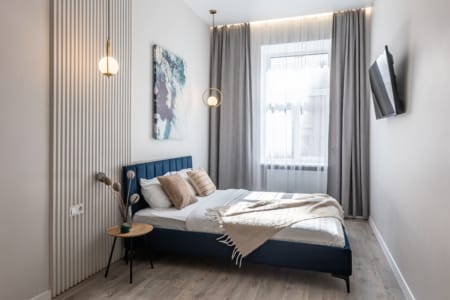
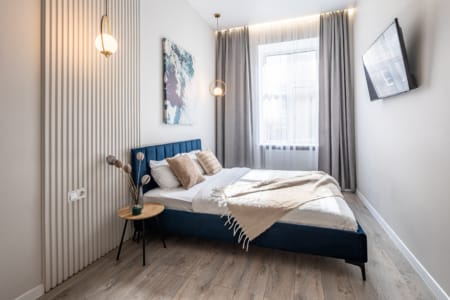
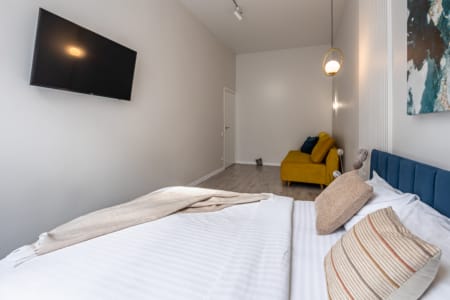
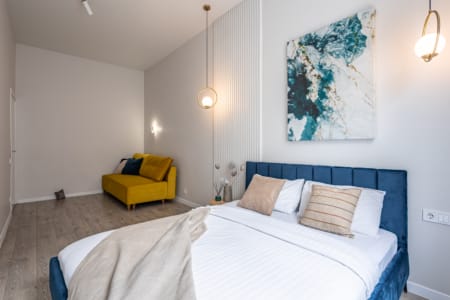
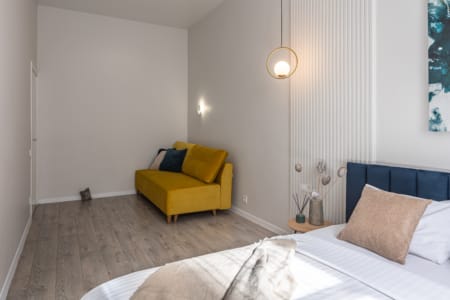
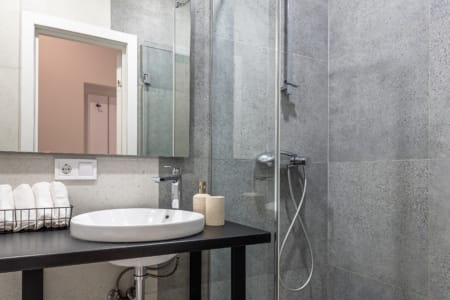
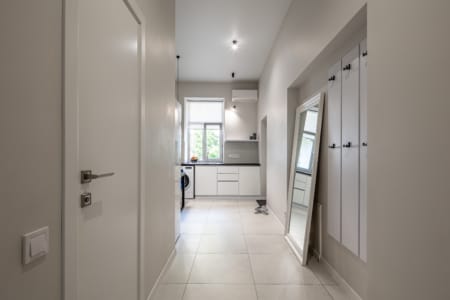
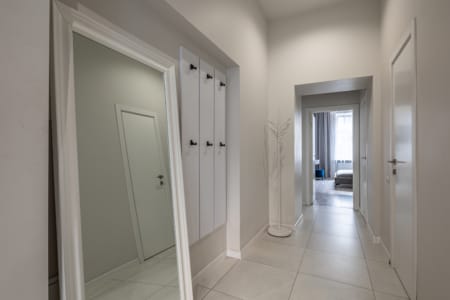
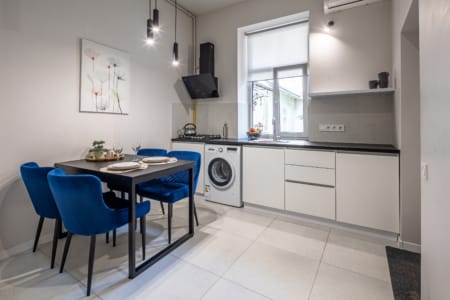
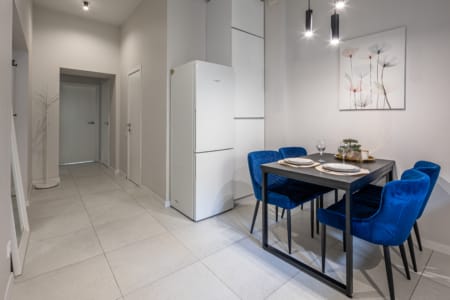
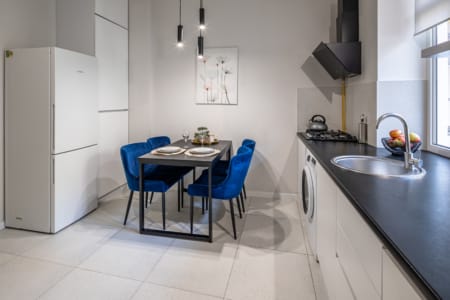
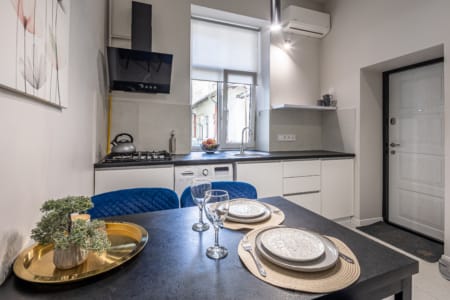
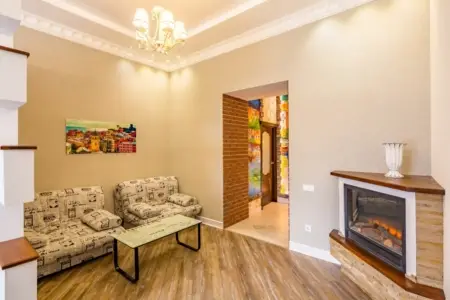
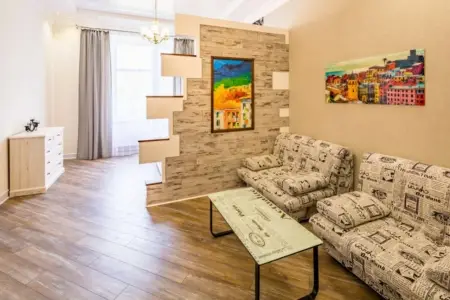
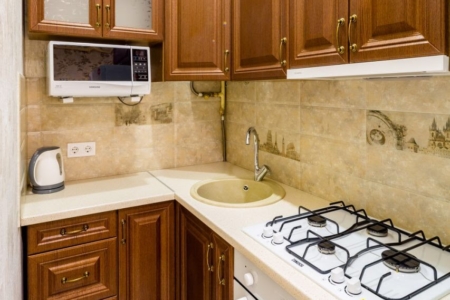
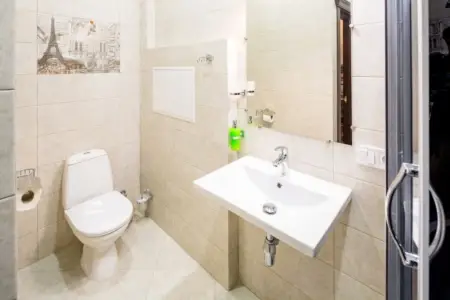
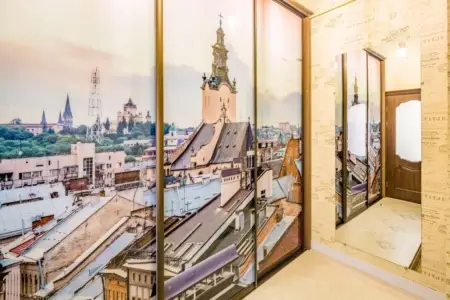
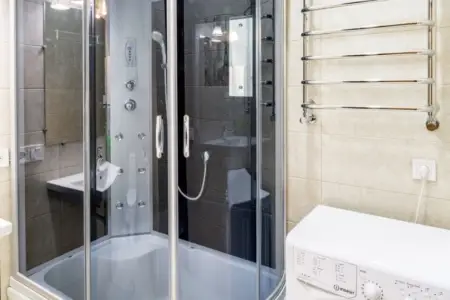
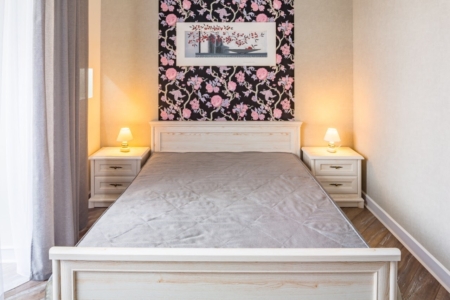
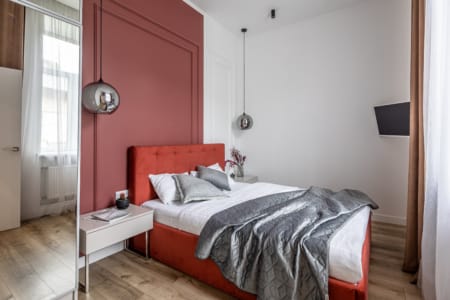
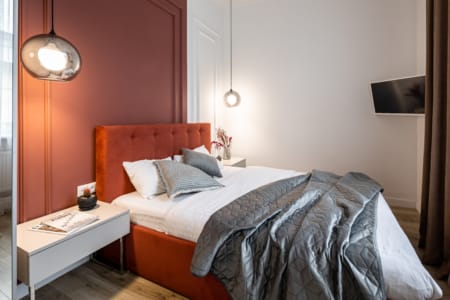
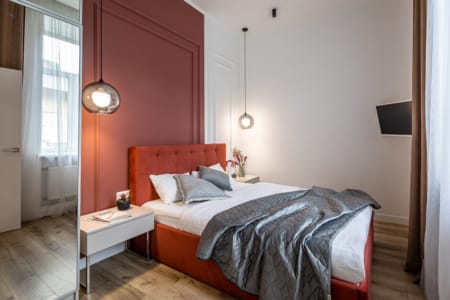
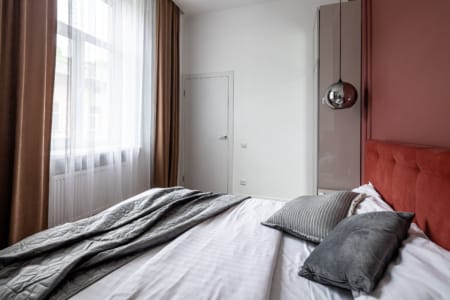
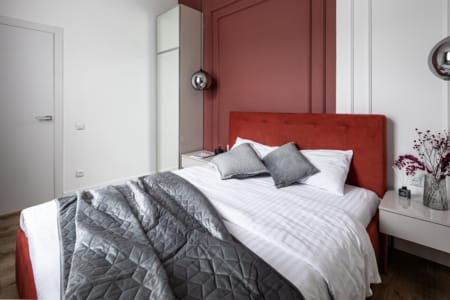
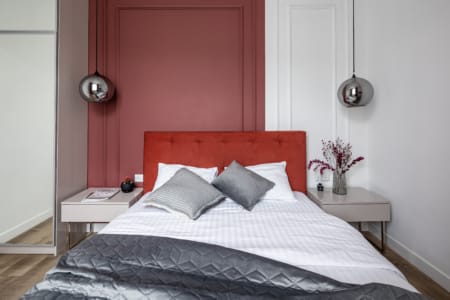
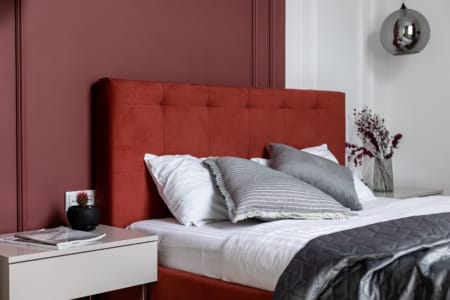
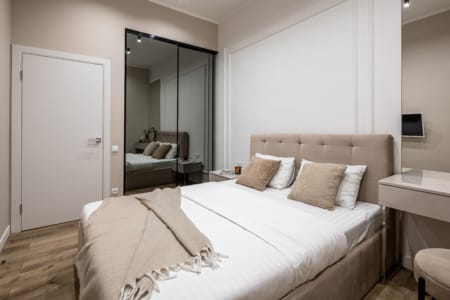
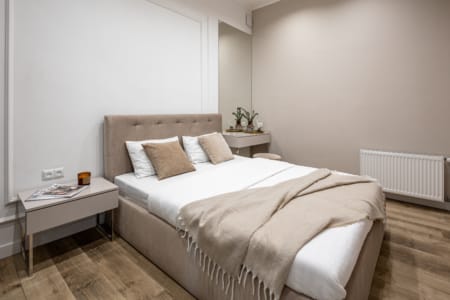
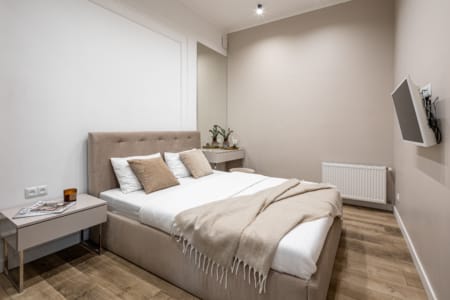
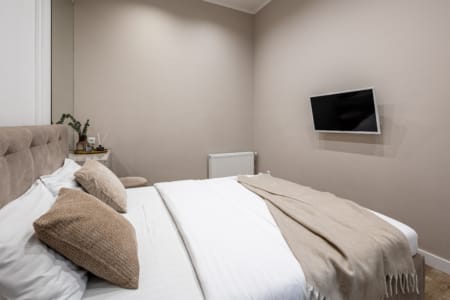
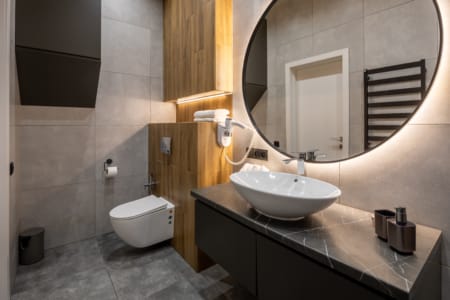
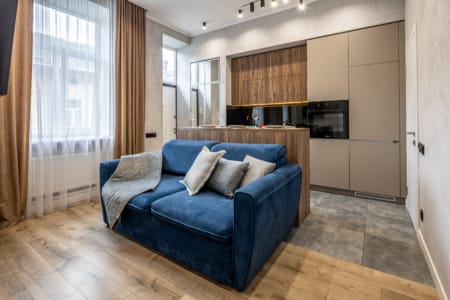
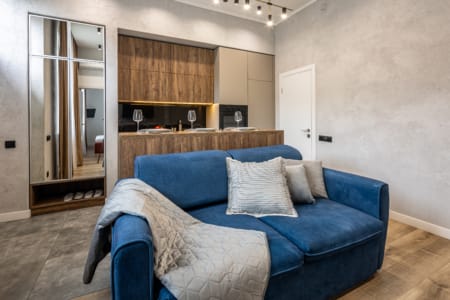
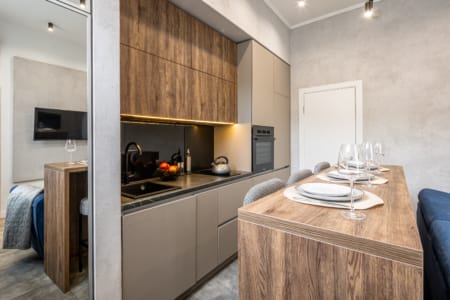
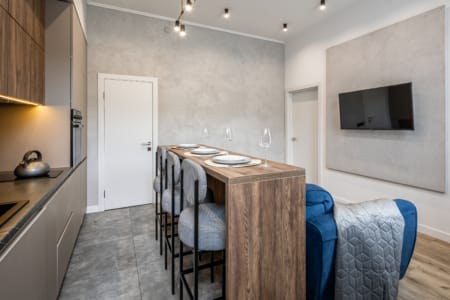
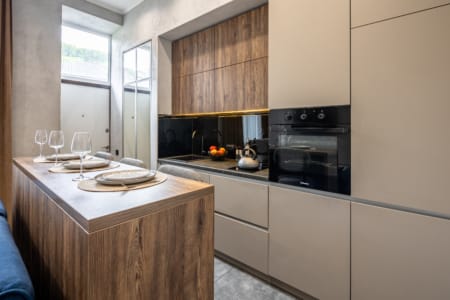
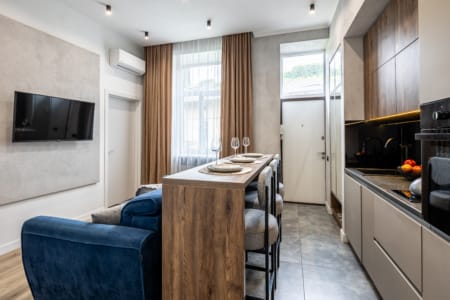
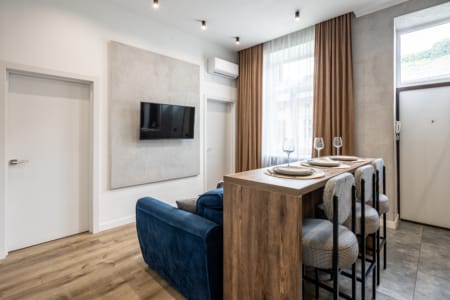
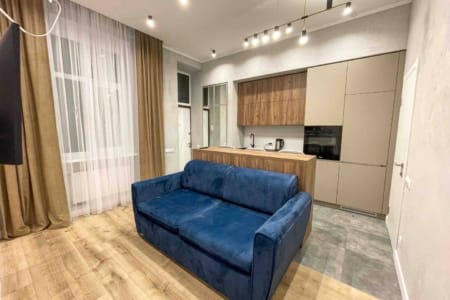
 Leo Apartment
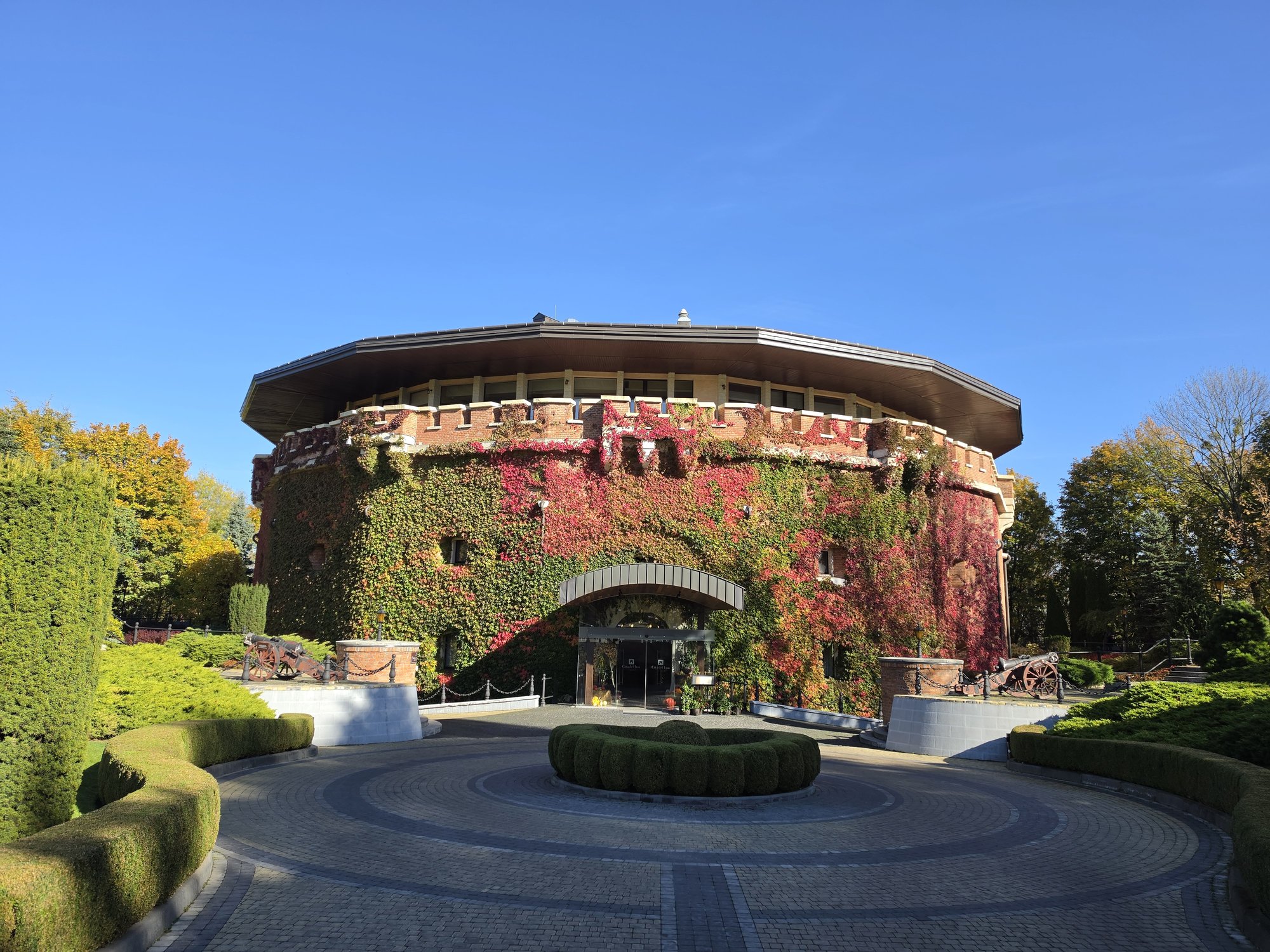
The Lviv Citadel is a mid-19th-century Austrian fortress on the hills above the city centre. Its main structures were built in 1852–1854: a massive red-brick barracks and four artillery towers were meant to keep Lviv under control after the revolution of 1848.
Today it is an architectural monument of national importance with a very difficult history. In November 1918 the Ukrainian flag was raised here, and during the Second World War the Nazis ran the Stalag 328 prisoner-of-war camp on the site. Here is what to see at the Citadel and how to combine it with a walk through the neighbouring parks.
Where Is the Lviv Citadel
The fortress occupies three hills — Shembek, Poznan and Kalicha Hill — between Vitovskoho, Kopernyka, Stefanyka, Hrushevskoho and Ivana Franka streets. The main address of the complex is 11 Hrabovskoho Street.
The Citadel is about 1.2 km from Rynok Square, a 15–20 minute walk. The Potocki Palace on Kopernyka Street is right next door, and the Park of Culture begins beyond Vitovskoho Street.
History of the Lviv Citadel
A Fortress after the Revolution of 1848
After the revolutionary events of 1848, the Austrian authorities decided to build fortifications in large cities that could control the population with small forces. The site in Lviv was chosen by a commission chaired by General Wilhelm von Hammerstein, and land purchases began in spring 1849.
The barracks, two flanking towers and four artillery towers were built in 1852–1854, and a horseshoe-shaped tower was added to the barracks in 1856–1870. The design was prepared by architects of the governorate’s building directorate. The first garrison consisted of an infantry battalion and two artillery batteries.
November 1918
On the night of 1 November 1918, a small Ukrainian unit under Lieutenant Bohdan Bilinkevych took the Citadel. It was part of the November Uprising, when Ukrainian authority was proclaimed in Lviv. A company of Ukrainian Sich Riflemen later arrived as reinforcements, and the fighting for the fortress lasted until 21 November.
Between the Wars
In 1914–1915 the Citadel was held by a Russian garrison, and after 1919 the Polish 19th Infantry Regiment was stationed here. In 1923–1925 a stadium with wooden stands was built south of the barracks, and in 1928 two stone lions were placed at the barracks entrance. The city discussed turning the fortress into a public park more than once, but the military never left.
Stalag 328
In 1941 the German command set up the Stalag 328 prisoner-of-war camp in the Citadel. According to researchers, hundreds of thousands of people passed through it in three years, and more than 140,000 died of hunger, disease and executions. In 2011 a wooden cross was erected near one of the towers in their memory.
After the War
In Soviet times the fortress remained a military site, and from the 1980s some of its buildings were handed over to the Elektron concern. After 1991 most of them passed into private ownership. In 2012 the complex was given the status of an architectural monument of national importance.
What to See at the Citadel
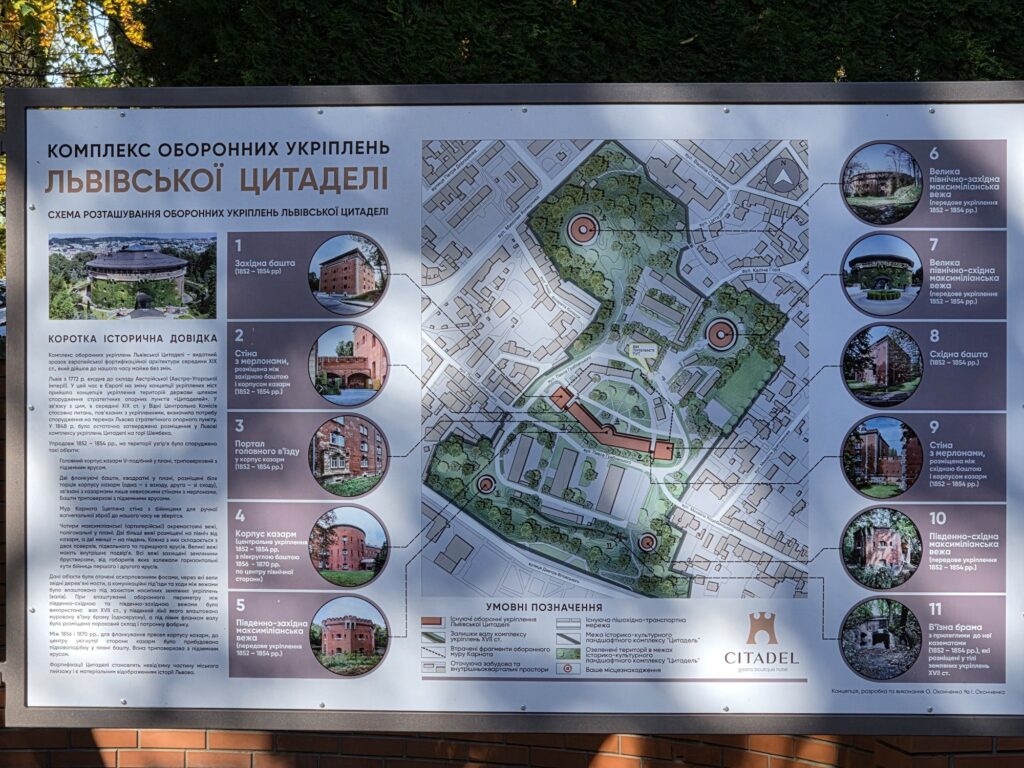
An information board on Hrabovskoho Street shows a map of the complex with its 11 surviving structures: the barracks, the towers, the walls with merlons, the four artillery towers and the entrance gate. It is a good place to start your visit.
The Barracks
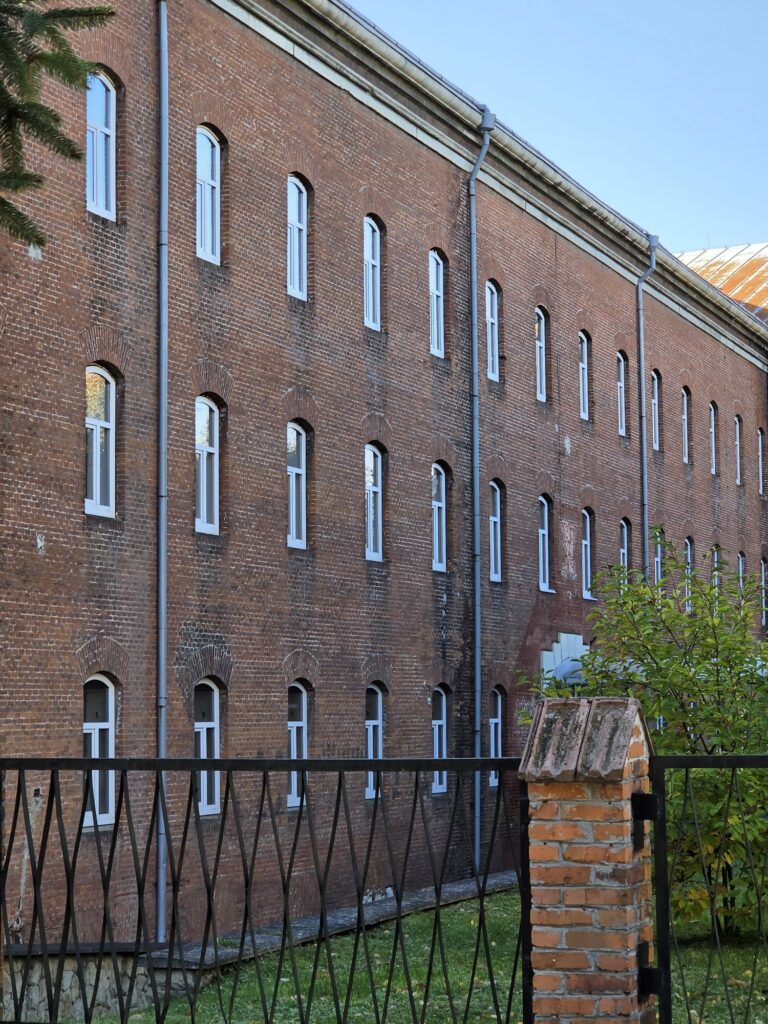
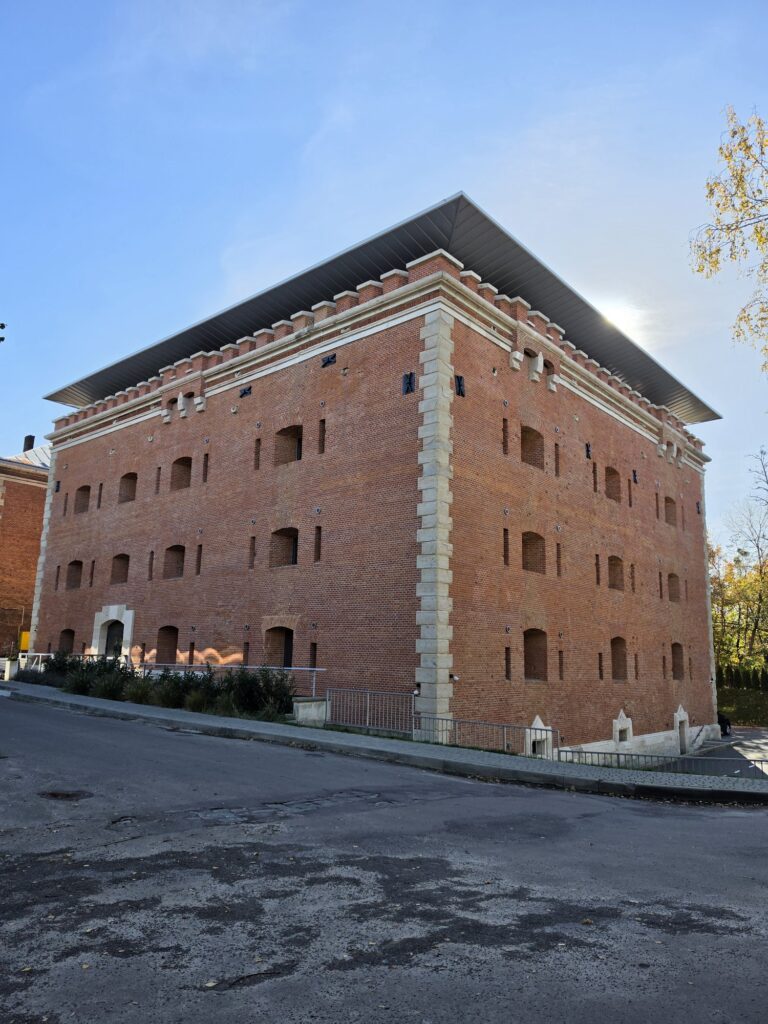
The main building of the Citadel is a three-storey barracks of unplastered red brick with an underground level. It is V-shaped in plan, and in 1856–1870 a horseshoe-shaped tower was added to the centre of its northern side. Today it houses a bank and offices.
The West and East Towers
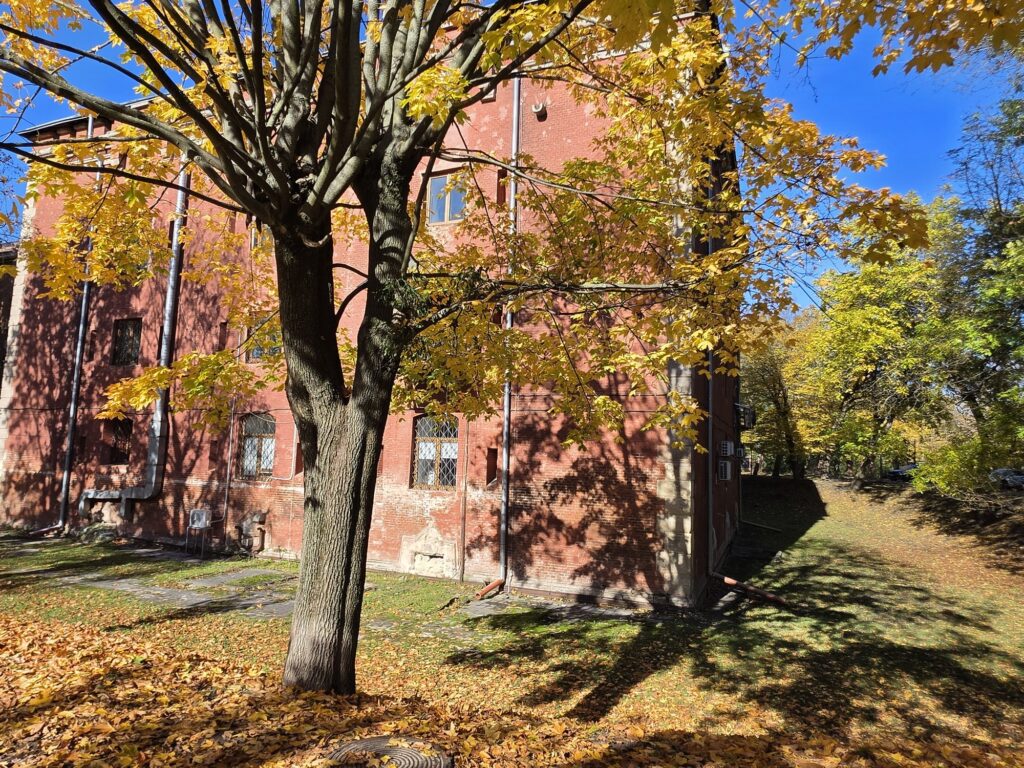
Two square three-storey towers stand at the ends of the barracks. Low walls with merlons, the battlements familiar from medieval castles, connect them to the main building. The West Tower has been restored and is easy to see from the street.
The Maximilian Towers
The approaches to the fortress were guarded by four free-standing Maximilian-type artillery towers, polygonal in plan, each with an inner courtyard. The two larger ones stand north of the barracks, the two smaller ones to the south. The large towers have an inner diameter of about 36 metres, the smaller ones 18 metres. They were protected by earthen breastworks and moats crossed by wooden drawbridges.
The Hotel Tower
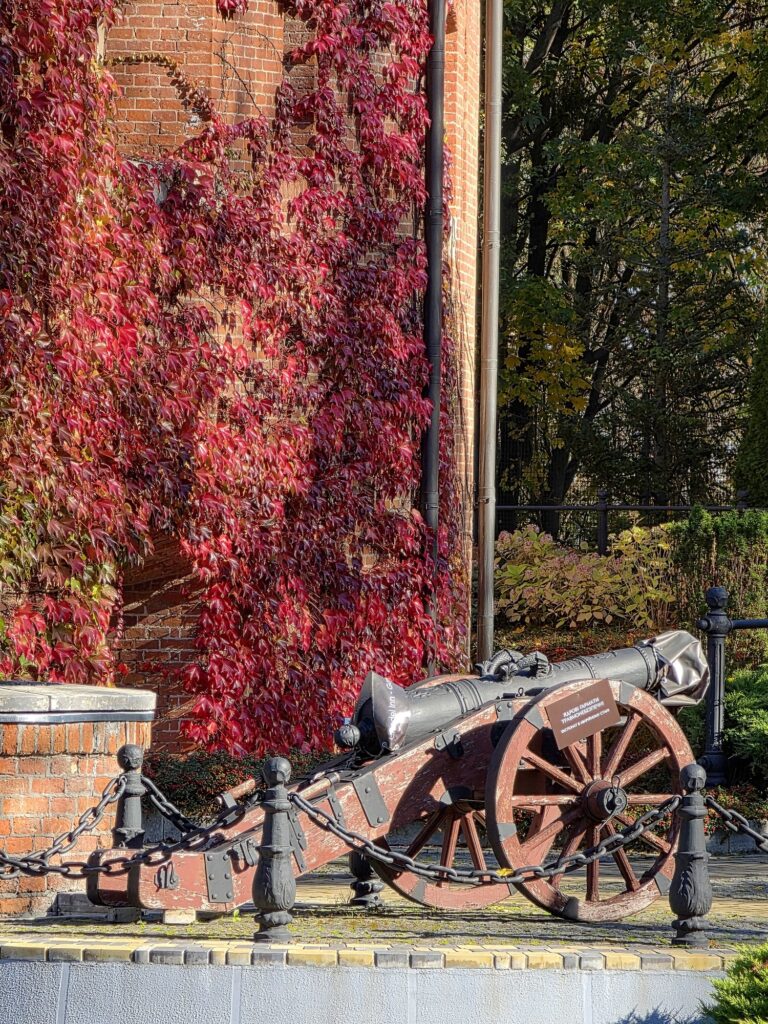
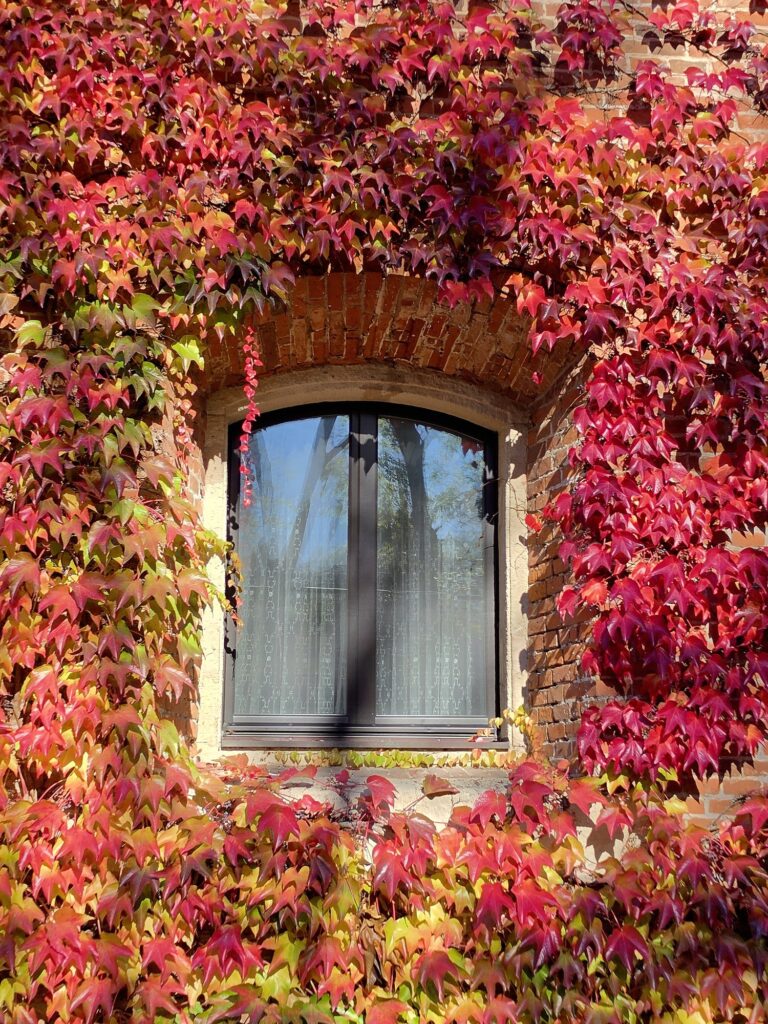
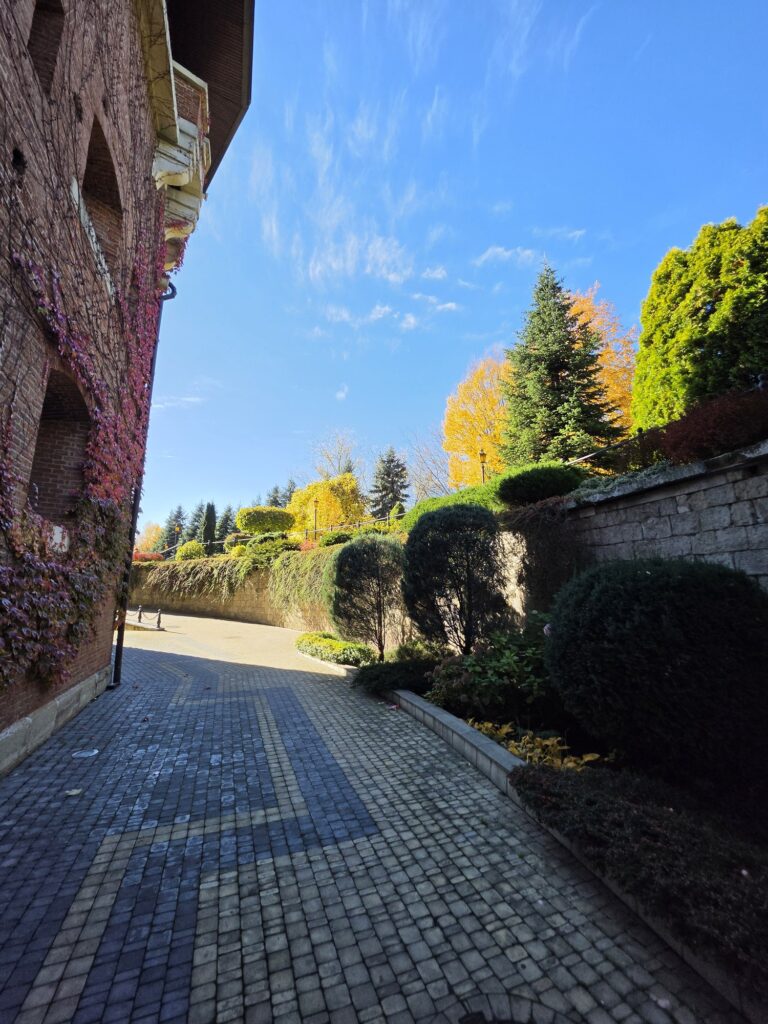
The Great North-East Tower houses the Citadel boutique hotel. In autumn its walls are covered in red Virginia creeper, and old cannons stand by the entrance. Its third-floor restaurant and summer terrace offer a panorama of historic Lviv.
Ruins of the Southern Fortifications
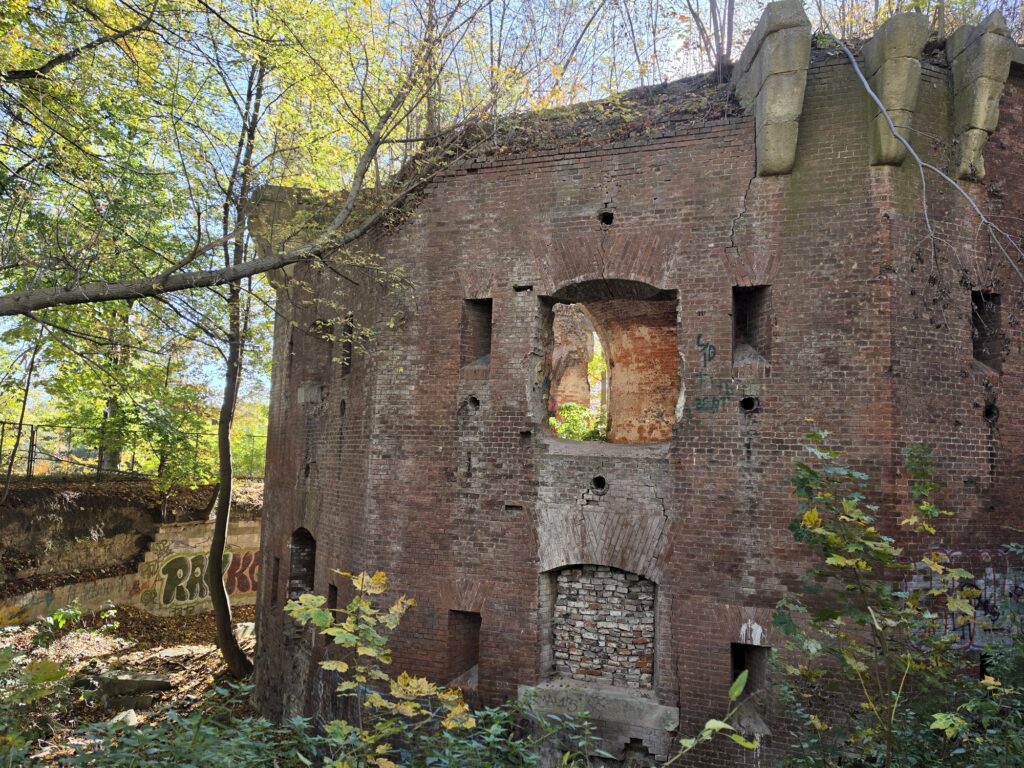
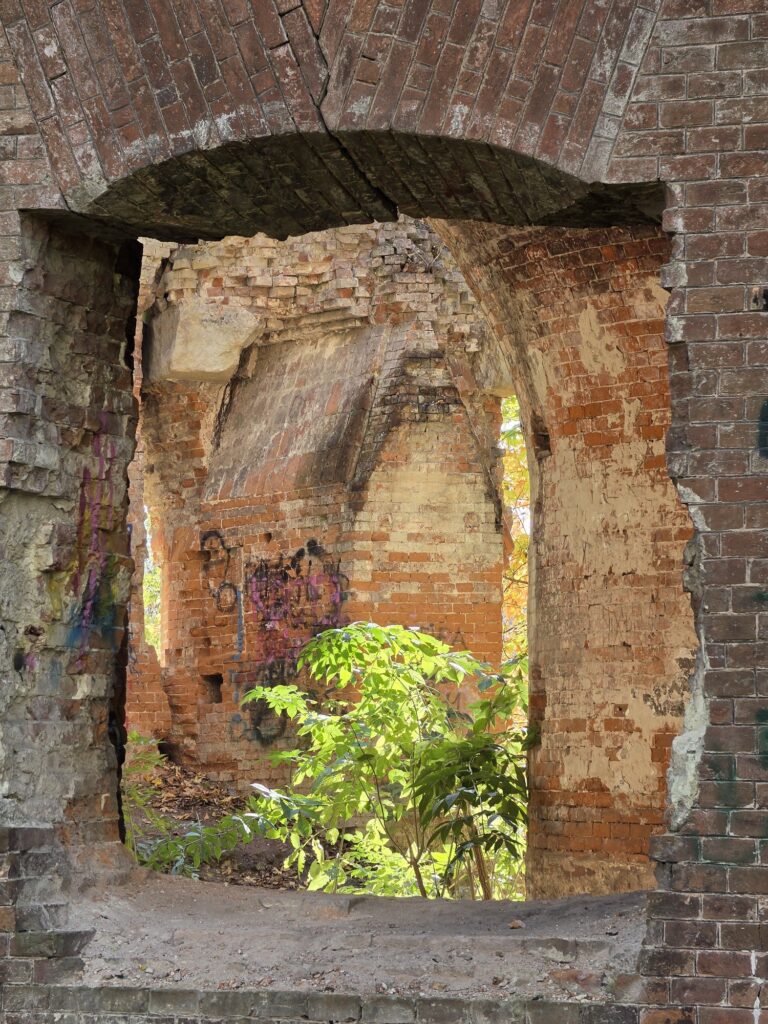
The half-ruined South-East Tower and the entrance gate with casemates built into a 17th-century rampart stand on the southern slopes. Through the broken openings you can see brick vaults slowly being taken over by trees.
The Memorial Cross
A place of remembrance for the prisoners of Stalag 328 near one of the towers.
Hills and Alleys
The green slopes between the towers make a pleasant walk with views over the rooftops of the centre.
How to Visit the Citadel
The Citadel is not a museum and has no tickets or opening hours. Some towers and barracks belong to private owners, so you cannot enter most of the buildings. The easiest way to see the fortress is from outside, walking over the hills and along Hrabovskoho Street.
Some towers are half-ruined, so do not climb fences or old walls. The simplest way to see the fortress from the inside is to visit the Citadel hotel restaurant.
Detailed descriptions of individual towers and the barracks can be found in the Lviv Interactive project of the Center for Urban History.
Tips for Your Walk
- Half-day route. Potocki Palace → Citadel → Park of Culture → Stryiskyi Park. All four are close together, and the walk takes 3–4 hours.
- When to go. The best light for photographing the red brick is in the evening, before sunset.
- Footwear. The fortress stands on hills and the slopes are steep in places, so wear comfortable shoes.
- Respect the place. The Citadel is also the site of a tragedy for thousands of prisoners. Please behave quietly near the memorial cross.
Where to Stay near the Citadel
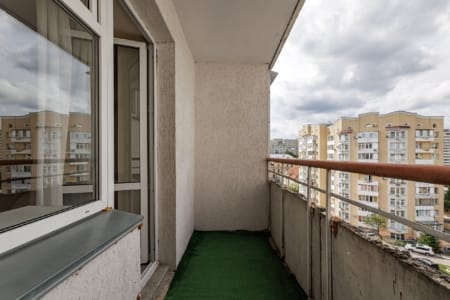
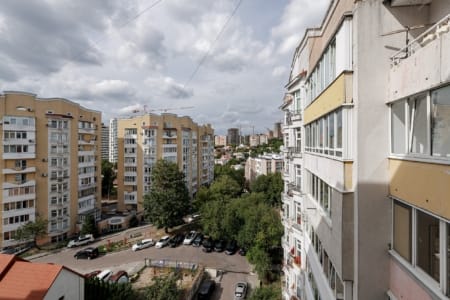
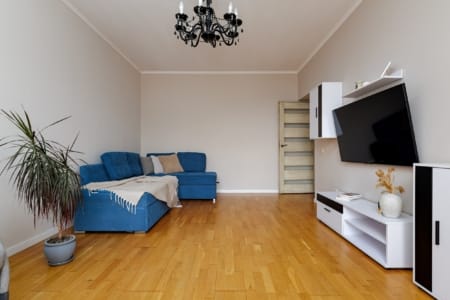
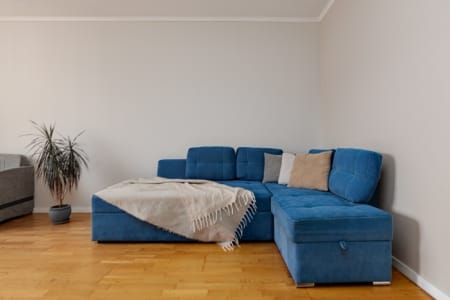
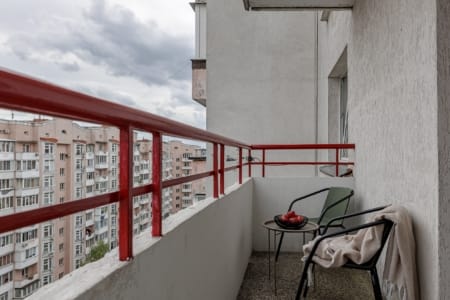
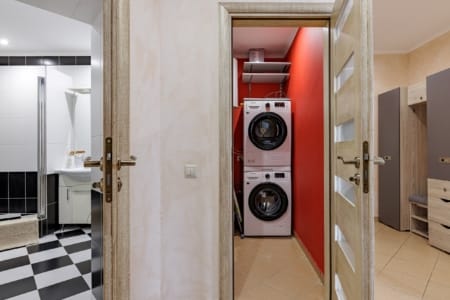
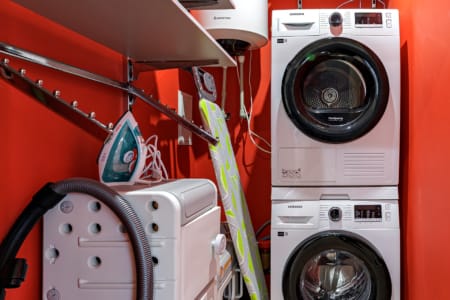
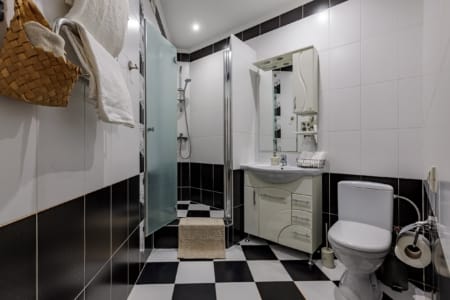
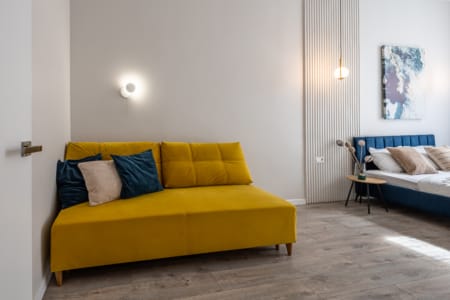
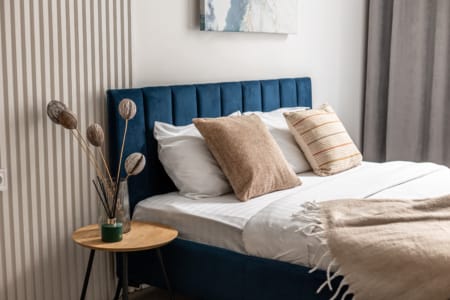
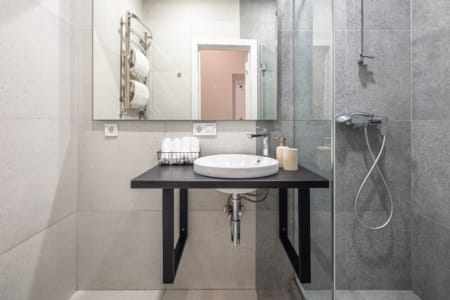
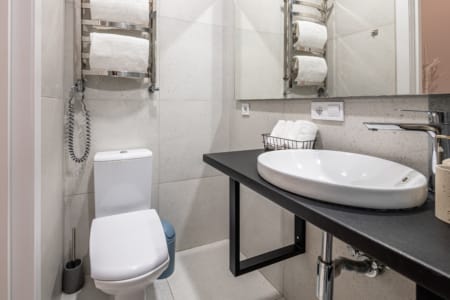
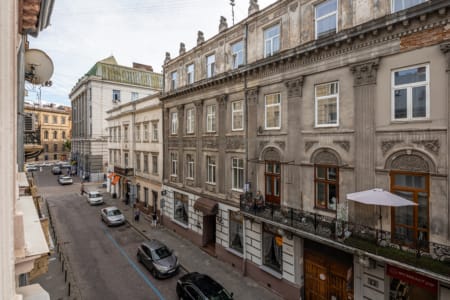
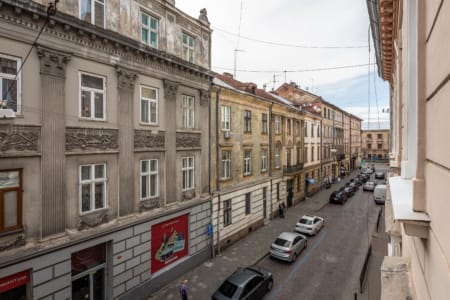
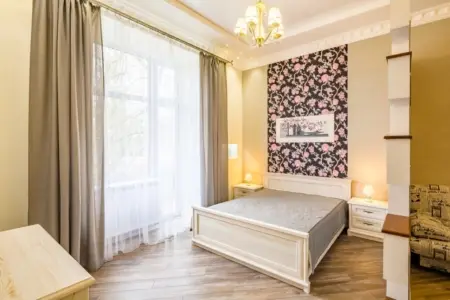
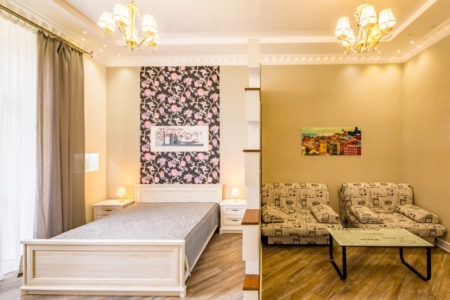
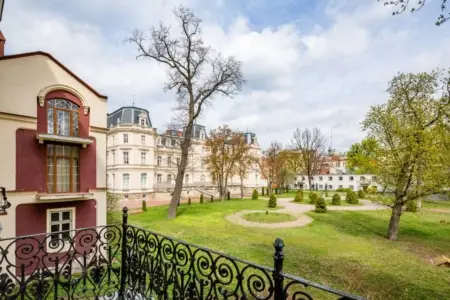
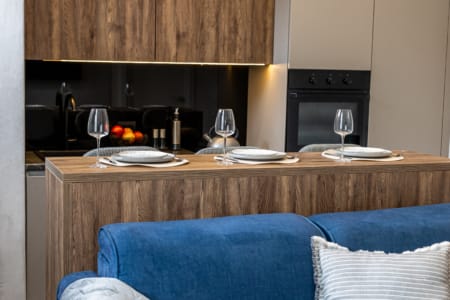
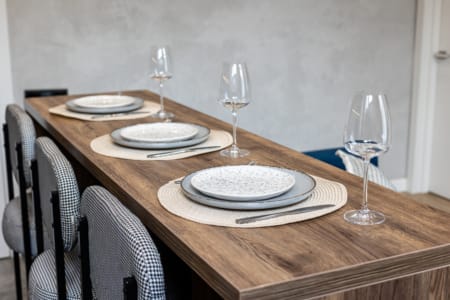
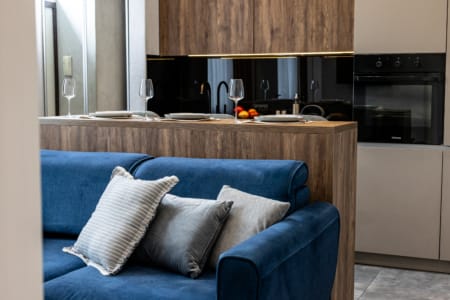
Our studio apartment on Stefanyka Street is a few minutes from the Citadel, and its balcony looks out on the Potocki Palace and its park. From there it is also an easy walk to Rynok Square.
See more options in our apartments for rent in Lviv section.
Conclusion
The Lviv Citadel is not a restored museum but a living and controversial monument: Austrian military architecture, the events of November 1918 and the tragedy of Stalag 328 on the same hills. It is worth a visit for anyone interested in history, fortifications and a less familiar side of Lviv.
Planning a trip? Book an apartment in Lviv directly, with no intermediaries or commission, and combine the Citadel with the Potocki Palace and the city’s southern parks.
FAQ about the Lviv Citadel
Where is the Citadel in Lviv?
On the hills between Vitovskoho, Kopernyka, Stefanyka, Hrushevskoho and Ivana Franka streets. The main address is 11 Hrabovskoho Street.
When was the Citadel built?
The site was approved in 1848. The barracks, towers and four artillery towers were built in 1852–1854, and the horseshoe-shaped tower was added in 1856–1870.
Can you go inside?
The Citadel is not a museum: most buildings belong to private owners. Visitors see the fortress from outside, and the Great North-East Tower houses a hotel with a restaurant.
What was Stalag 328?
A Nazi prisoner-of-war camp that operated in the Citadel in 1941–1944. According to researchers, more than 140,000 people died there.
How is the Citadel connected to November 1918?
On the night of 1 November 1918, a Ukrainian unit under Lieutenant Bohdan Bilinkevych took the fortress, and the fighting for it lasted until 21 November.
What is there to see nearby?
The Potocki Palace, the Park of Culture and Stryiskyi Park are all within a 10–15 minute walk.










Join the discussion