
Park of Culture in Lviv: History, Rides and Festivals
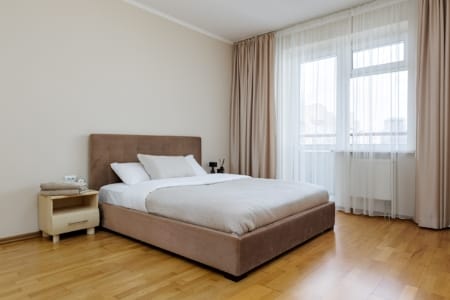
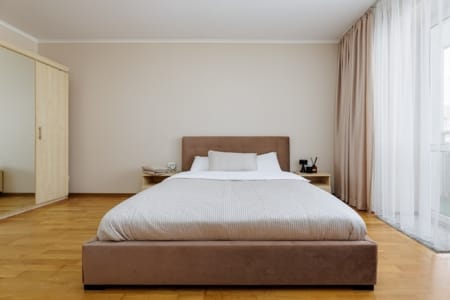
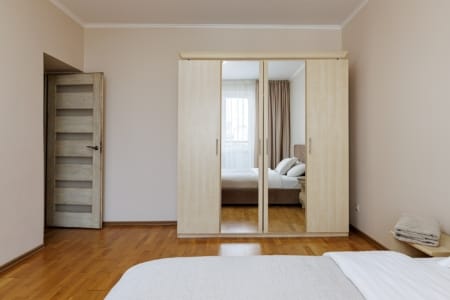
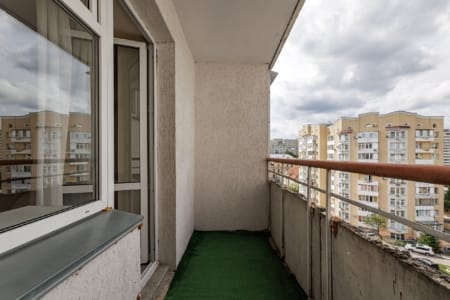
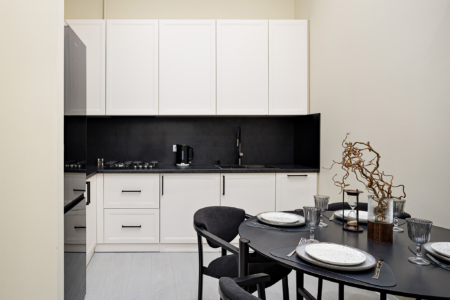
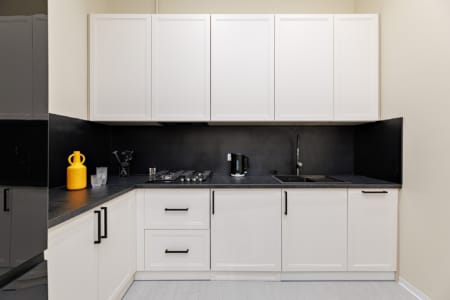
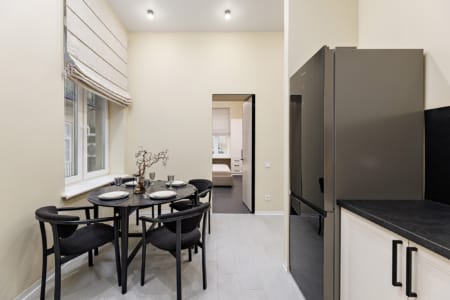
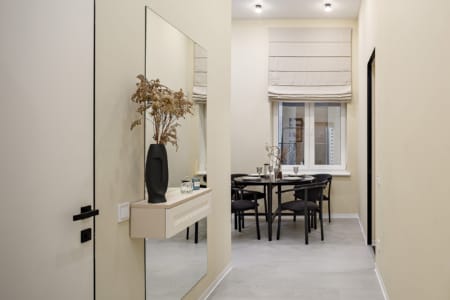
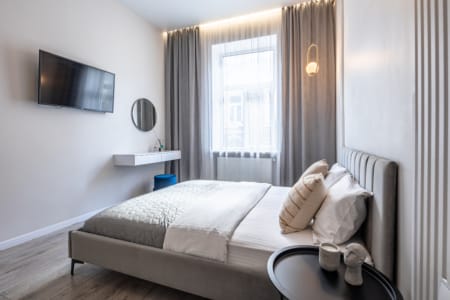
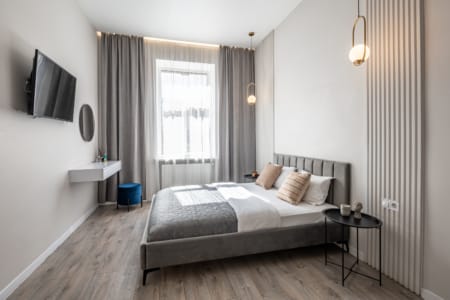
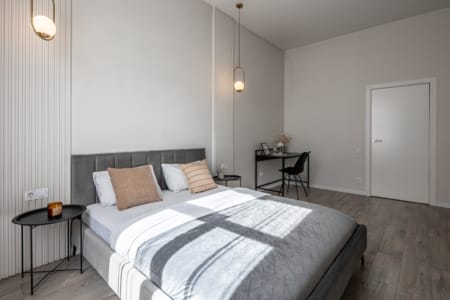
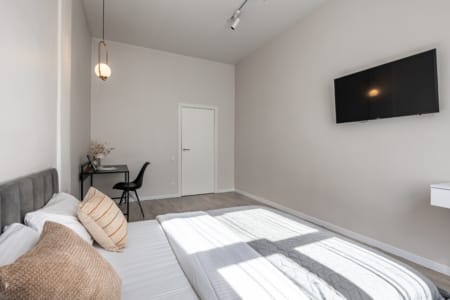
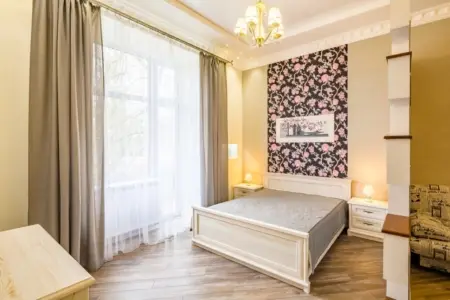
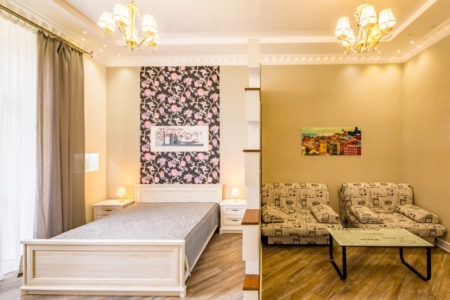
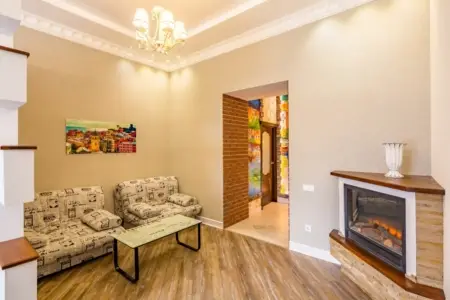
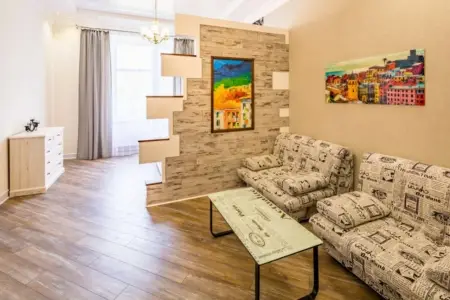
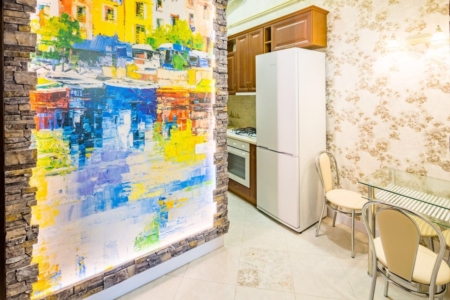
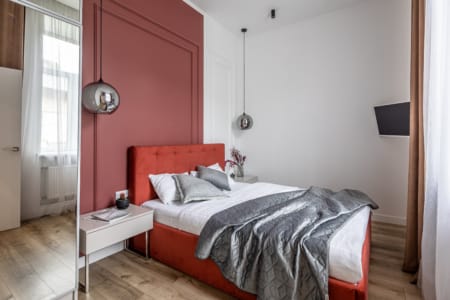
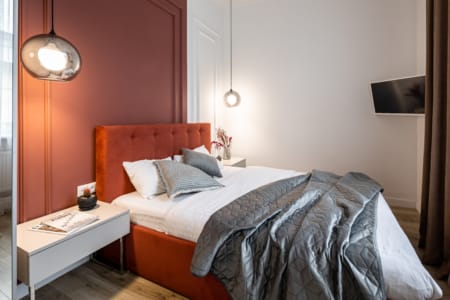
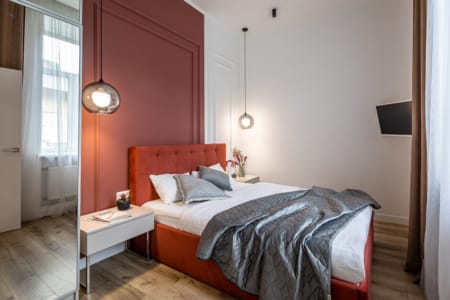
 Leo Apartment
The Park of Culture in Lviv is what locals call the Bohdan Khmelnytsky Central Park of Culture and Recreation. It covers 26 hectares of greenery between Stryiska and Vitovskoho streets. There is a Ferris wheel and rides for children, and at weekends the park often hosts festivals, fairs and concerts.
The park was laid out in 1951, but people came here to relax as early as the mid-19th century. Today it is protected as a local landmark of landscape art. Stryiskyi Park and the Citadel are just across the road, so a visit easily turns into a half-day walk.
Where Is the Park of Culture
The park lies in Halytskyi district, south of the historic centre. It is bordered by Stryiska, Heroiv Maidanu, Vitovskoho and Zarytskykh streets. The park office is at 4 Bolharska Street.
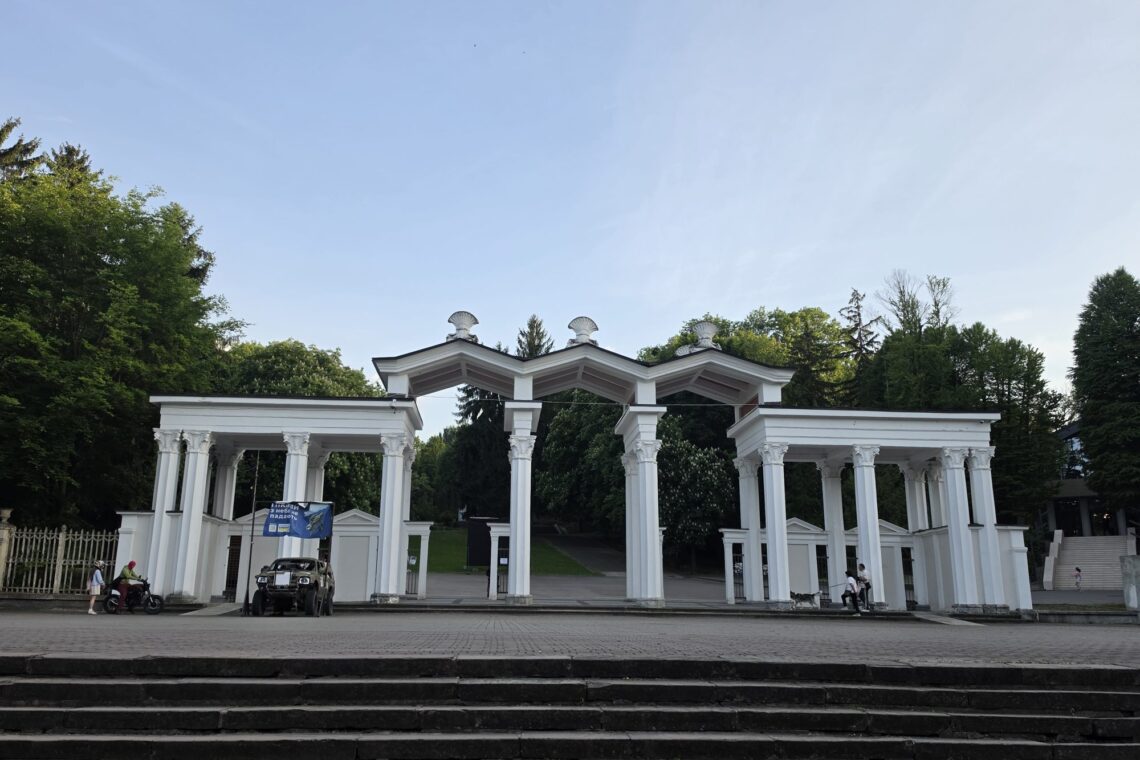
The main entrance, with its colonnade and fountains, faces Vitovskoho Street. It is about 2 km from Rynok Square, a 25–30 minute walk. Entry to the park is free; you only pay for rides and some events.
History of the Bohdan Khmelnytsky Park
In the 19th century, Pelchyn Pond lay near today’s main entrance. In summer it had a bathhouse, and in winter it became a skating rink. On 14 September 1845, a large charity show was held here for the victims of a flood on the Poltva river.
In the early 20th century, the Lviv Skating Society ran the city’s largest public ice rink on this site, with tennis courts in summer. The pond was drained in 1915 and filled in in 1921. Pelchynska Street, now Vitovskoho Street, was laid across it.
The city first planned a large park of culture in 1940, but at that time in Pohulianka. After the war, architects Henryk Shvetsky-Vinetsky and Stanislav Sokolov proposed the current site instead. The park was laid out in 1951 on a former rubbish dump, and construction went on until 1959.
The Soviet park was meant to showcase a new Lviv. It had monuments to Lenin and Stalin, pavilions of an agricultural exhibition and a Green Theatre for 6,000 spectators. Most of these are gone. What survives from that era is the central alley, over 800 metres long, the colonnade of the main entrance and the building of the Druzhba cinema.
What to See in the Park of Culture
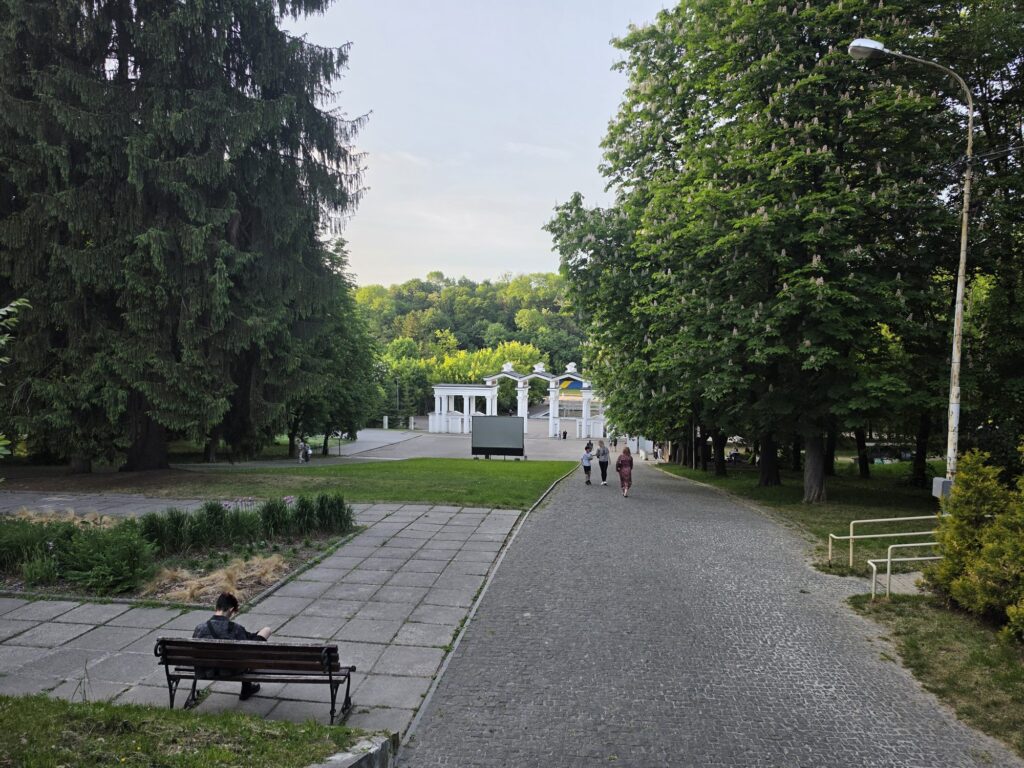
- The central alley. The park’s main axis, with terraced flowerbeds, lawns and fountains. It is the best place to start your walk.
- The colonnade and fountains. The Corinthian colonnade of the main entrance is one of the few surviving structures from the 1950s. The fountains next to it were added in 1970.
- The bust of Bohdan Khmelnytsky. A monument to the Cossack hetman the park is named after.
- Yunist Stadium. A stadium opened in 1968, on Bolharska Street.
- Memorial sites. Since 2020, the park has hosted the “Calendar of War” installation, and the same year an Apple Alley was planted in memory of fallen servicewomen. Park staff also plant “Trees of Memory” for fallen defenders.
Rides and Prices
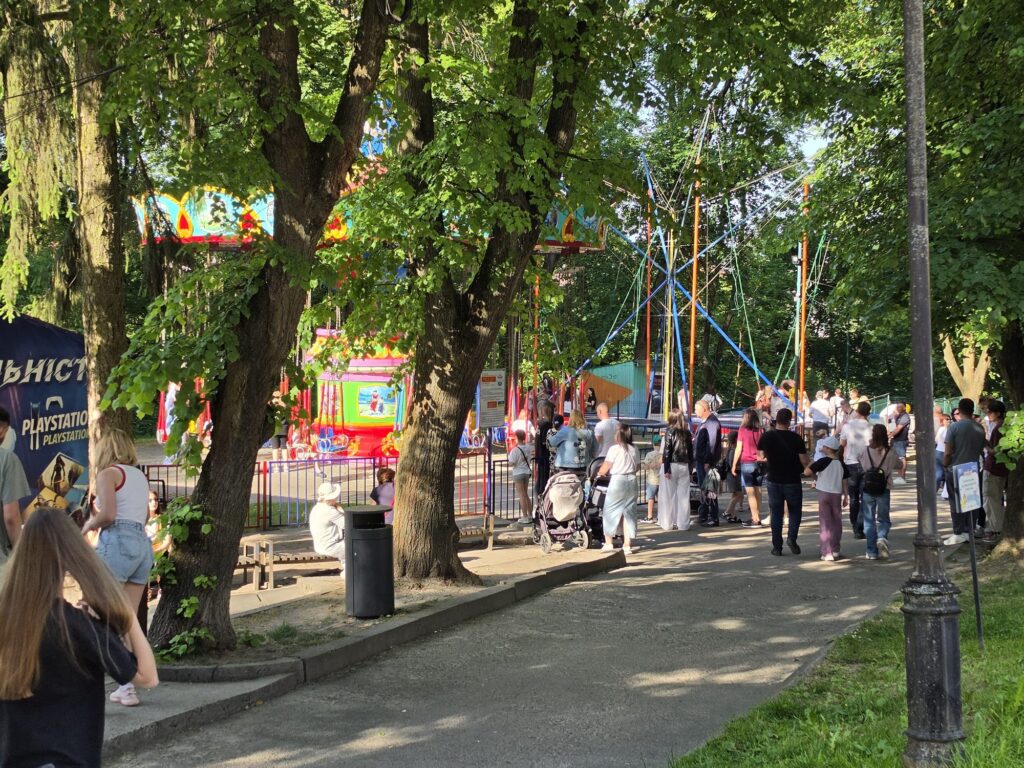
The rides are the main reason families with children come here. As of October 2026, according to the park’s official website, they run from Wednesday to Sunday, 11:00–20:00:
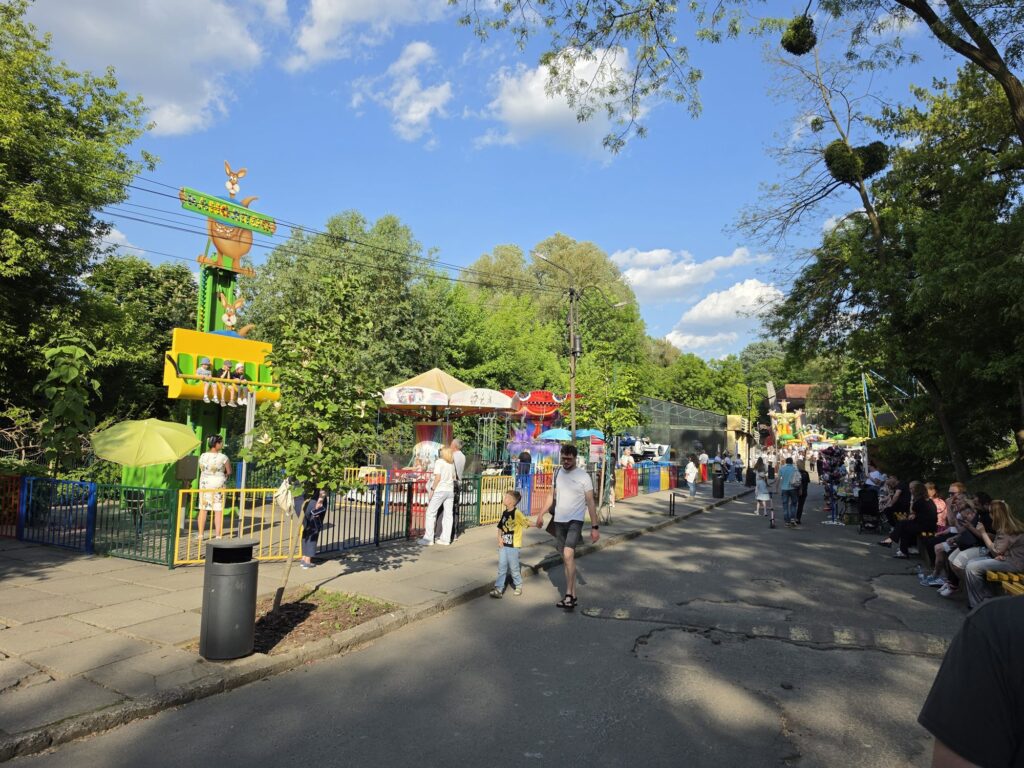
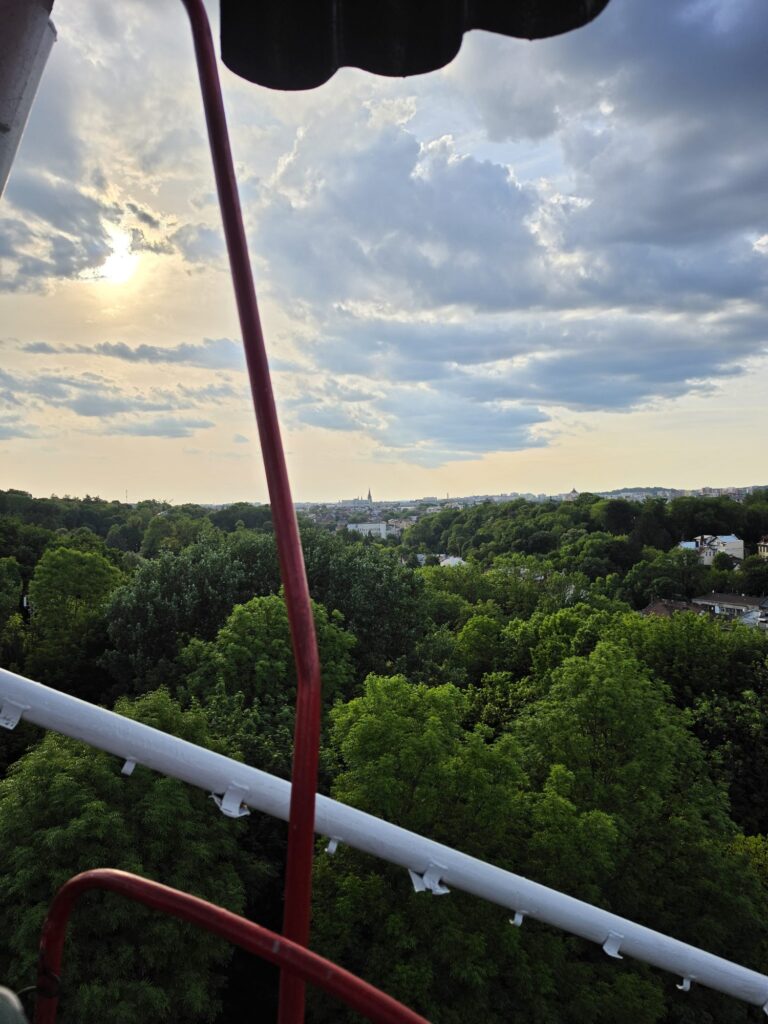
- Ferris wheel — 100 UAH, from age 11, with views over the city.
- For older children and adults — “Waltz” (from 8), “Merry Slides” (from 12) and “Clown” (from 14), 100 UAH each.
- For little ones from age 3 — spinning cups, a chain swing carousel, the “Kangaroo” drop tower, “Cars”, “Sunshine” and “Space”, 70 UAH each.
- Bumper cars — temporarily closed at the time of writing.
Next to the water basin there is a wooden children’s town with little houses, nets and slides, and the “Zorbulka” water ride runs nearby.
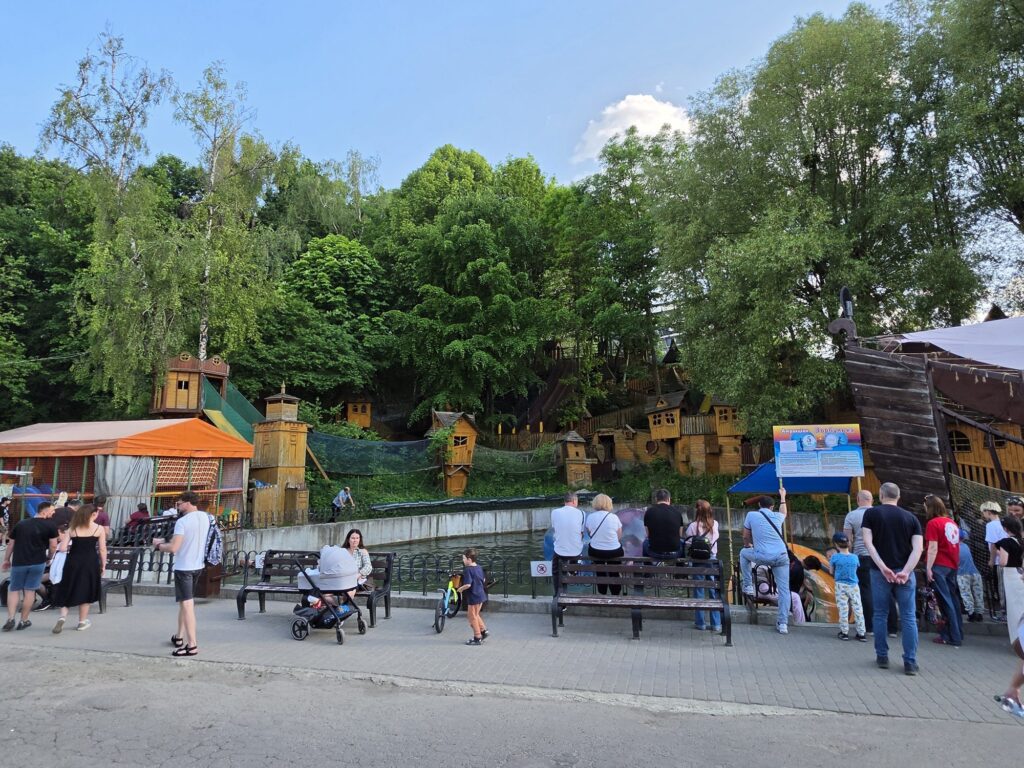
The rides are seasonal, so hours and prices may change. If you are coming with children, check the park’s website before you go.
Festivals and Events
The Park of Culture is one of Lviv’s biggest event venues. The best-known events include:
- Golden Autumn. Every October, the park hosts agricultural fairs of the Lviv region with farm produce.
- Leopolis Grand Prix. A vintage car festival held in the park since 2015.
- Leopolis Jazz Fest. Before the full-scale war, the festival’s main stage, named after Eddie Rosner, stood here.
- Street Food So Good. A street food festival held in the park since 2016.
- Festivals of 2026. Oleh Skrypka’s ethno festival “Kraina Mrii” (15–16 August), “Khvostyk Fest” for pet owners and the “Wings of the Nation” charity festival for Ukrainian Air Force Day.
In summer, the park also hosts open-air film screenings and picnics. The full programme is on the park’s website.
Nearby: Stryiskyi Park and the Citadel
The Park of Culture pairs well with its two neighbours. Across Stryiska Street begins Stryiskyi Park, one of the city’s most beautiful landscape parks, with a pond, a cascade and old trees. If the Park of Culture is about rides and festivals, Stryiskyi Park is about quiet alleys and a walk among greenery.
Beyond Vitovskoho Street, the Citadel stands on a hill: an Austrian fortress from the mid-19th century with massive round towers. During the Second World War, the Nazis ran the Stalag 328 prisoner-of-war camp here. Even if you do not go inside, the towers and walls are worth seeing on your walk.
You will find other green spaces of the city in our Lviv parks section.
Tips for Visitors
- With children. Arrive when the rides open at 11:00: the queues are shorter, and the kids will still have energy for Stryiskyi Park.
- How long. Allow 1.5–2 hours for a walk along the alley and a few rides. With Stryiskyi Park, plan half a day.
- When to go. The park is liveliest at weekends, especially during festivals. For a quiet walk, choose a weekday morning.
- Tickets. Tickets for the rides are sold on site, and each ride has its own age limits.
Where to Stay near the Park of Culture
The park is a 25–30 minute walk from the centre. That makes the historic centre a convenient base: Rynok Square and cafés in the morning, then a walk to the parks in the south of the city.
See the options in our apartments for rent in Lviv section. Book directly on our website, with no intermediaries or commission.
Conclusion
The Park of Culture in Lviv combines a Soviet colonnade and an 800-metre alley with modern rides and festivals almost every weekend. It suits families with children, fans of city events and anyone who wants to see a less touristy side of Lviv.
Planning a few days in the city? Book an apartment in Lviv and spend one day in the southern parks: the Park of Culture, Stryiskyi Park and the Citadel.
FAQ about the Park of Culture in Lviv
Where is the Park of Culture in Lviv?
Between Stryiska, Heroiv Maidanu, Vitovskoho and Zarytskykh streets. The main entrance is on Vitovskoho Street, and the park office is at 4 Bolharska Street.
Is entry to the park free?
Yes, entry is free. You only pay for rides and some events.
How much do the rides cost?
As of October 2026, children’s rides cost 70 UAH, and the Ferris wheel and rides for older visitors cost 100 UAH.
When are the rides open?
From Wednesday to Sunday, 11:00–20:00. The schedule is seasonal, so check it on the park’s website.
When was the Park of Culture founded?
The park was laid out in 1951, and construction continued until 1959. People came here to relax as early as the mid-19th century.
What is there to see nearby?
Stryiskyi Park is across Stryiska Street, and the Citadel, a 19th-century Austrian fortress, is beyond Vitovskoho Street.








Join the discussion