
St. George’s Cathedral in Lviv: History, Pinsel and Tips
 Leo Apartment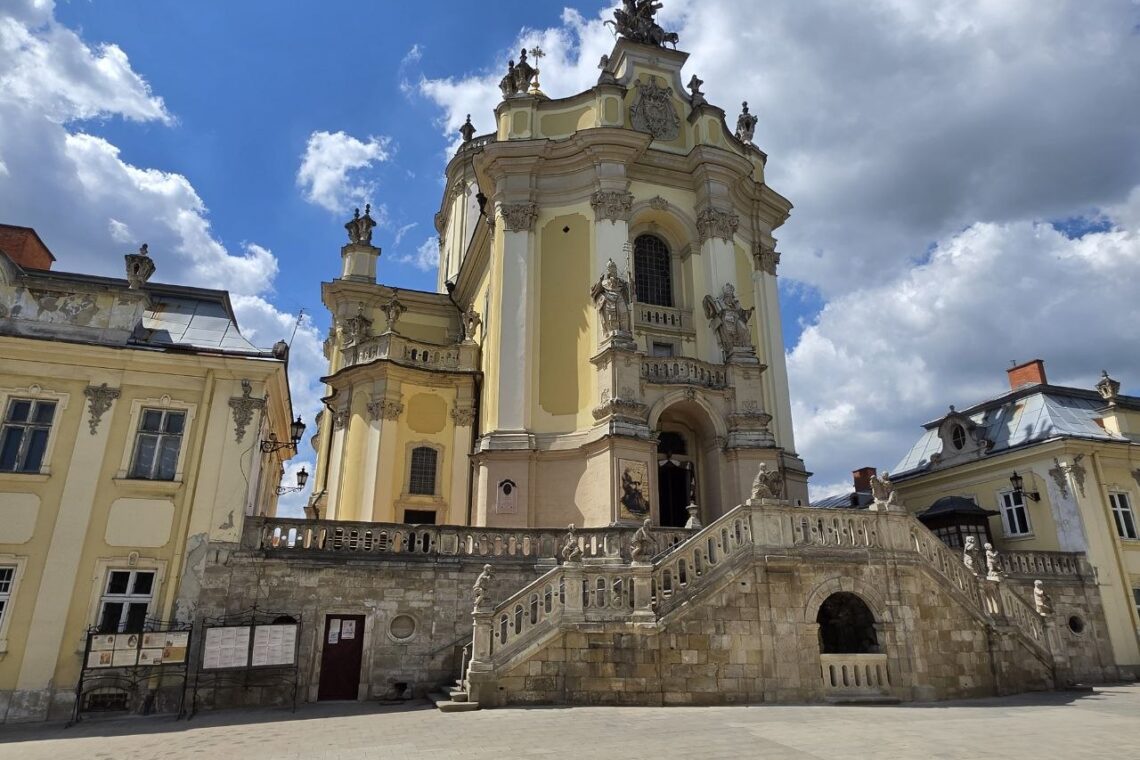
St. George’s Cathedral in Lviv is one of the main shrines of Ukrainian Greek Catholics and one of the most beautiful Baroque landmarks in Ukraine. Its golden façades are visible from many points in the city, and on top of the pediment St. George on horseback slays the dragon.
The present cathedral was built in 1744–1762. Yet the history of this hill is much older: the bell tower still holds a bell cast in 1341, the oldest bell in Ukraine.
Where Is St. George’s Cathedral?
The address is 5 St. George’s Square. The cathedral stands on a hill above central Lviv, a few minutes from Ivan Franko Park. Rynok Square is about a 20-minute walk away.
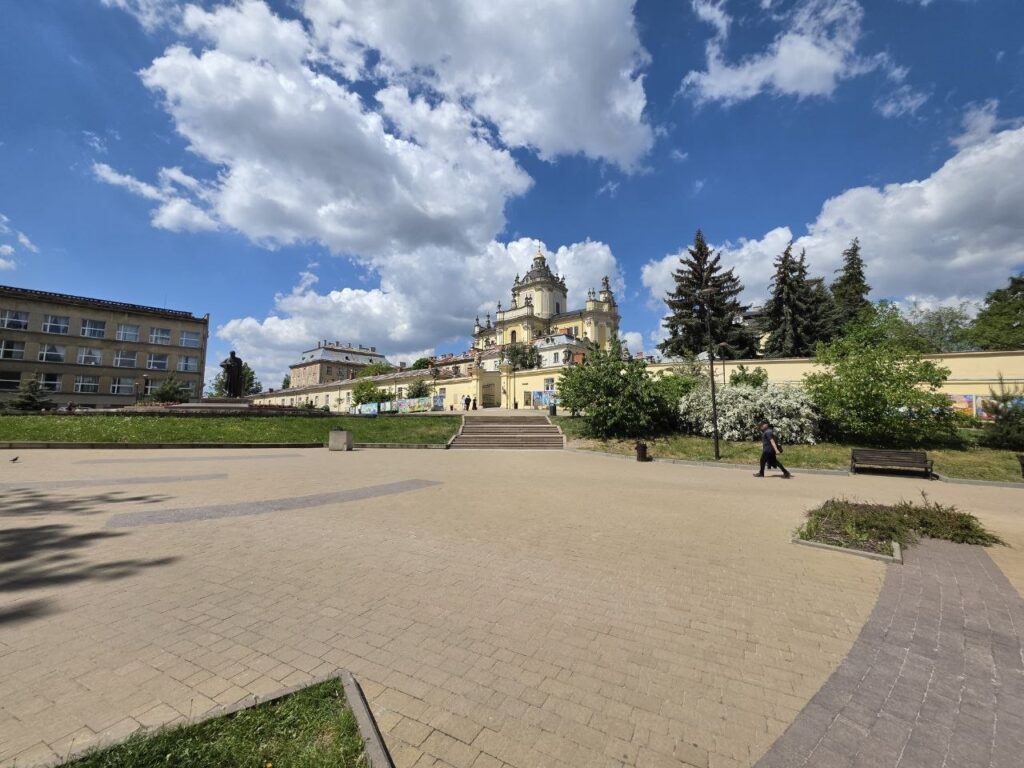
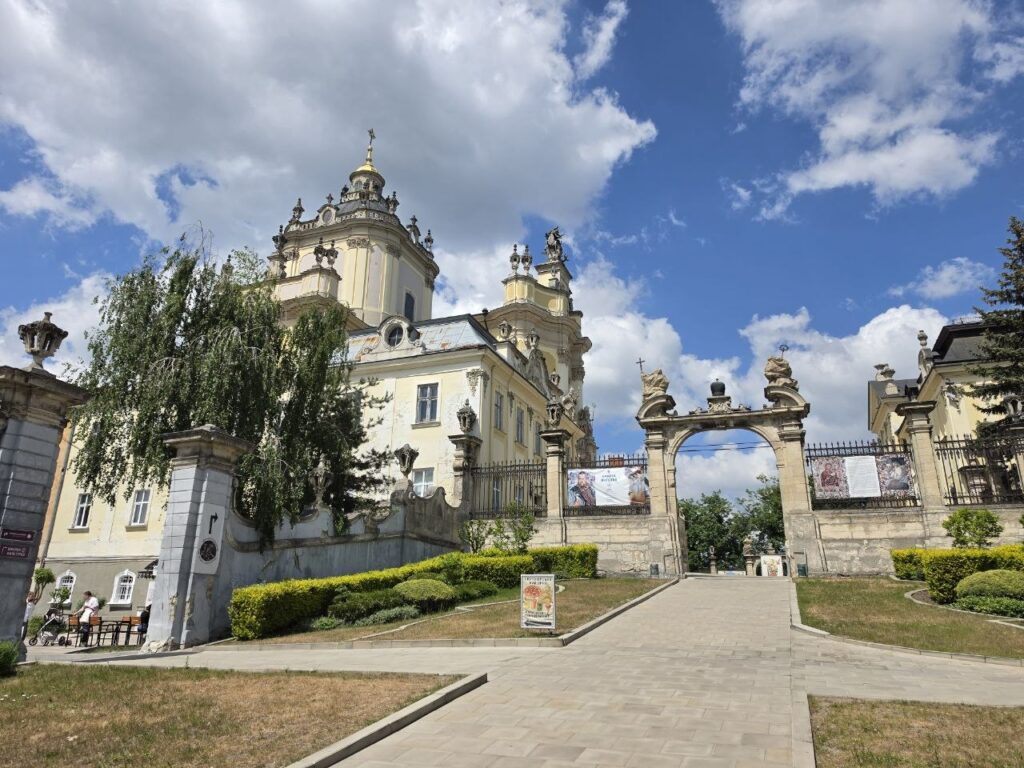
From the square, steps and a gate with Baroque vases lead up to the cathedral. Beyond it lies a courtyard surrounded by the Metropolitan’s Palace.
History of St. George’s Cathedral
According to tradition, a monastic settlement appeared on this hill as early as the 13th century. The earliest written evidence is the inscription on the bell, cast in 1341 under Prince Dmytro. Sources disagree on the date of the first stone church, giving either 1363 or 1437.
The present cathedral was founded in 1744 on the initiative of Metropolitan Atanasiy Sheptytsky. It was designed by the architect Bernard Meretyn, who led the construction until his death in 1759. Klemens Fesinger completed the work. The building was finished in 1762, and the interior decoration continued until 1770.
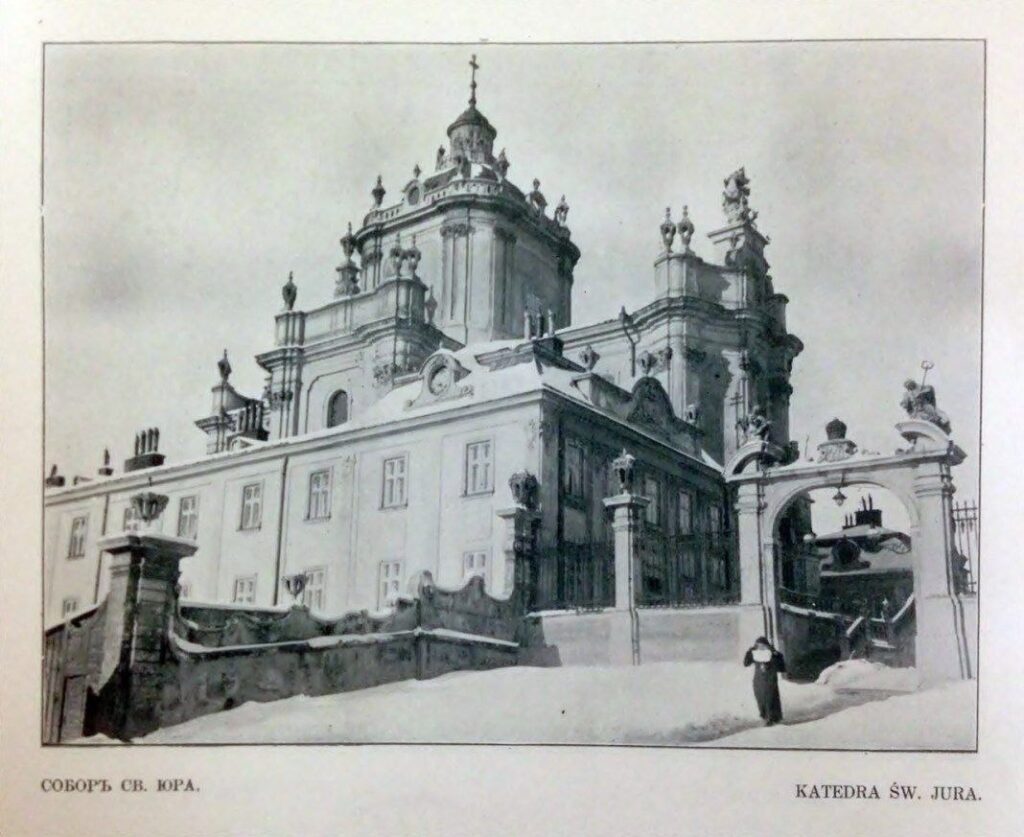
In 1946, after the so-called Lviv “Sobor”, the cathedral was handed over to the Russian Orthodox Church. The Greek Catholic community regained it only in 1990. Today it is the archcathedral of the Ukrainian Greek Catholic Church.
Architecture: Baroque, Rococo and Pinsel
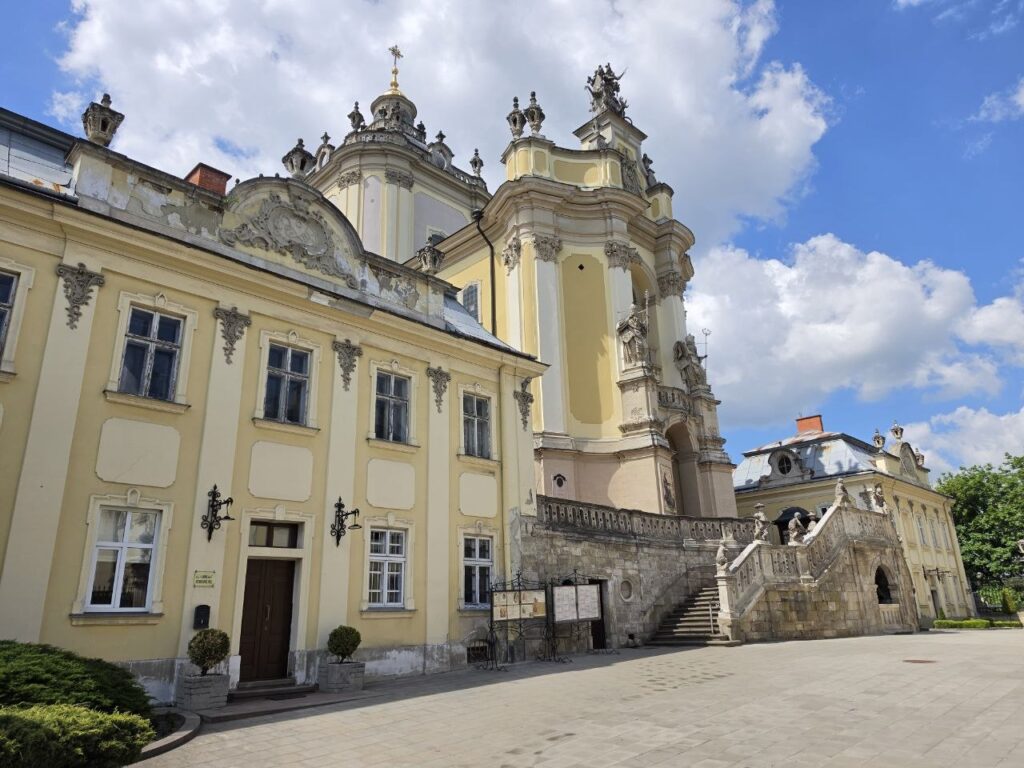
The cathedral combines late Baroque and Rococo: undulating cornices, vases, stucco cartouches and light decorative details. The building stands on a high terrace, so a wide ceremonial staircase with a balustrade leads to the main entrance.
The highlight of the façade is the sculpture by Johann Georg Pinsel, the best-known sculptor of Lviv Baroque. Above the attic stands an equestrian statue of St. George defeating the dragon. Figures of the Church Fathers, Saints Athanasius and Leo, flank the entrance.
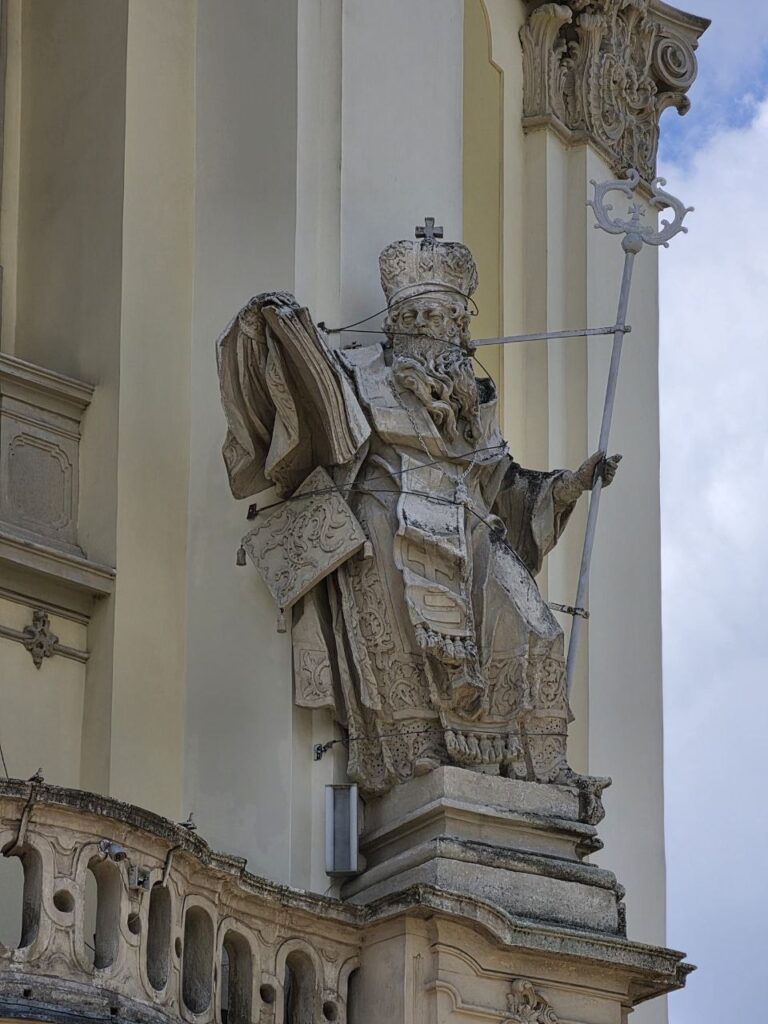
The cathedral is the centre of a whole ensemble. It includes the Metropolitan’s Palace, built in the 1760s, and the bell tower, erected in 1828. That is where the 1341 bell hangs.
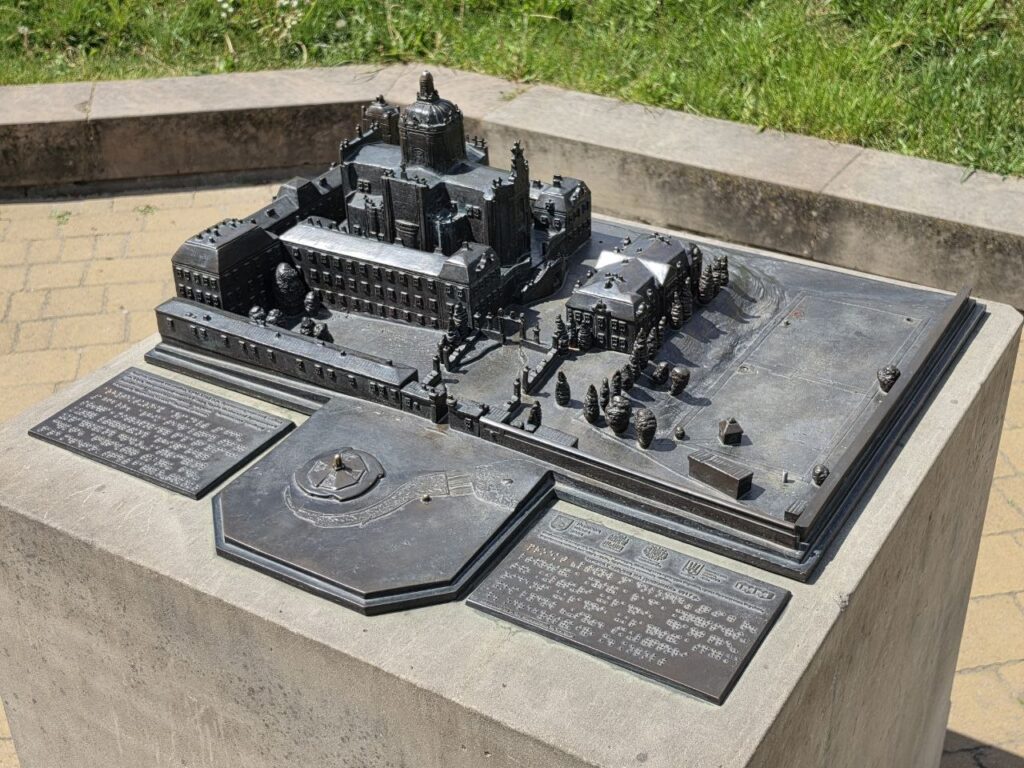
In front of the ensemble stands a bronze tactile model. You can explore it by touch, and the inscriptions on the plaques are duplicated in Braille.
What to See Inside
- The iconostasis and altar. The altar icons and oval images of the prophets were painted by Luka Dolynsky.
- Murals. The interior wall paintings were made by Stanisław Fabiański in 1876.
- Sacred objects. The cathedral keeps two miracle-working icons, including the Terebovlia Icon of the Mother of God.
- The crypt. Metropolitan Andrey Sheptytsky, Patriarch Josyf Slipyj and Cardinals Sylvester Sembratovych and Myroslav Ivan Lubachivsky are buried here.
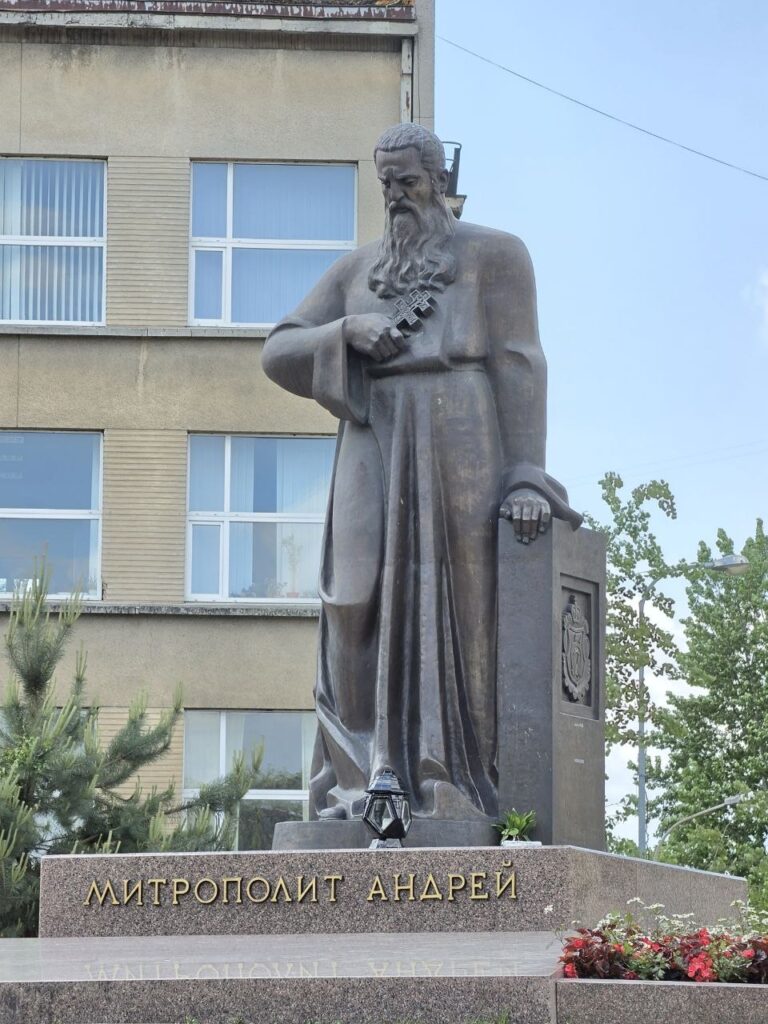
St. George’s Square is home to a monument to Metropolitan Andrey Sheptytsky, one of the most prominent figures of the Church and of Ukrainian Lviv in the first half of the 20th century.
The Metropolitan Gardens
A terraced garden was laid out around the Metropolitan’s Palace in the 1760s–1770s and restored in 2016. In summer, open-air concerts take place in the Metropolitan Gardens; see the schedule and tickets on Kontramarka.ua.
Visiting: Hours and Rules
- Hours. Services are held daily from early morning. The current schedule is on the official cathedral website.
- Dress code. This is an active church, so cover your shoulders and knees.
- During services. Do not use flash photography or walk around the church during the liturgy.
- The crypt and gardens. Check visiting conditions on site or on the cathedral website, as they may change.
Tips for Visitors
- Façade photos. The best angle is from the courtyard by the ceremonial staircase when the sun lights up the golden walls.
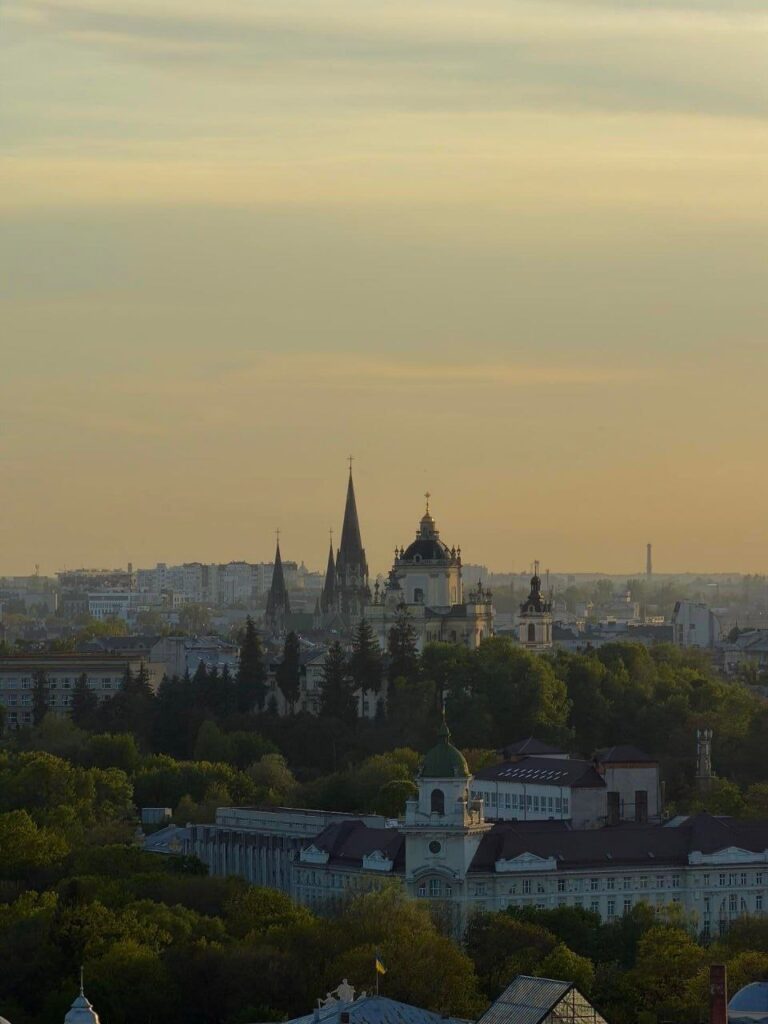
- Panorama. The cathedral’s silhouette and dome look especially good from the city’s viewpoints at sunset.
- Your route. Combine the cathedral with a walk through Franko Park and to the Opera House for a relaxed 2–3-hour walk.
- Time. Allow about an hour for the cathedral and courtyard, or 1.5–2 hours with the gardens.
Where to Stay near St. George’s Cathedral
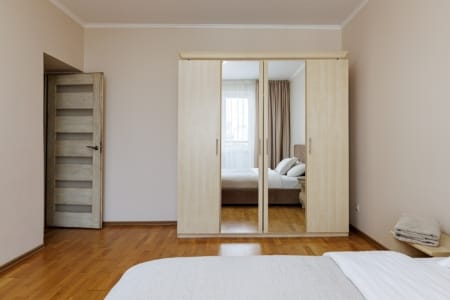
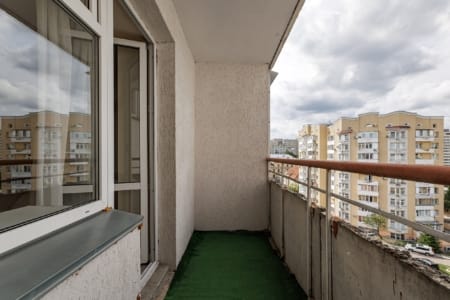
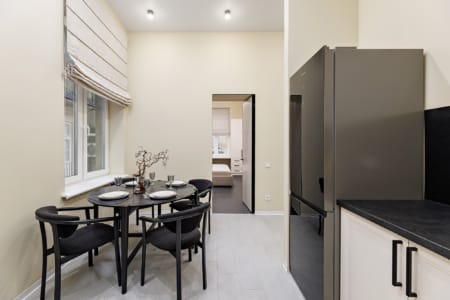
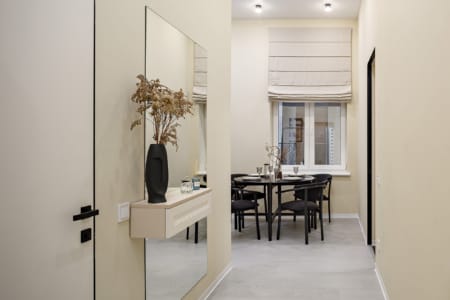
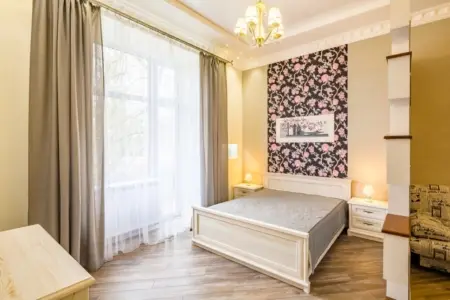
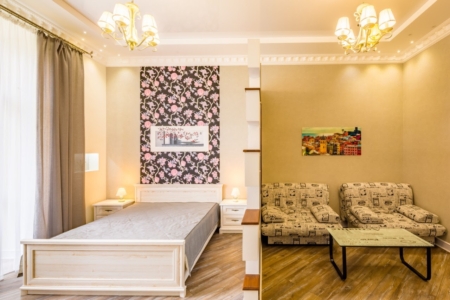
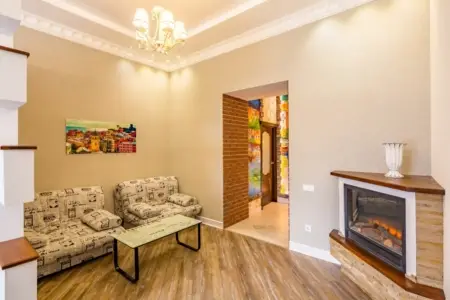
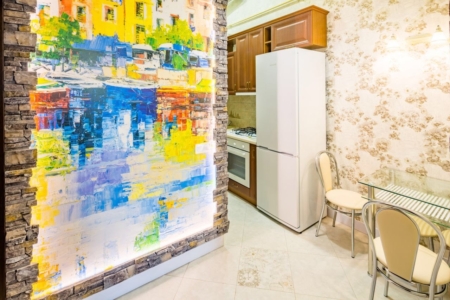
Our cozy studio flat on Lystopadovoho Chynu Street is close to the cathedral, just a few minutes’ walk away. From there it is just as easy to reach Franko Park and the city centre.
See more options in our apartments in Lviv.
Conclusion
St. George’s Cathedral is both a masterpiece of Lviv Baroque with works by Pinsel and a living history of the Ukrainian Church, from the 1341 bell to the crypt with the tombs of metropolitans. Come here not only for great photos but also for the quiet of the Metropolitan Gardens.
Planning a trip? Book a short-term apartment in Lviv near the cathedral: online, directly, with no intermediaries and no commission.
St. George’s Cathedral in Lviv: FAQ
Where is St. George’s Cathedral in Lviv?
At 5 St. George’s Square, on a hill near Ivan Franko Park.
When was St. George’s Cathedral built?
The present cathedral was built in 1744–1762 to a design by Bernard Meretyn; Klemens Fesinger completed the construction.
Who made the sculptures on the façade?
Johann Georg Pinsel: the equestrian statue of St. George above the attic and the figures of Saints Athanasius and Leo by the entrance.
Who is buried in the crypt?
Metropolitan Andrey Sheptytsky, Patriarch Josyf Slipyj and Cardinals Sylvester Sembratovych and Myroslav Ivan Lubachivsky.
What is special about the cathedral bell?
It was cast in 1341 and is the oldest bell in Ukraine. It hangs in the cathedral bell tower.
What are the Metropolitan Gardens?
A terraced garden around the Metropolitan’s Palace, laid out in the 1760s–1770s and restored in 2016. Concerts are held here in summer; see the schedule on Kontramarka.ua.



















Join the discussion