
Museum of the History of Religion in Lviv: Dominican Monastery, Underground and Organ Music
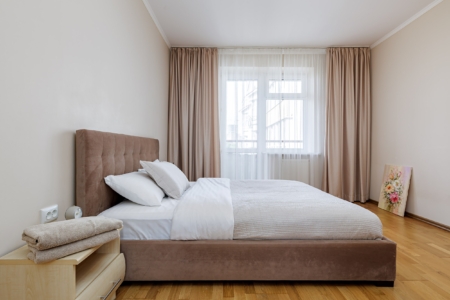
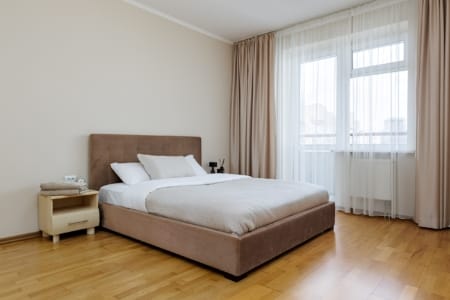
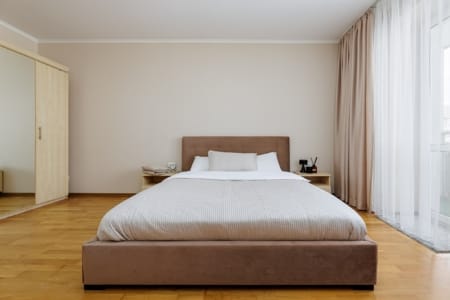
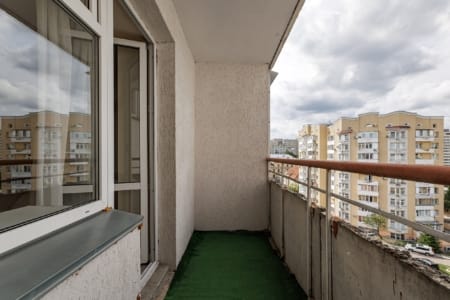
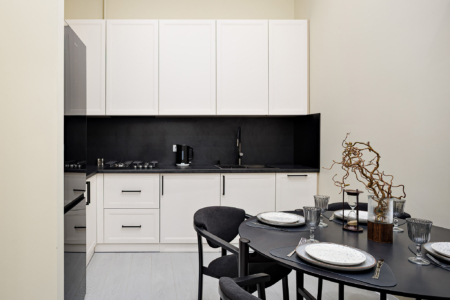
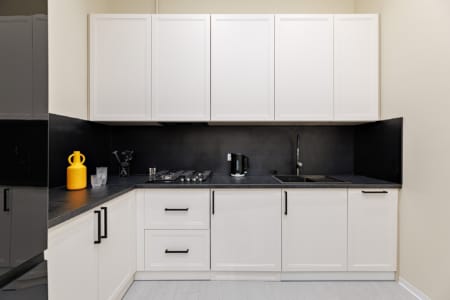
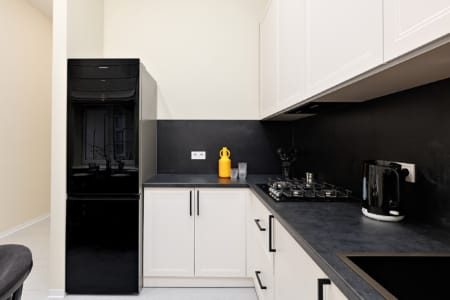
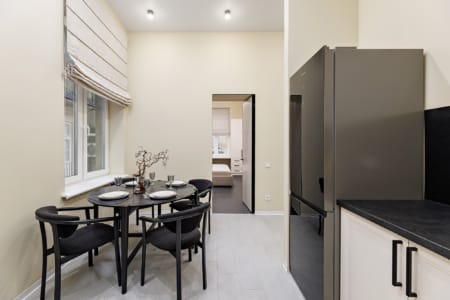
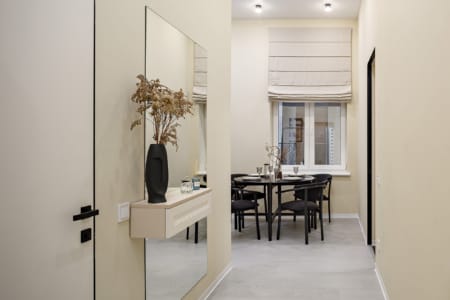
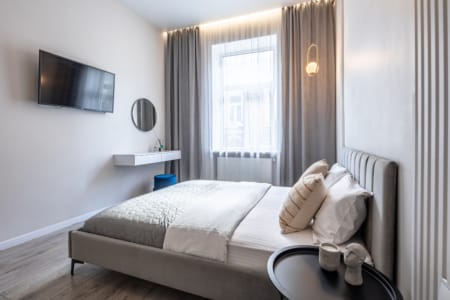
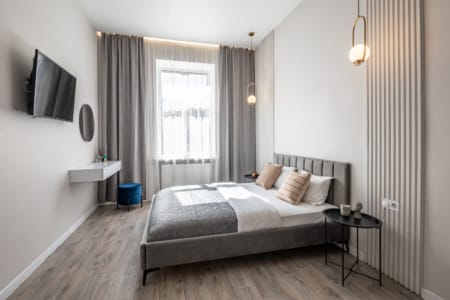
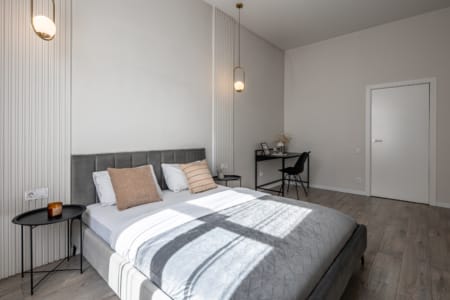
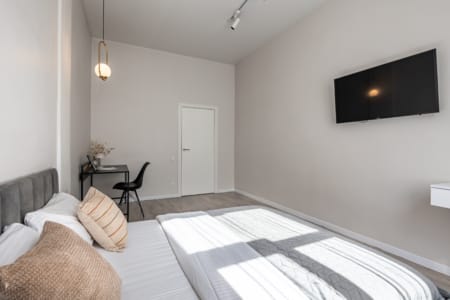
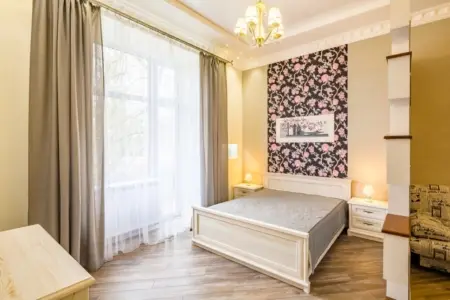
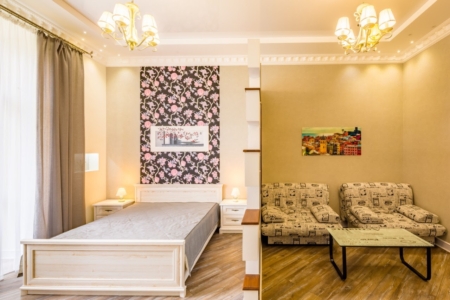
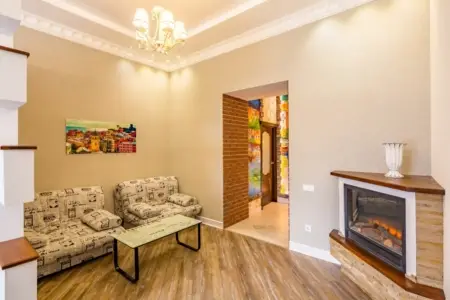
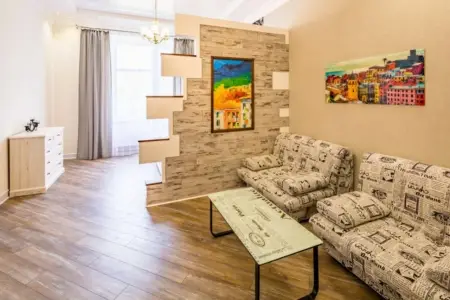
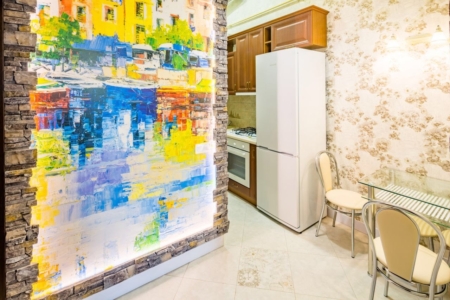
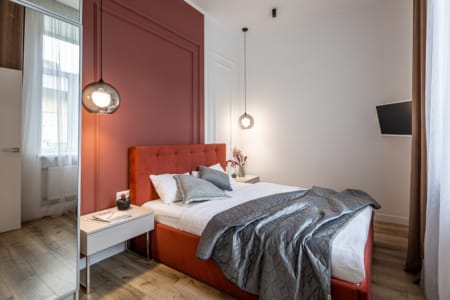
 Leo Apartment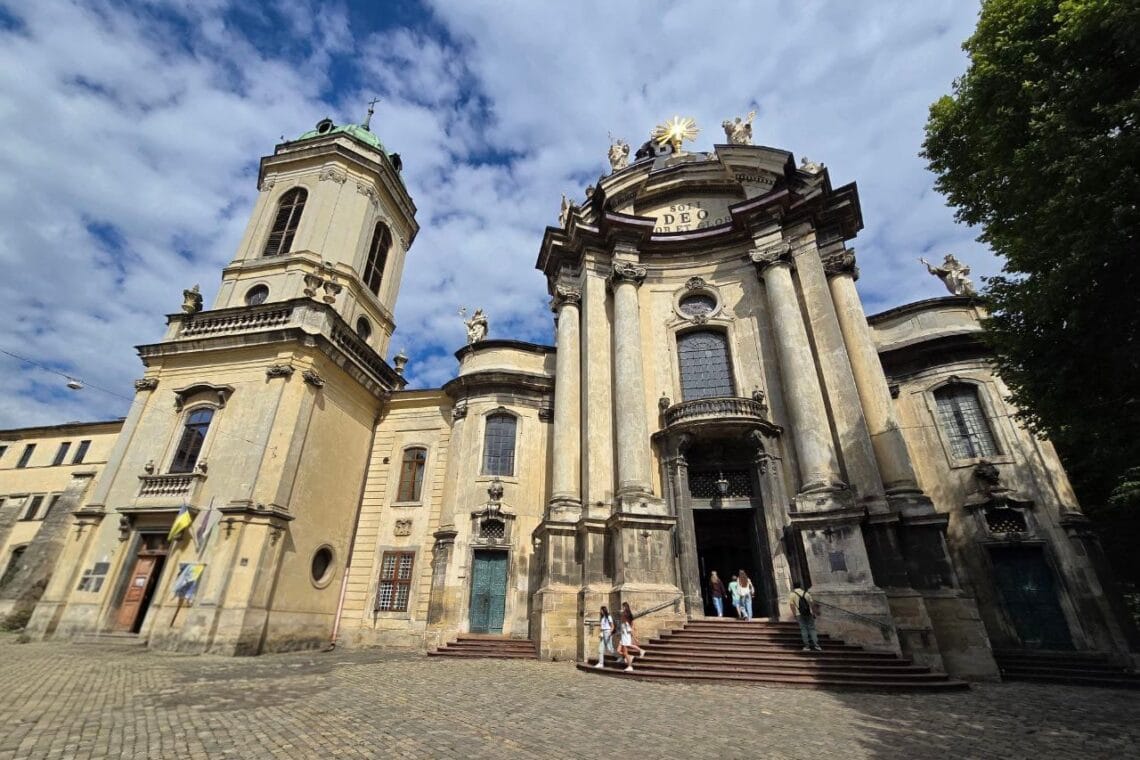
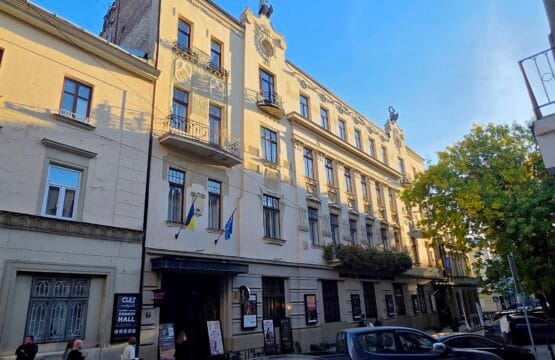
The Lviv Museum of the History of Religion is the only museum of its kind in Ukraine and one of very few in the world. It occupies the former Dominican monastery at 1 Muzeina Square, right next to the Dominican Cathedral. Its collection holds more than 60,000 items: icons, rare Bibles and religious objects from many faiths.
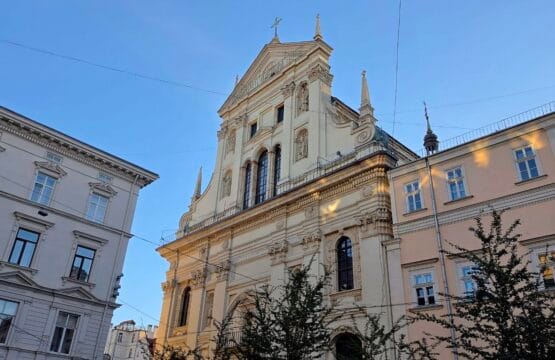
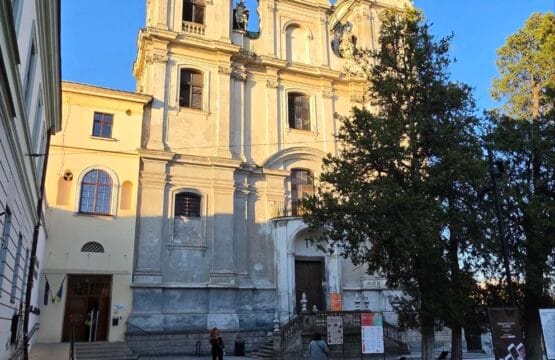
The monastery itself is an architectural monument of national importance, built between the 14th and 18th centuries. So even now, while the most valuable collections are hidden away because of the war, it is worth a visit for the Gothic courtyard, the underground passages and the organ concerts.
Where Is the Museum?
The address is 1 Muzeina Square, in the eastern part of the Old Town, a few minutes’ walk from Rynok Square.
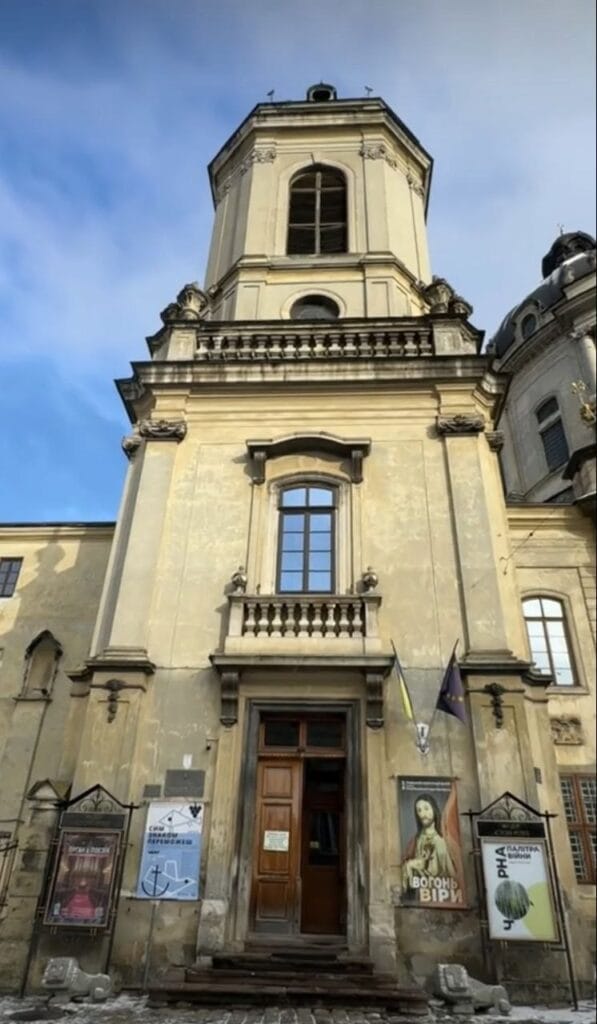
Nearby you can easily see:
- the Dominican Cathedral, the former church of the same monastery;
- the Armenian Quarter, along Virmenska Street;
- Na Valakh Park with the Gunpowder Tower.
History: from Dominican Monastery to Museum
The story of the site begins in 1377, when Władysław of Opole gave the Dominican friars three villages near Lviv: Krotoshyn, Zashkiv and Koshchiiv. The monastery courtyard with its Gothic portico survives from that period.
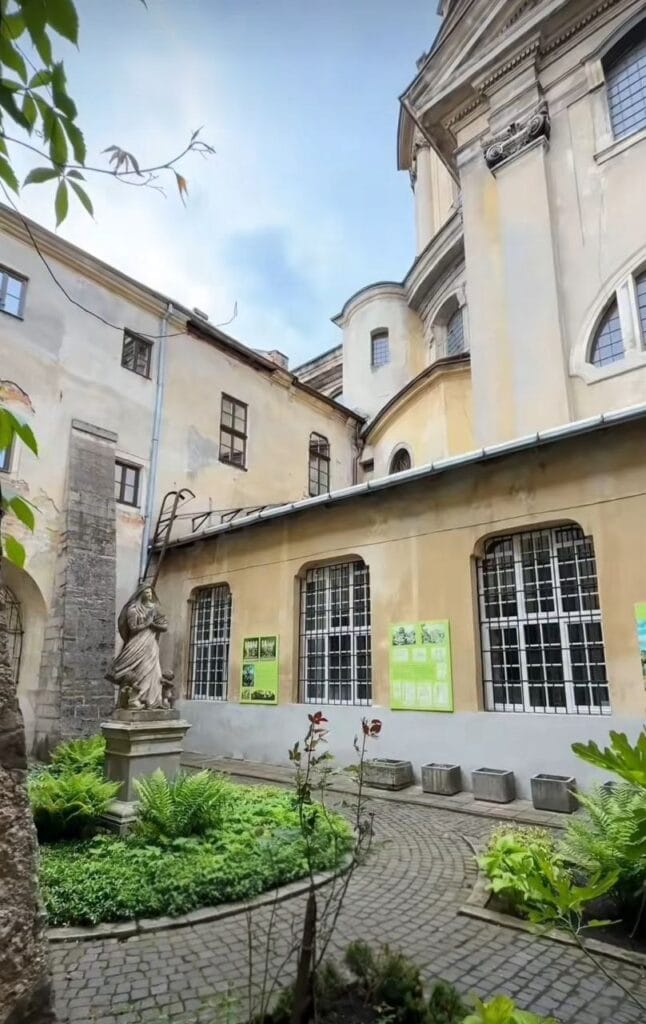
The monastery worked like a small town. It had an archive, a hospital, a library, a pharmacy, an arsenal and even a prison for monks. Water came through a wooden pipeline from the foot of the Lychakiv hills. In the early 17th century about a hundred monks lived here.
The First Theatre Performances in Lviv
The monastery ran a secular school. Its account book records spending on school plays in 1550 and 1556 — the earliest known mentions of theatre performances in Lviv.
From Gothic Church to Baroque Cathedral
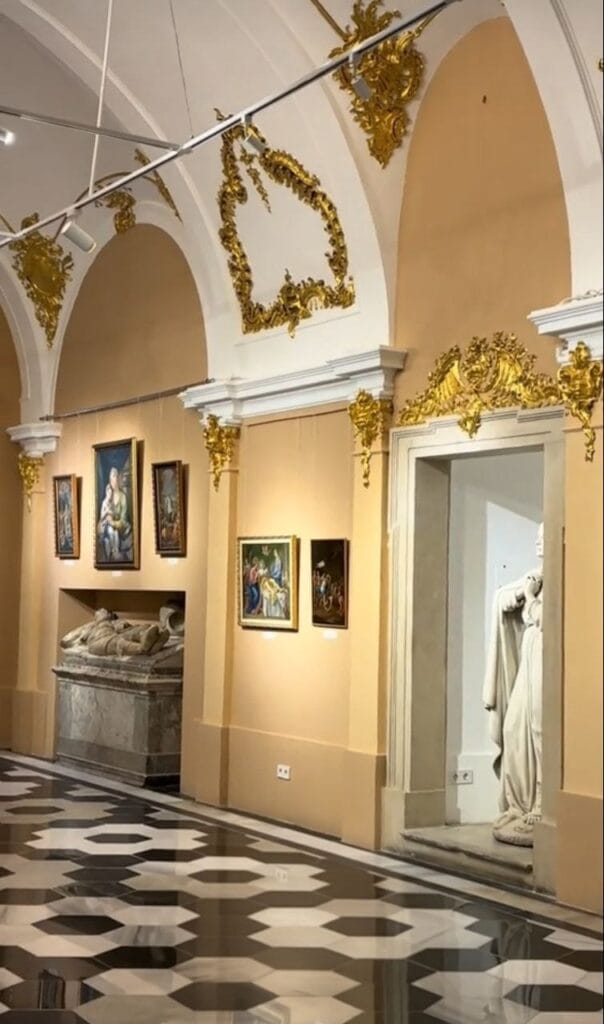
The Gothic Corpus Christi church with its four chapels was pulled down in the mid-18th century. In its place rose today’s Baroque church, designed by Jan de Witte; it is now the Greek Catholic Church of the Holy Eucharist. The monastery refectory had already been rebuilt in the 17th century and decorated with gilded stucco and wall paintings.
Researchers believe that the monastery walls preserve parts of a building from the 13th-century princely era. This is also supported by the “Diary” of the Dominican monk Martin Gruneweg, the oldest known description of Lviv.
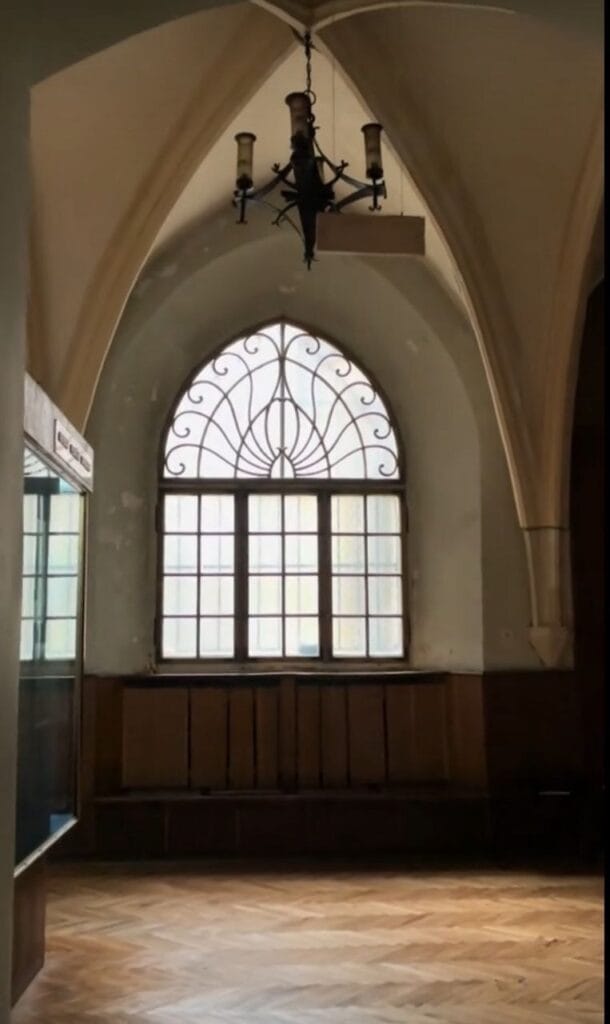
The Museum
The museum was founded in 1973 as the “Museum of the History of Religion and Atheism” and later renamed. Today it tells the story of the world’s religions and of the churches traditional for Ukrainian lands.
What to See in the Museum Now
Before the full-scale invasion, the museum displayed exhibitions on the religions of the Ancient World, Judaism, Christianity, Islam and Buddhism. Those items are now stored in safety. The museum is still open, and visitors can see:
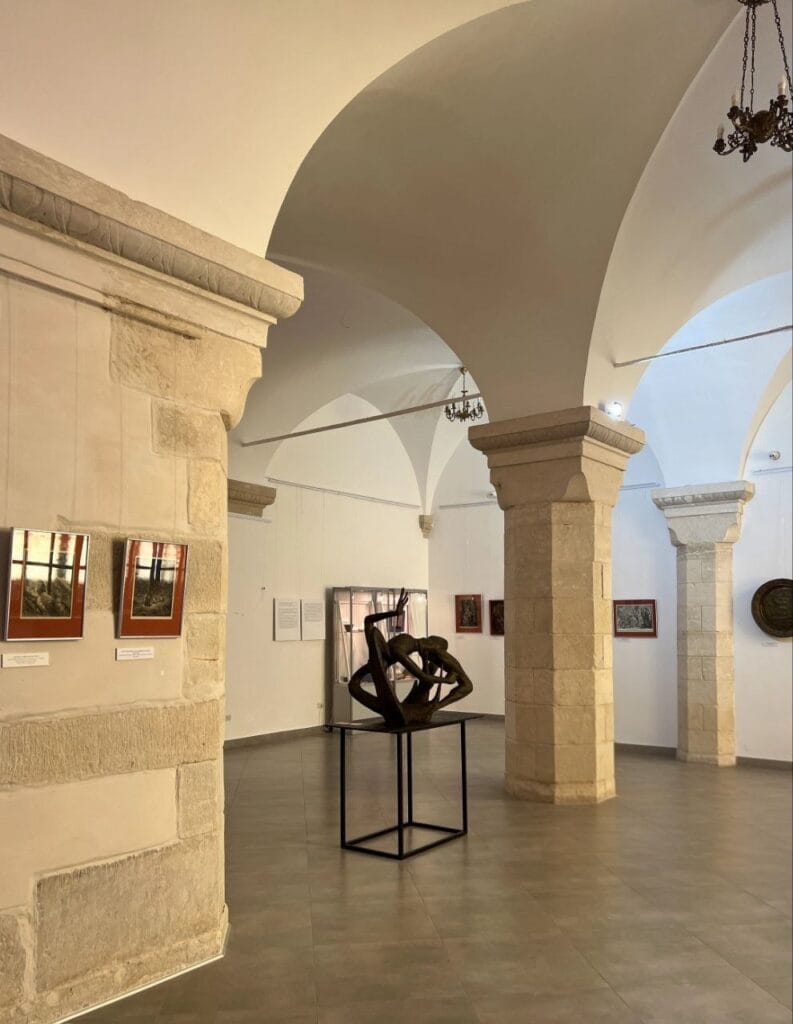
- permanent and temporary exhibitions in the exhibition halls;
- the underground of the former Dominican monastery — on your own or with a guide; costumed tours are available for groups;
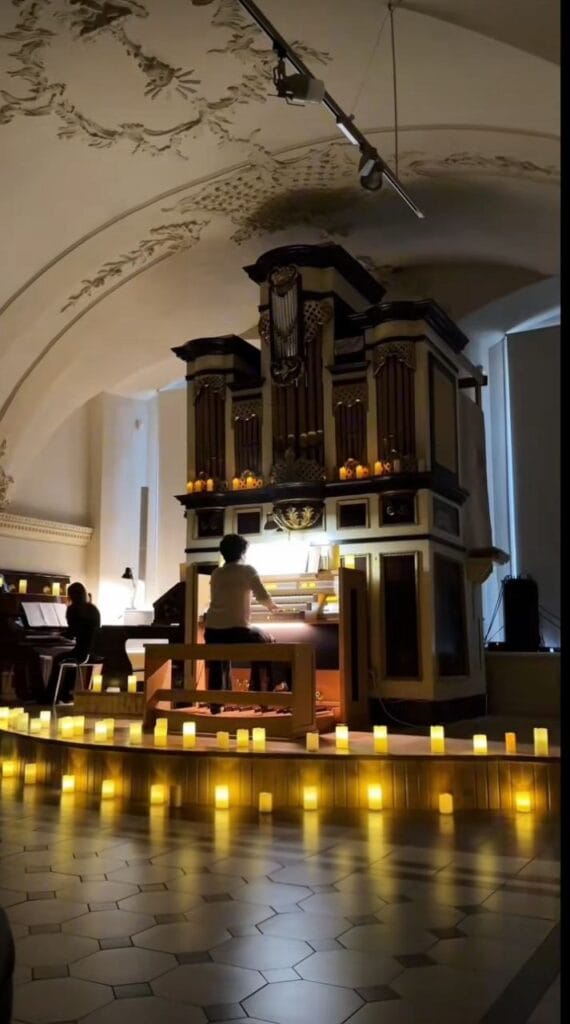
- organ and classical music concerts;
- general and themed tours, quests and workshops.
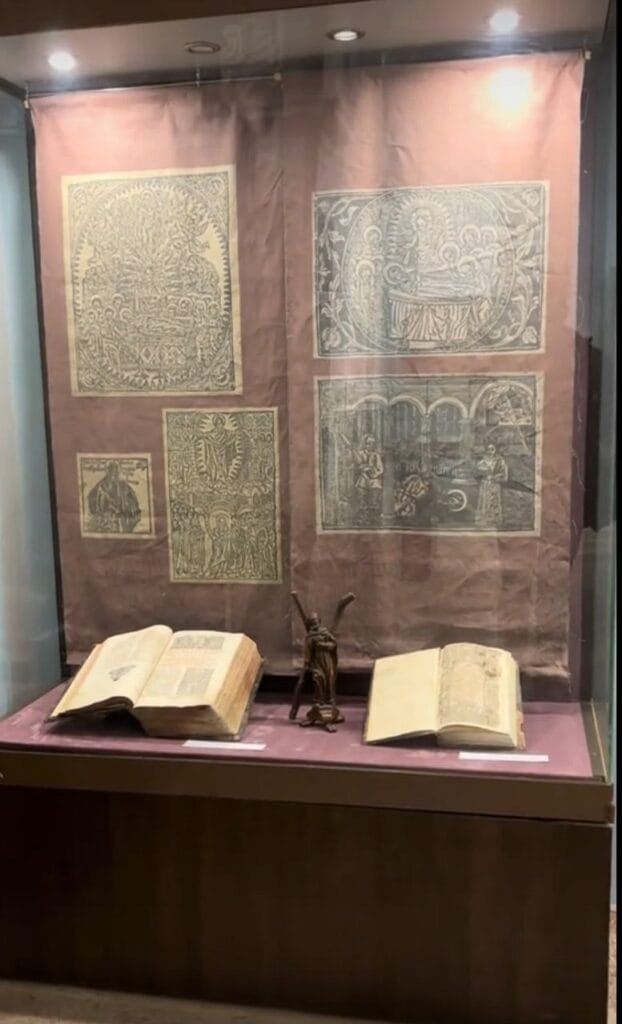
Before your visit, check the official museum website to see which exhibitions are currently open.
The “Those Who Saved the World” Exhibition
A separate exhibition, “Those Who Saved the World”, is open at 36 Staroievreiska Street. It tells how the Ukrainian Greek Catholic Church rescued Jews during the Second World War. The exhibition is included in the museum’s entrance ticket.
Tickets and Opening Hours
- Address: 1 Muzeina Square.
- Opening hours: Tuesday–Sunday, 10:00–18:00; closed on Mondays.
- Entrance ticket (exhibition halls, underground, “Those Who Saved the World”): UAH 100, students UAH 60, concessions UAH 50.
- Free entry: on the last Friday of every month for all concession groups.
- Guided tours and organ concerts are paid separately — see the museum website for current prices.
Prices and hours are as of October 2026. Tickets can be bought online on the museum website.
Tips for Visitors
- Time. Allow 1–1.5 hours for the exhibitions and the underground.
- Shoes. The underground has old walls and stairs, so comfortable shoes help.
- Route. Combine the museum with the Dominican Cathedral and the Armenian Quarter — they are all close by.
- Rainy day. The museum is a good plan for bad weather. Another option nearby is the Museum of Ethnography and Arts and Crafts.
- Monday is a day off, so plan your visit for another day.
Where to Stay Nearby
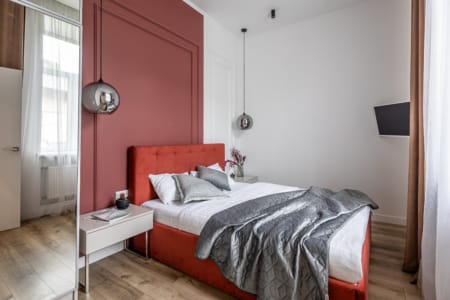
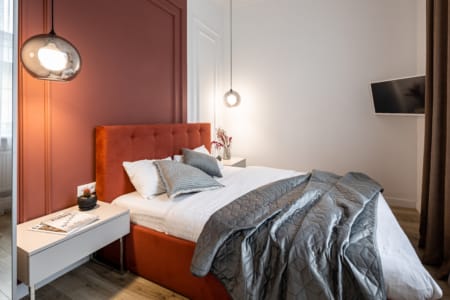
Several of our apartments are a few minutes’ walk from Muzeina Square:
- apartment on Krakivska Street;
- one-bedroom apartment and studio apartment on Danyla Halytskoho Square.
See more options in short-term apartments in Lviv.
Conclusion
The Museum of the History of Religion is both a museum and a monastery: more than six centuries of history, a Gothic courtyard, underground passages and organ music. Even now, with the main collections hidden, it is worth an hour or two of your Old Town walk.
Planning a trip? Book an apartment in Lviv close to the centre — online, directly, with no intermediaries and no booking fee.
Museum of the History of Religion: FAQ
Where is the Museum of the History of Religion in Lviv?
At 1 Muzeina Square, in the former Dominican monastery in the Old Town.
How much is the entrance ticket?
UAH 100, students UAH 60, concessions UAH 50 (October 2026). The ticket includes the exhibition halls and the underground.
When is the museum open?
Tuesday to Sunday, 10:00–18:00. Closed on Mondays.
Can I see the main exhibitions?
The most valuable items are currently hidden because of the war. Exhibitions, the underground, concerts and tours are open.
Does the museum hold concerts?
Yes, organ and classical music concerts. See the museum website for the schedule and prices.
How is the museum connected to the Dominican Cathedral?
They are one monastery complex: the cathedral is the former Dominican church, and the museum is in the monastery buildings.





Join the discussion