
Rynok Square in Lviv: History, Townhouses, Fountains and Tips
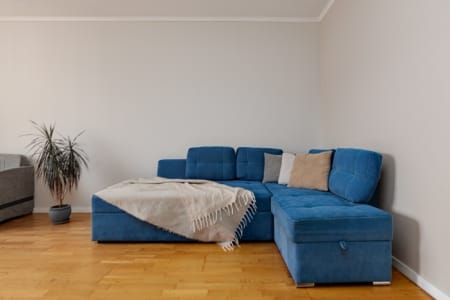
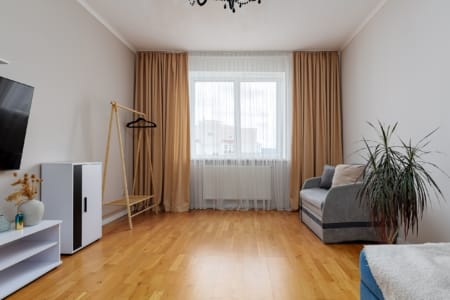
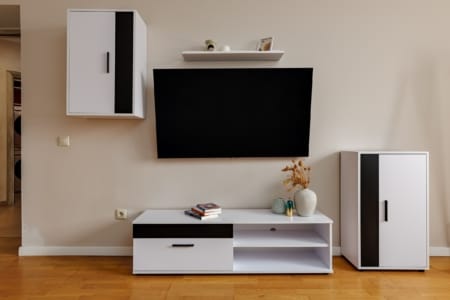
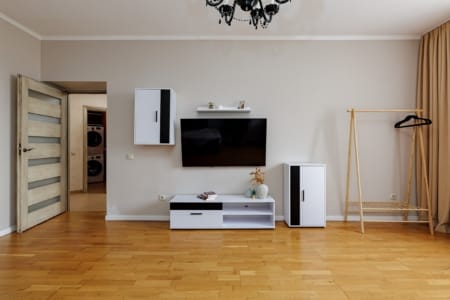
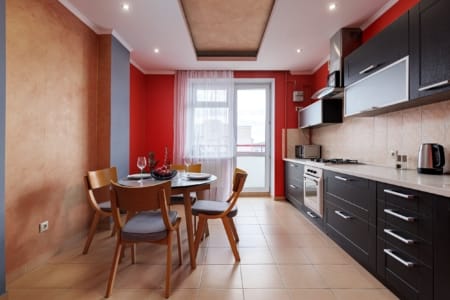
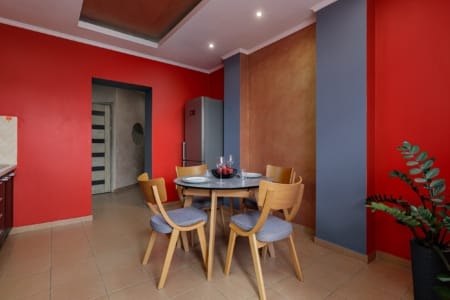
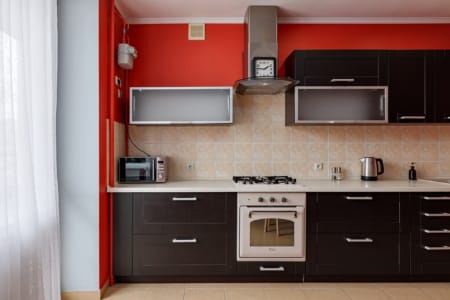
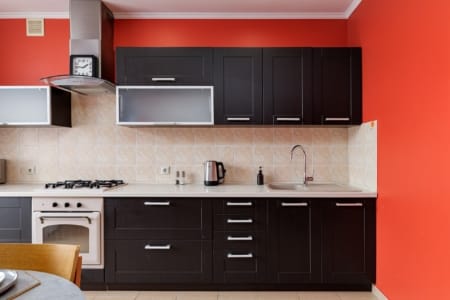
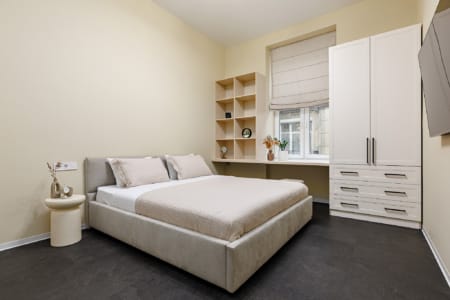
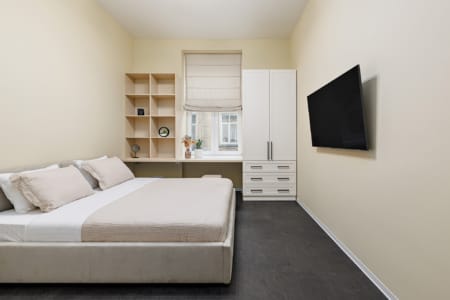
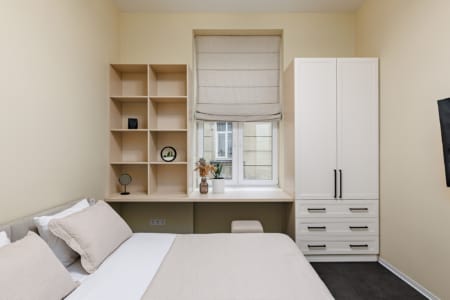
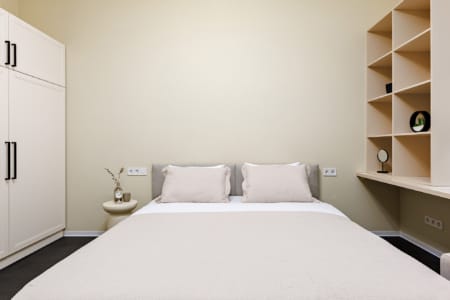
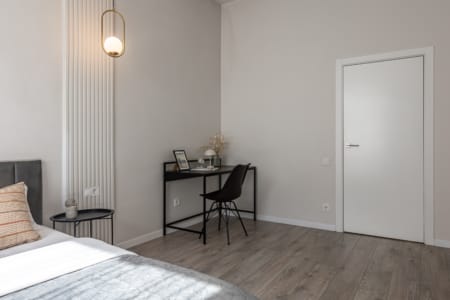
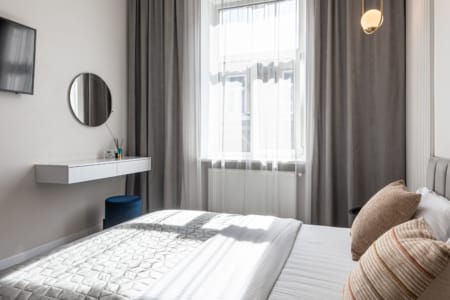
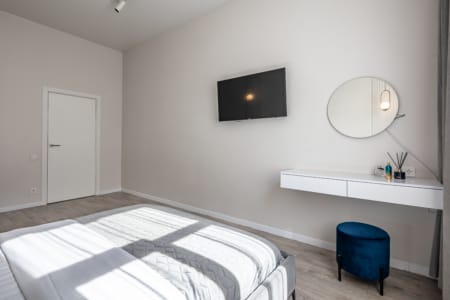
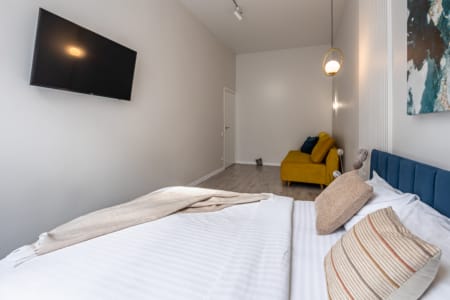
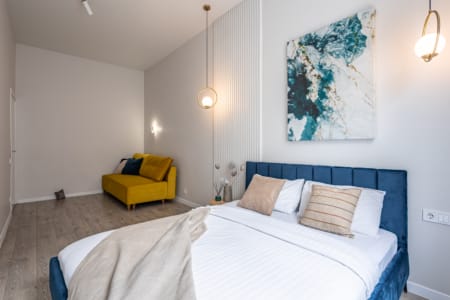
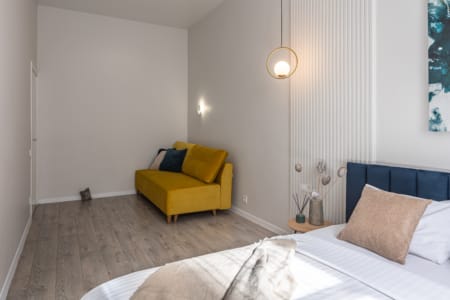
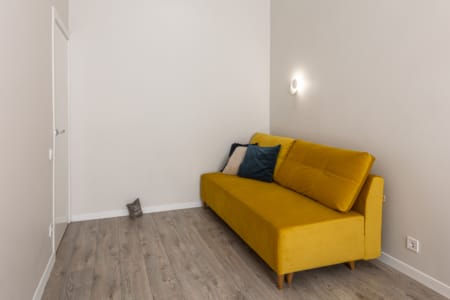
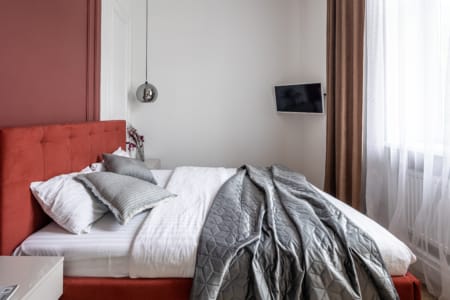
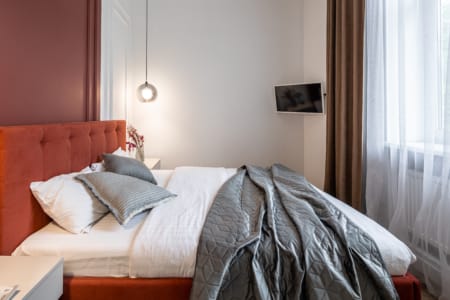
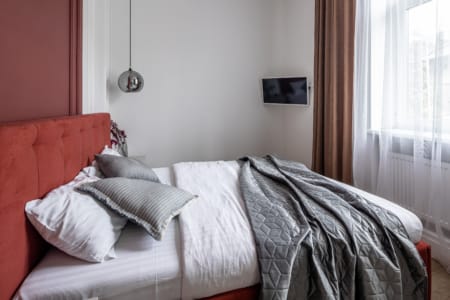
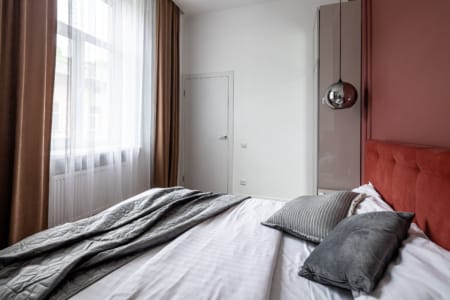
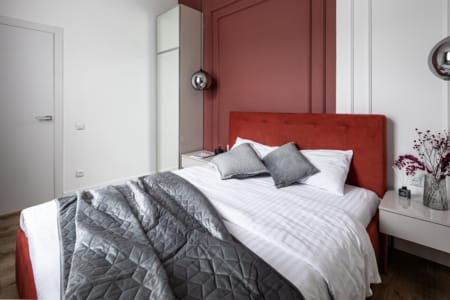
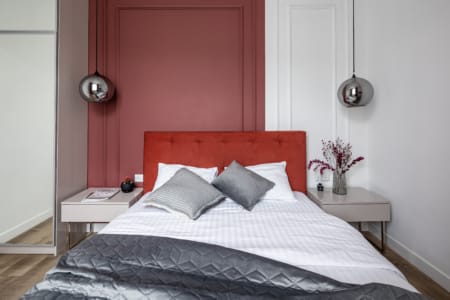
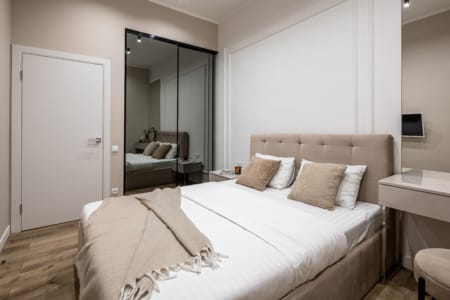
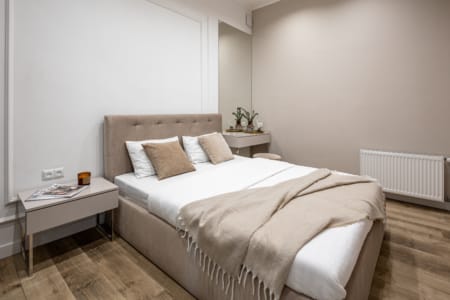
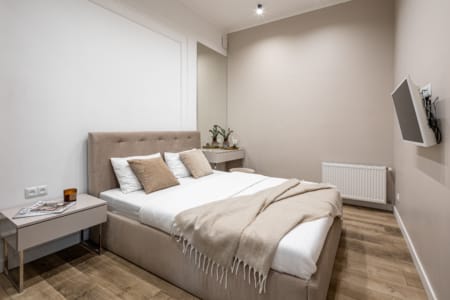
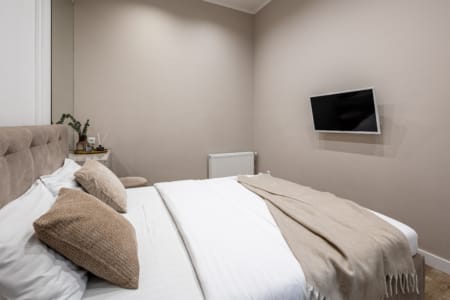
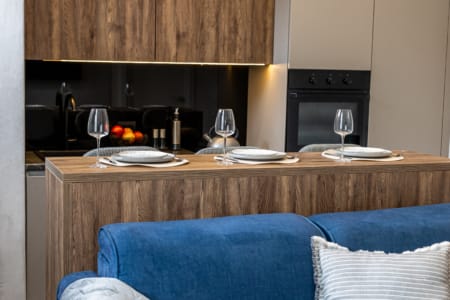
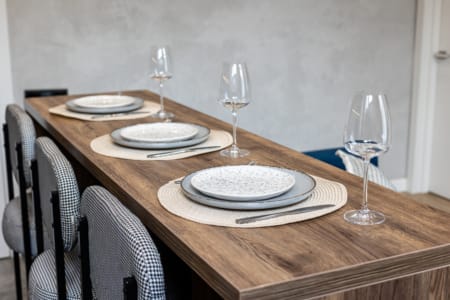
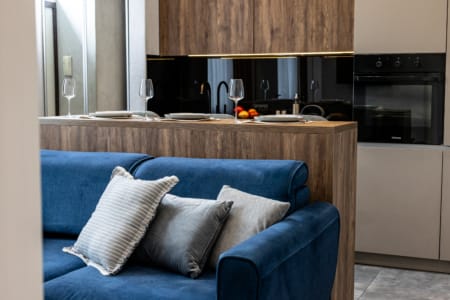
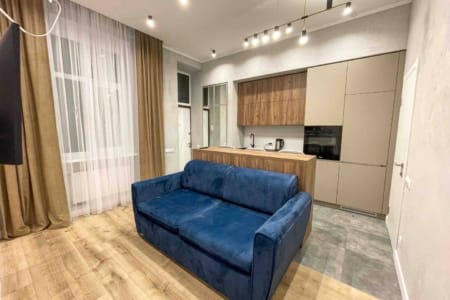
 Leo Apartment
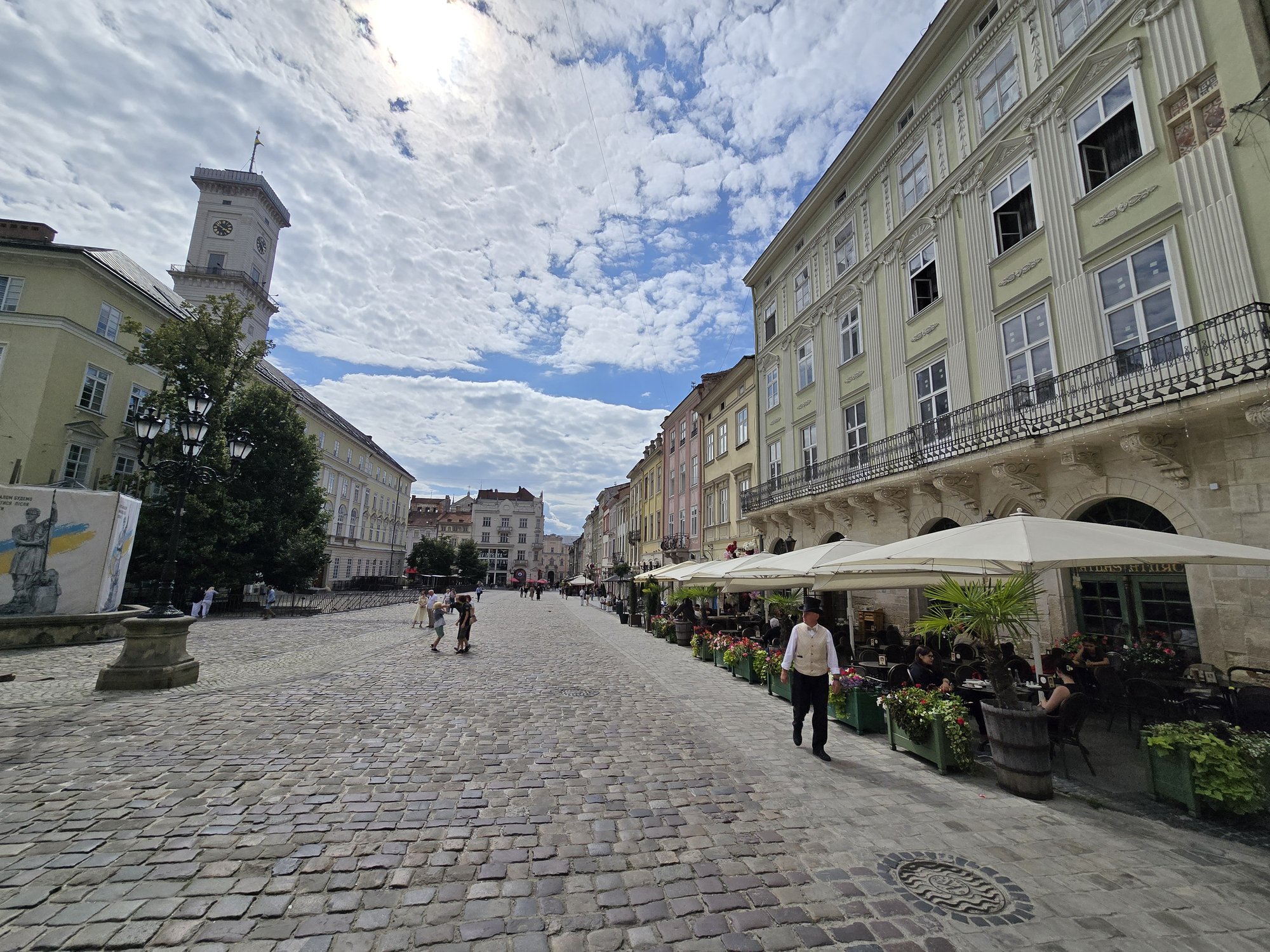
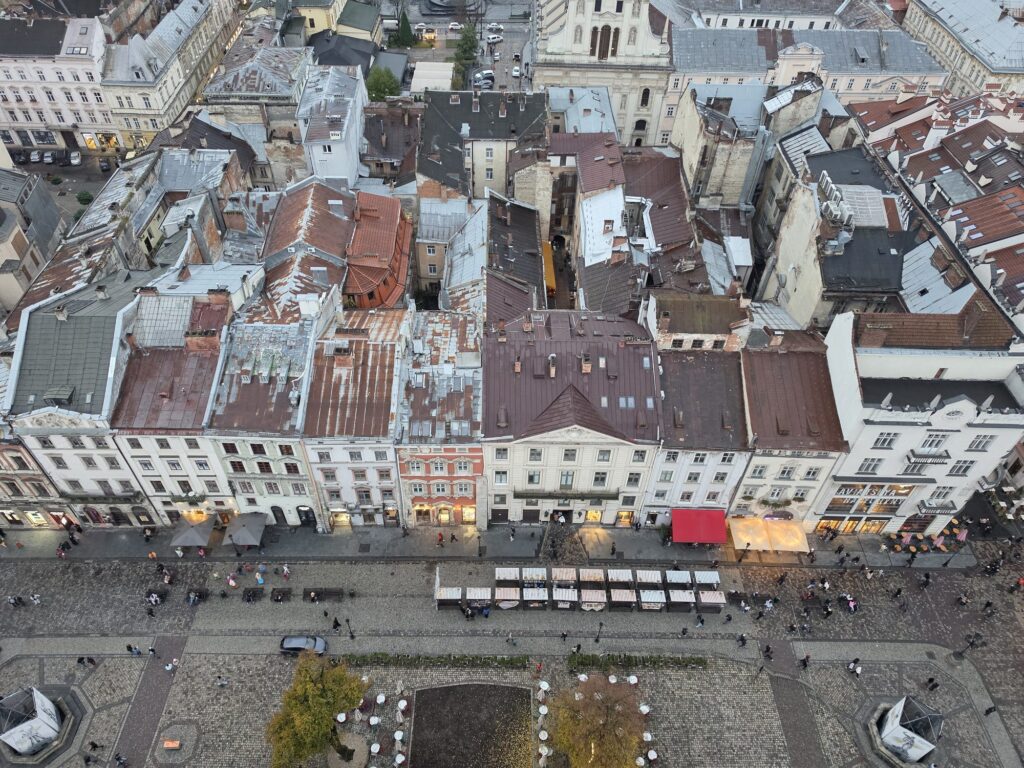
Rynok Square in Lviv has been the city’s main square for more than seven centuries. It is lined with 44 townhouses from different eras, and the City Hall with its 65-metre tower stands in the middle.
Together with the whole historic centre, the square is a UNESCO World Heritage Site. Here is the history of Rynok Square, its most interesting buildings and fountains, and how to see it without the crowds.
Where Is Rynok Square
The square lies at the very centre of the Old Town. Ruska, Shevska, Halytska, Drukarska, Stavropihiiska and other streets lead to it, and Svobody Avenue with the Opera House is a few minutes’ walk away.
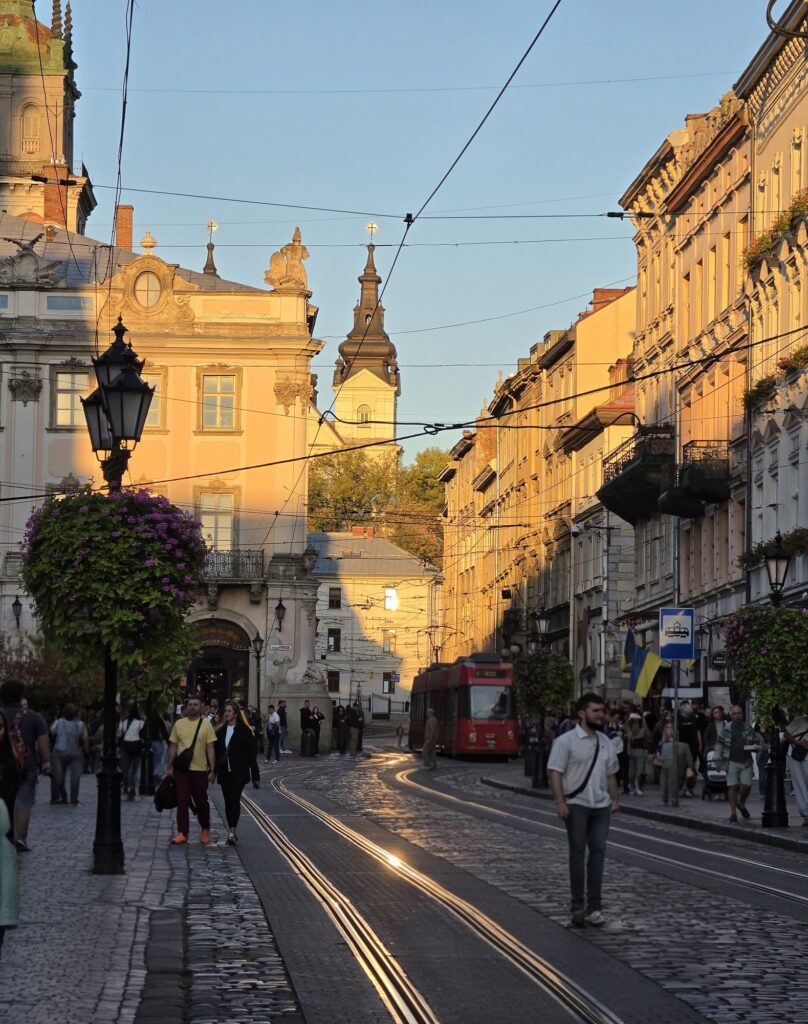
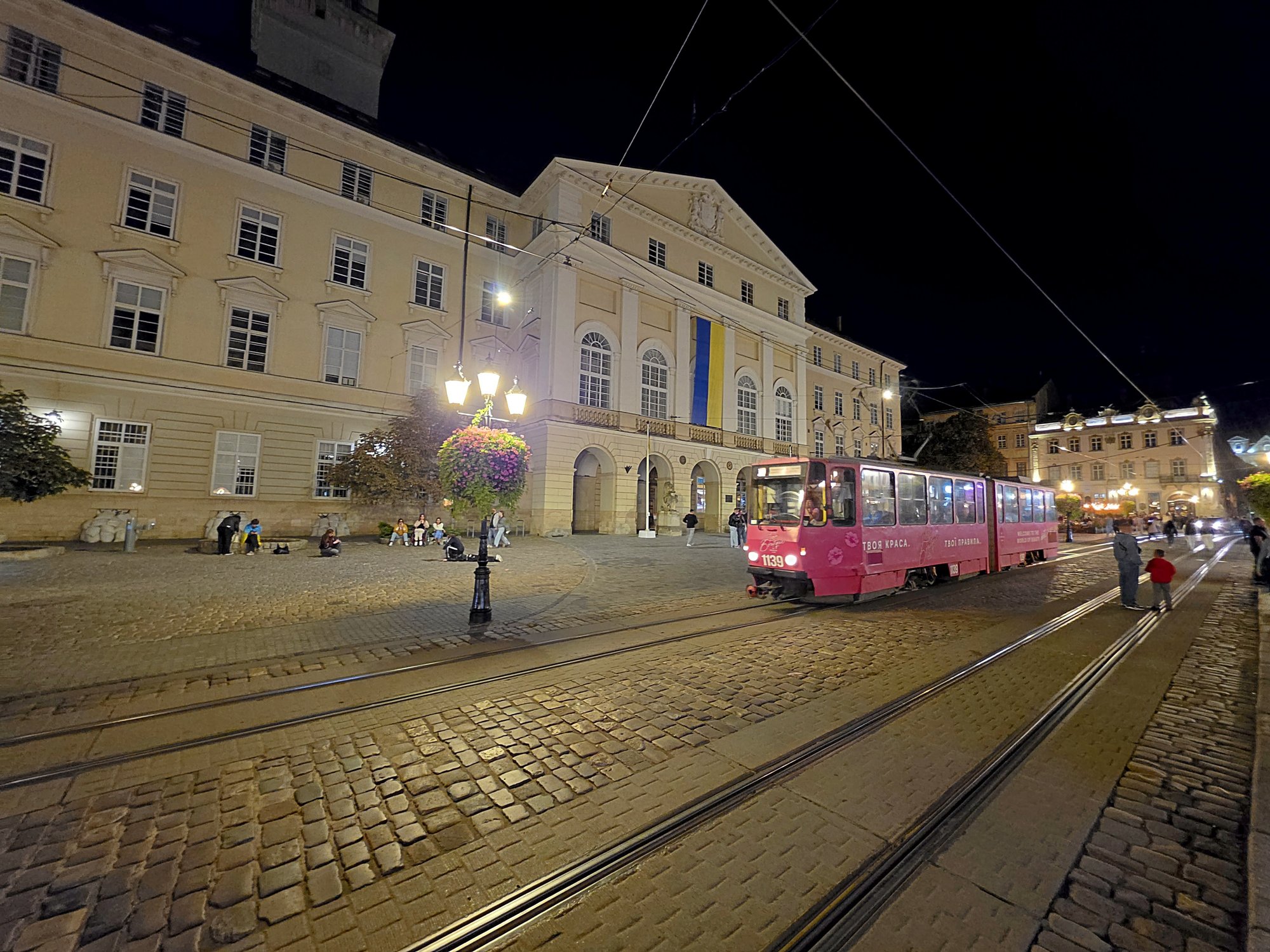
Rynok is a pedestrian zone: only trams cross the square, and retractable bollards keep other traffic out.
History of Rynok Square
The Medieval City
The square appeared together with the medieval city, which was planned on the model of Western European towns. In 1356 King Casimir III granted Lviv Magdeburg rights, and Rynok became the centre of city life: people traded, held trials and announced news here.
The earliest city council records call the square circulo, from the German Ring. It measures about 142 by 129 metres. The square and the main streets were paved as early as 1452.
Townhouses after the Fire of 1527
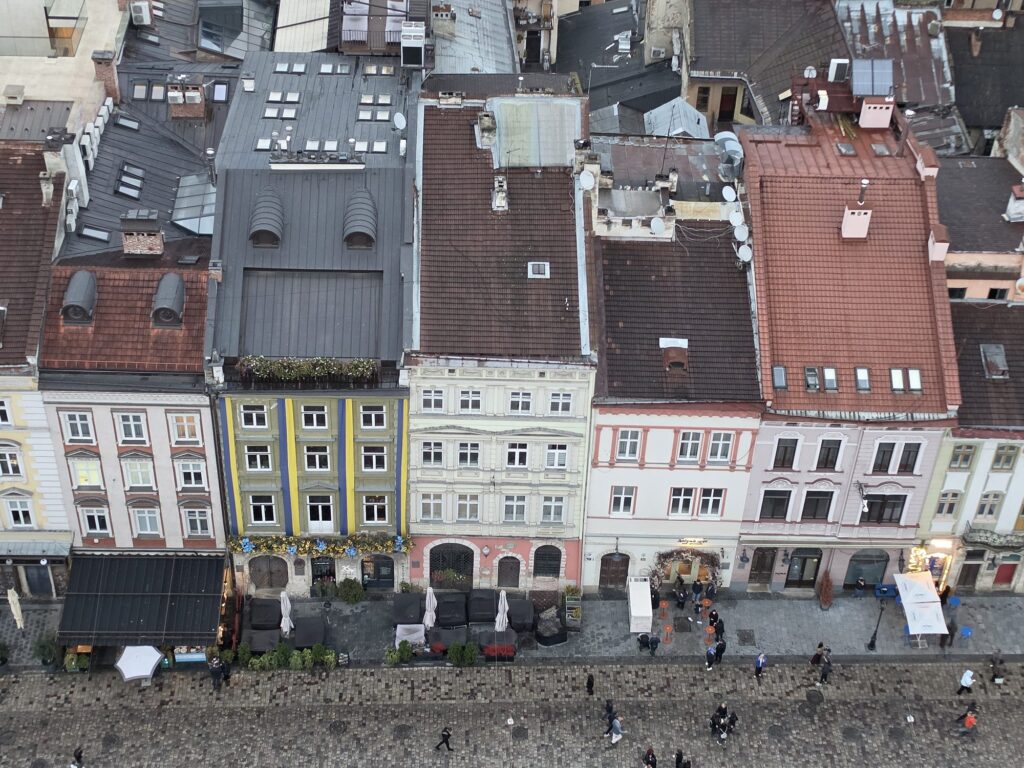
The great fire of 1527 destroyed the wooden buildings, and from then on houses were built only of stone and brick. That is how the Renaissance townhouses appeared, which merchants decorated with carved portals, coats of arms and Latin inscriptions.
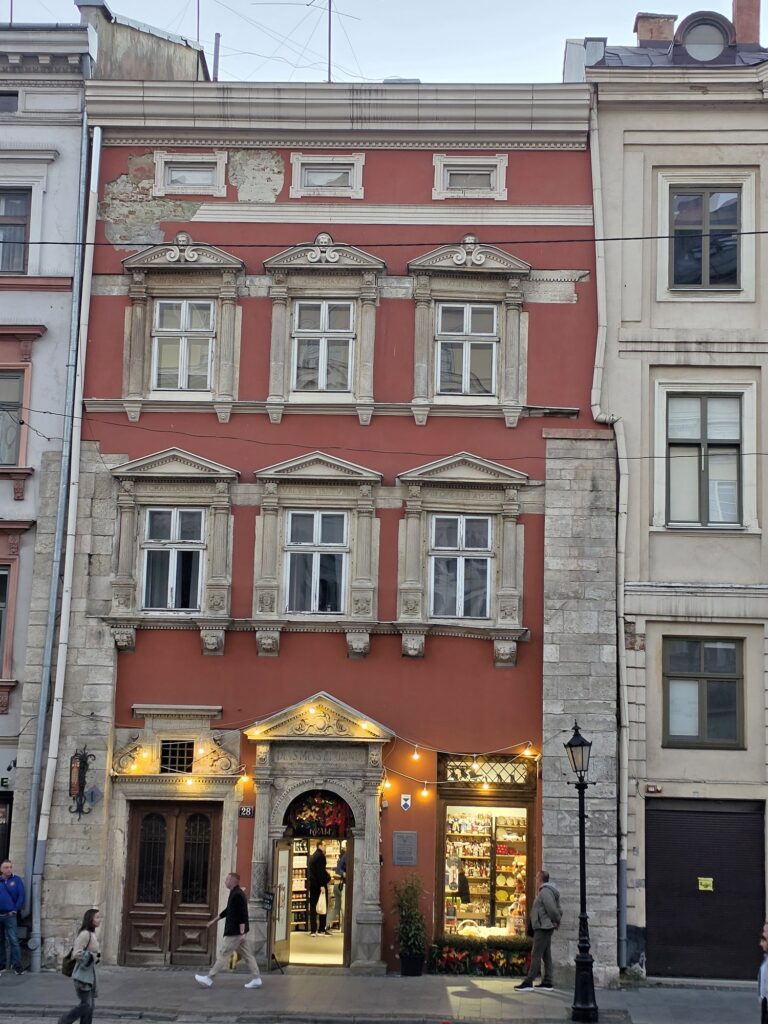
According to city tradition, a townhouse façade was three windows wide, and only the wealthiest families were allowed more. That is why the Korniakt and Lubomirski palaces are noticeably wider than their neighbours.
UNESCO World Heritage
In 1998 the ensemble of Lviv’s historic centre, including Rynok Square, was inscribed on the UNESCO World Heritage List.
What to See on Rynok Square
- City Hall (No. 1). The current building dates from 1827–1835; you can climb the tower and see the whole Old Town from above.
- Bandinelli House (No. 2). Lviv’s first post office opened here in 1629; today it houses a postal museum.
- Black House (No. 4). A Renaissance townhouse from 1588–1589 with a dark façade, one of the symbols of Lviv. As of late October 2026 the house is under restoration.
- Korniakt Palace (No. 6). Built in 1580, with its famous Italian courtyard; today part of the Lviv Historical Museum.
- Lubomirski Palace (No. 10). Rebuilt in 1760; from 1895 it belonged to the Prosvita society.
- Venetian House (No. 14) with the winged lion of St. Mark above the entrance.
- Scholz-Wolfowicz House (No. 23) from 1570, with Renaissance reliefs on the façade.
- Four fountains at the corners of the square with statues of Neptune, Amphitrite, Diana and Adonis by Hartmann Witwer (early 19th century). The statues are currently boxed in protective structures against shrapnel from Russian strikes, so the sculptures themselves cannot be seen.
Near Rynok, don’t miss the Dormition Church ensemble with the Korniakt Tower, the Armenian Quarter and the Dominican Cathedral.
Practical Information
The square is open around the clock and free to visit. Only the museums in the townhouses and the observation deck on the City Hall tower charge admission. At Christmas there is a fair on Rynok, and in summer the cafés and restaurants open their terraces.
Tips
- Come early. Before 9 a.m. the square is almost empty, the best time to photograph the façades.
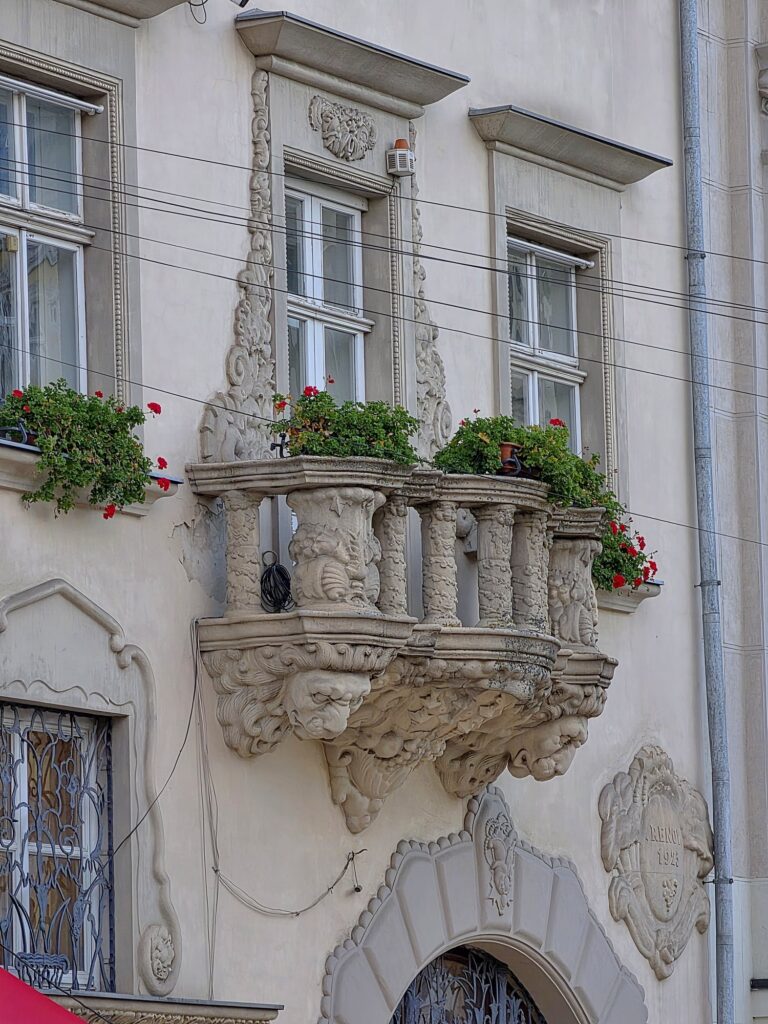
- Look up. The most interesting details are the portals, coats of arms, sculptures and dates above the ground floor.
- Peek into courtyards. The Italian courtyard of the Korniakt Palace (6 Rynok Square) has three tiers of Renaissance arcades.
- Watch out for trams. Trams cross the square, so mind the tracks while taking photos.
The square’s main building is Lviv City Hall with its viewing tower, which we cover in a separate guide.
Where to Stay Nearby
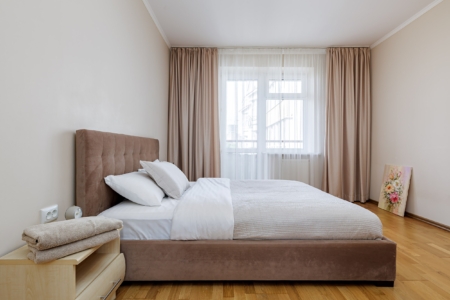
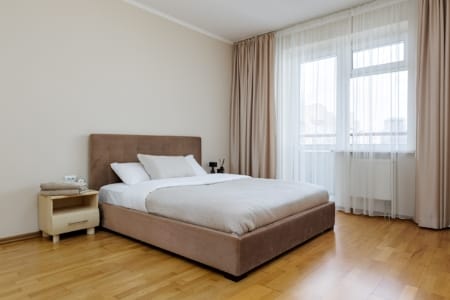
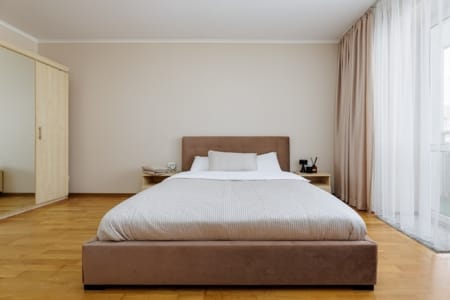
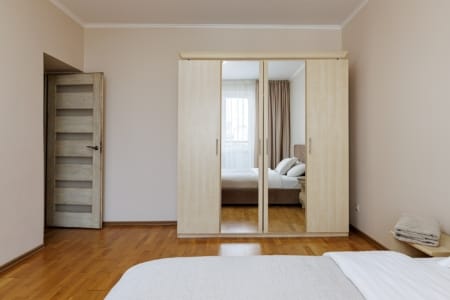
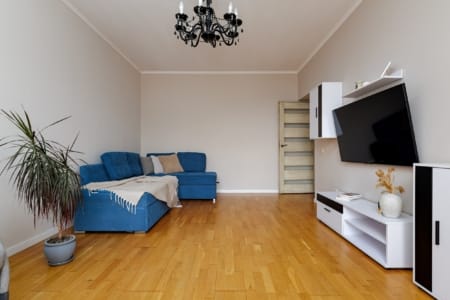
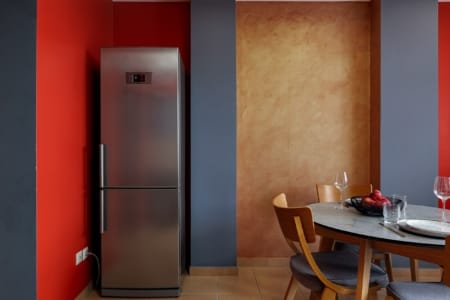
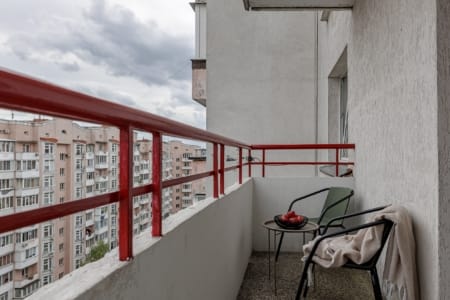
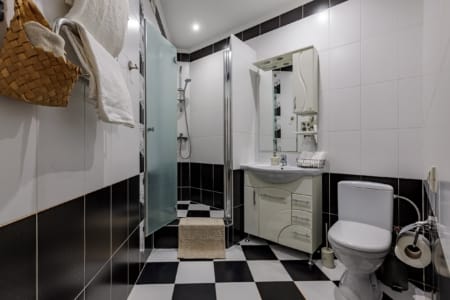
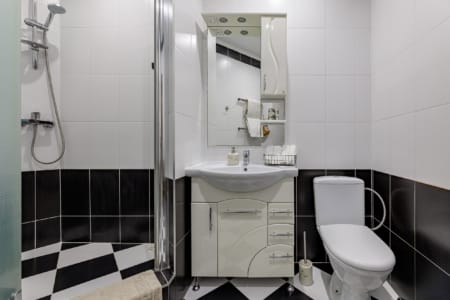
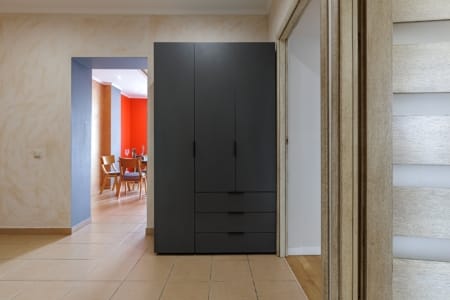
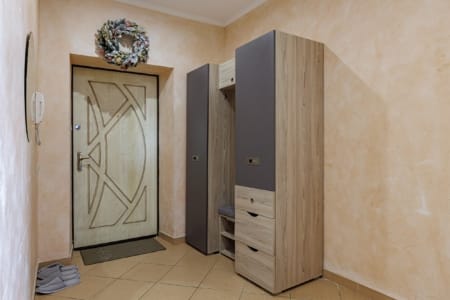
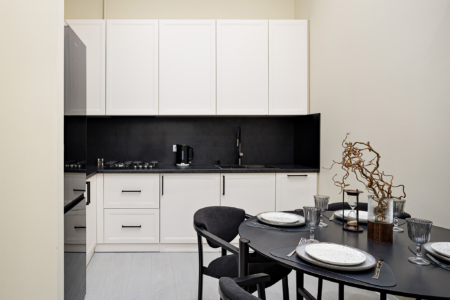
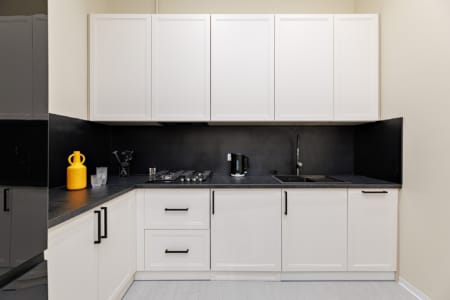
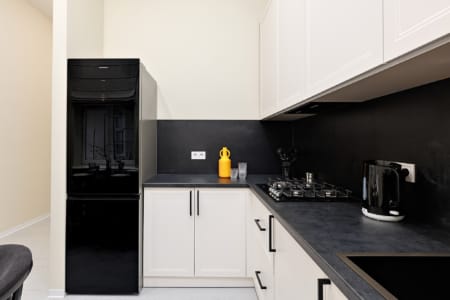
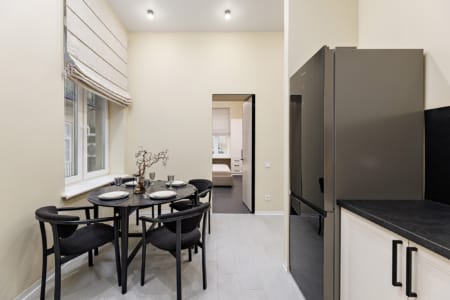
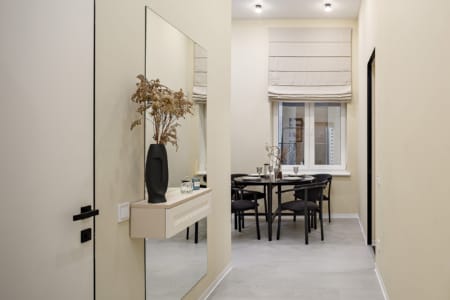
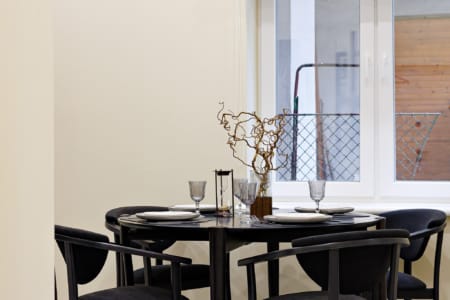
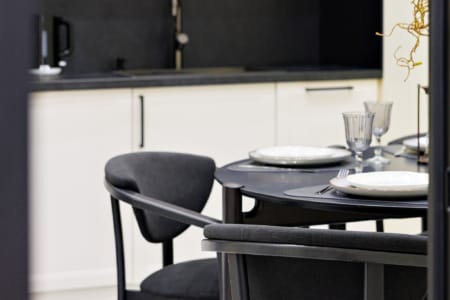
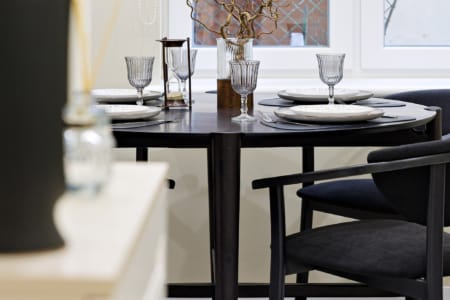
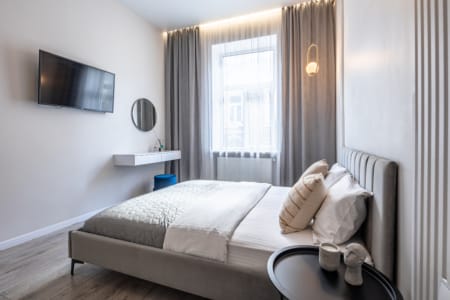
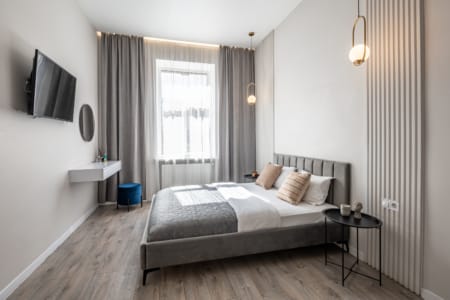
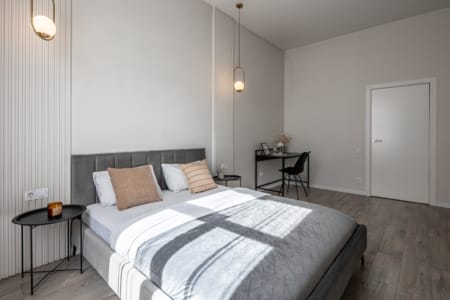
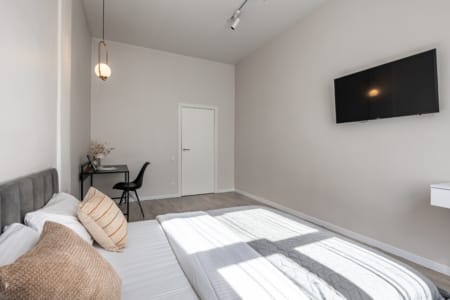
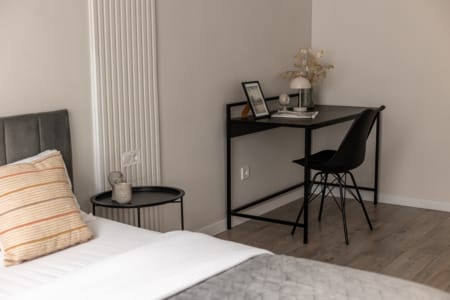
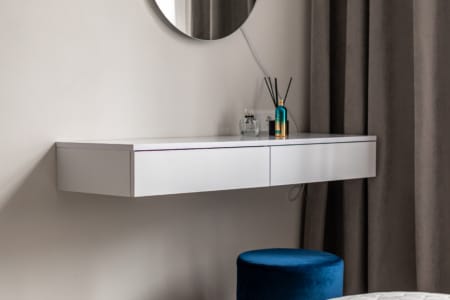
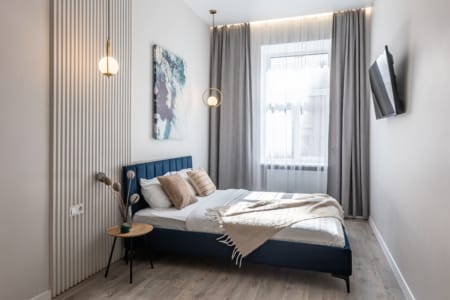
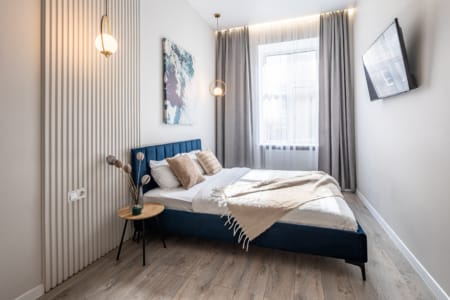
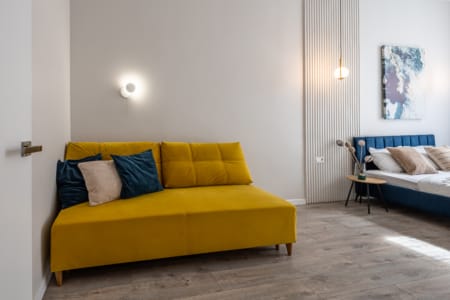
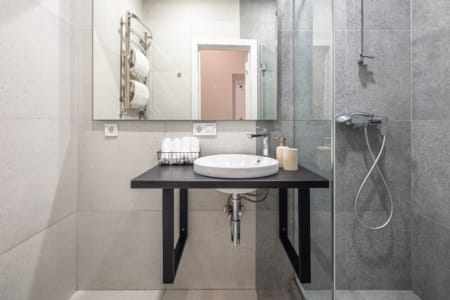
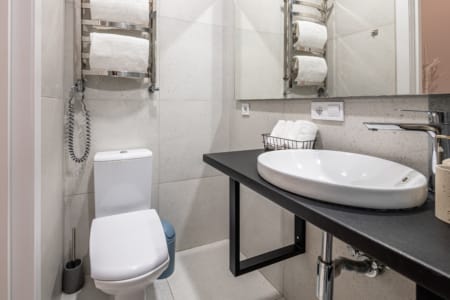
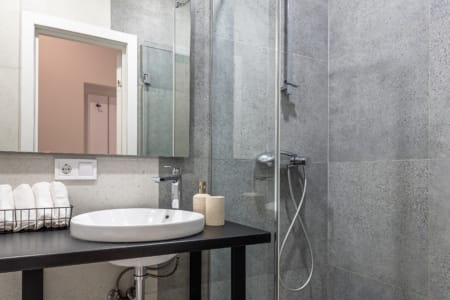
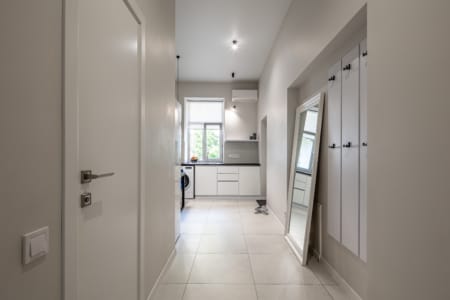
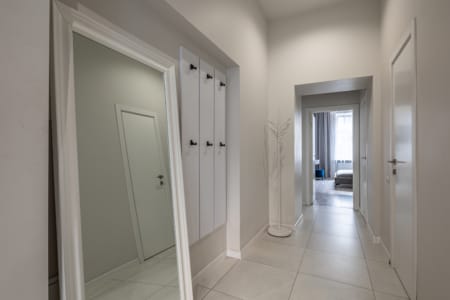
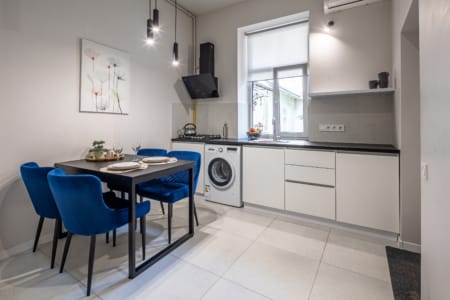
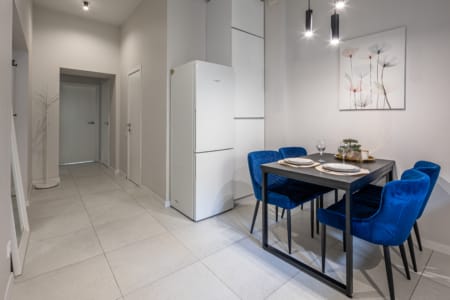
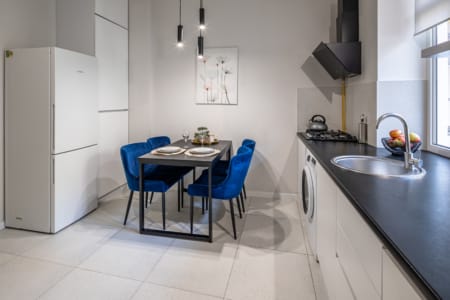
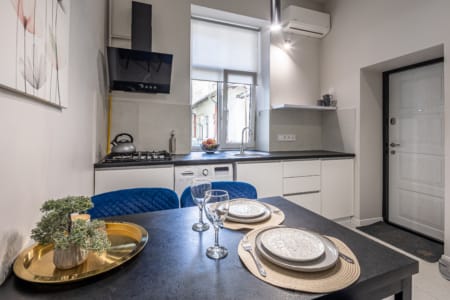
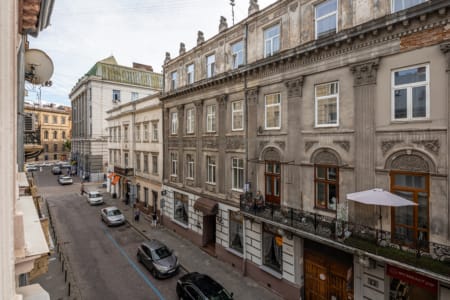
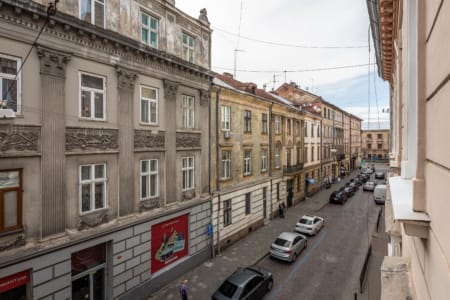
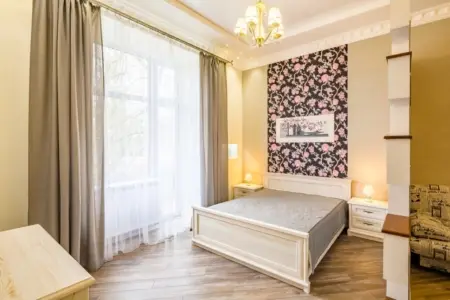
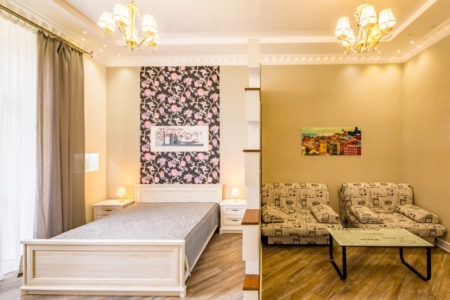
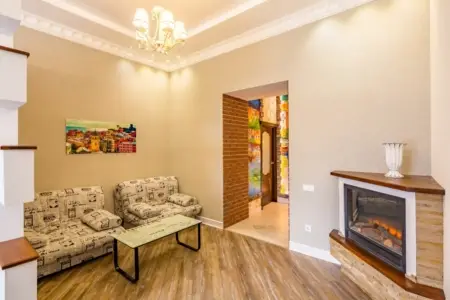
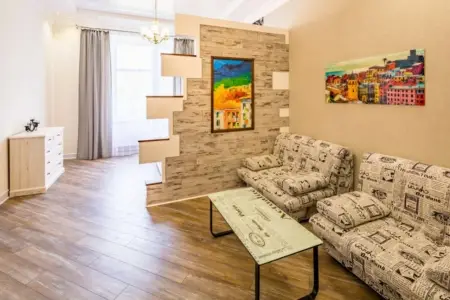
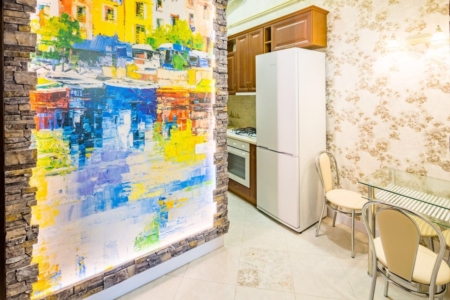
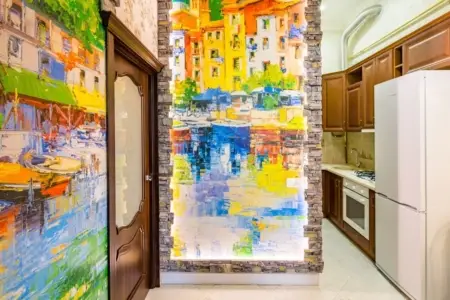
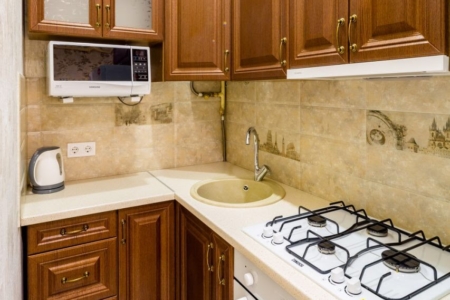
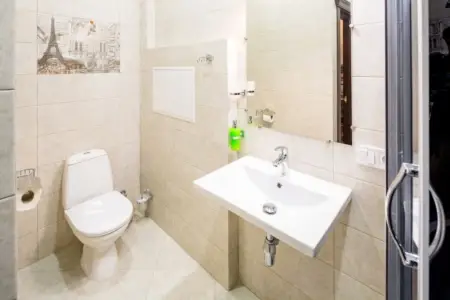
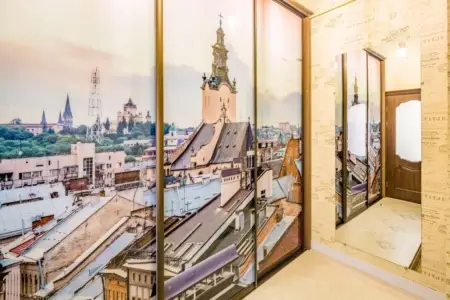
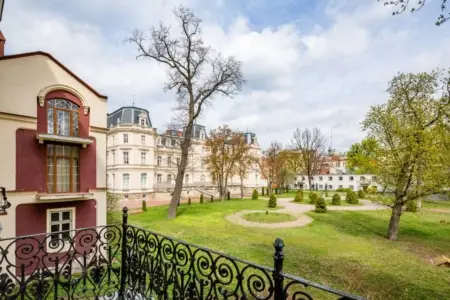
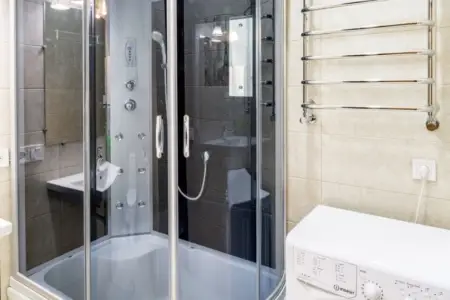
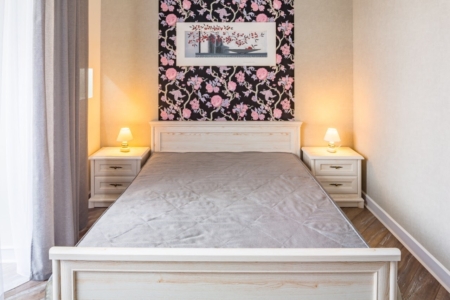
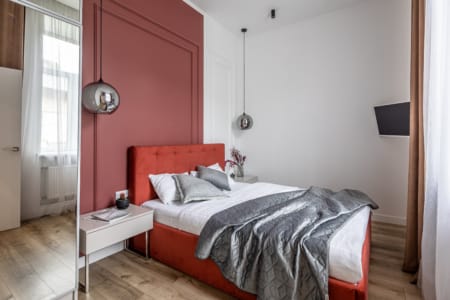
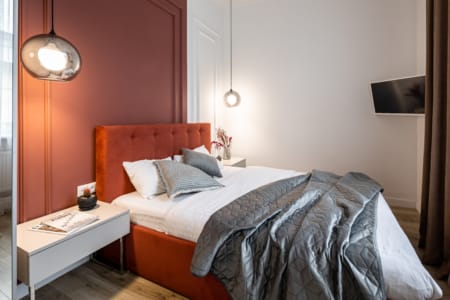
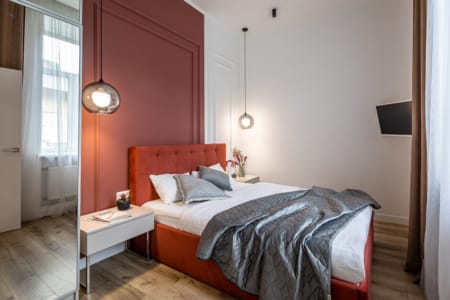
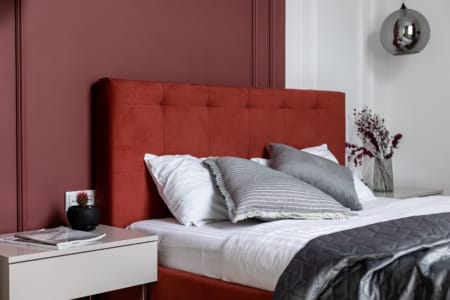
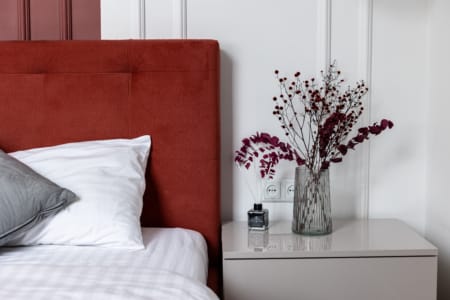
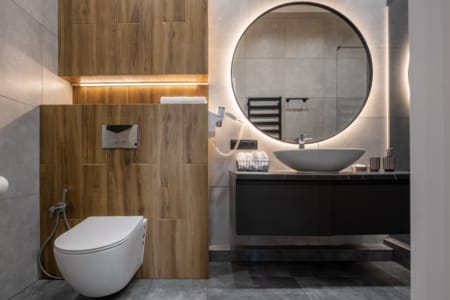
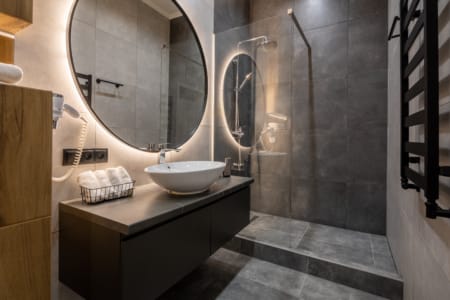
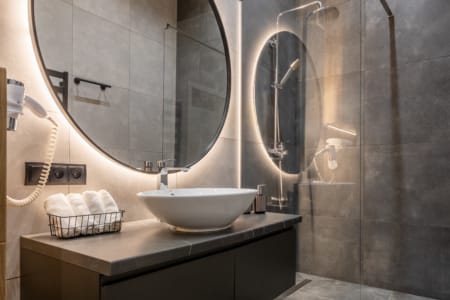
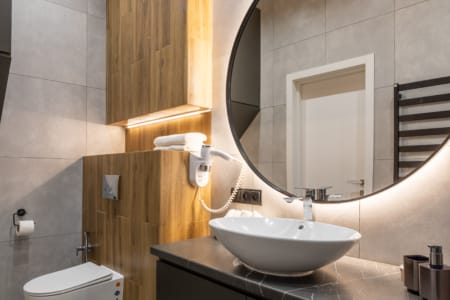
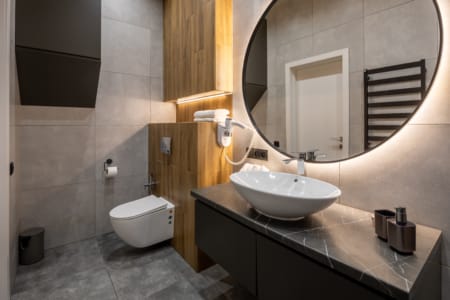
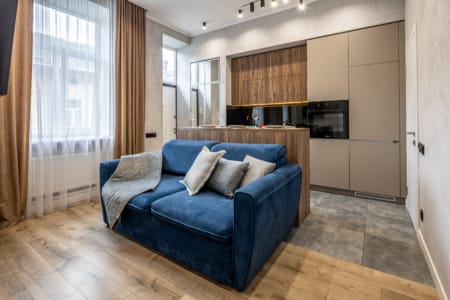
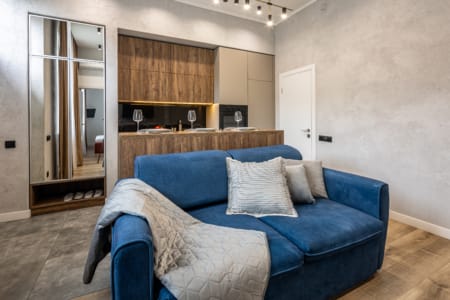
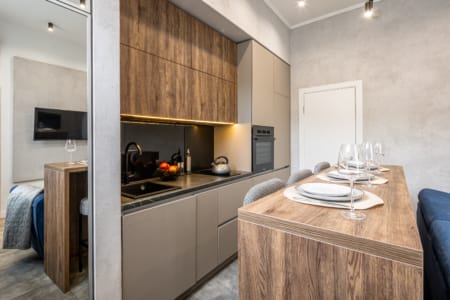
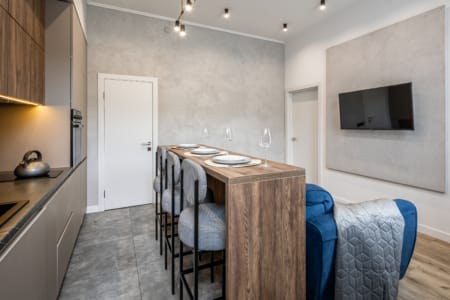
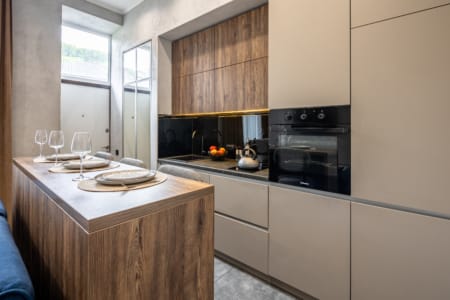
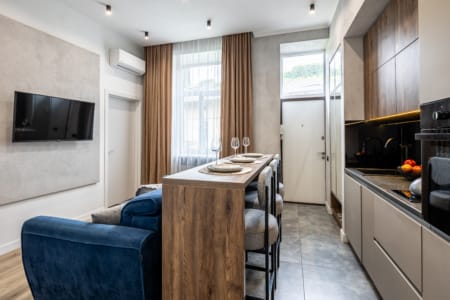
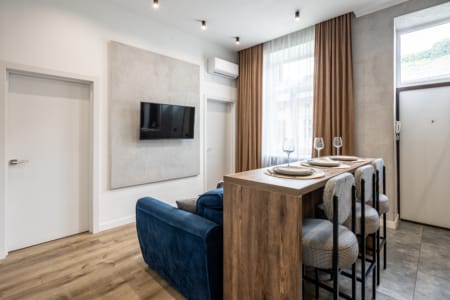
Our apartment on Valova Street is a few minutes’ walk from Rynok Square, next to the Bernardine Monastery. It is a convenient base for walking around the Old Town both in the morning and late in the evening.
See more options in our apartments for rent in Lviv section.
Planning a trip? Book an apartment in Lviv directly, with no intermediaries or commission, and stay just steps from Rynok.
FAQ about Rynok Square
How many buildings are on Rynok Square?
The square is lined with 44 townhouses, and the City Hall stands in the middle.
Can I climb the City Hall tower?
Yes, the observation deck is open by advance registration at the Tourist Information Centre. Admission is paid.
What fountains are on Rynok Square?
Four fountains at the corners of the square with statues of Neptune, Amphitrite, Diana and Adonis. Because of the war, the statues are currently covered with protective structures.
Is Rynok Square a UNESCO site?
Yes, since 1998, as part of the ensemble of Lviv’s historic centre.
When is the best time to visit?
Early in the morning to see the square without crowds, or in the evening when the façades are lit up.








Join the discussion