
Museum of Ethnography and Arts and Crafts in Lviv: Visitor Guide
 Leo Apartment
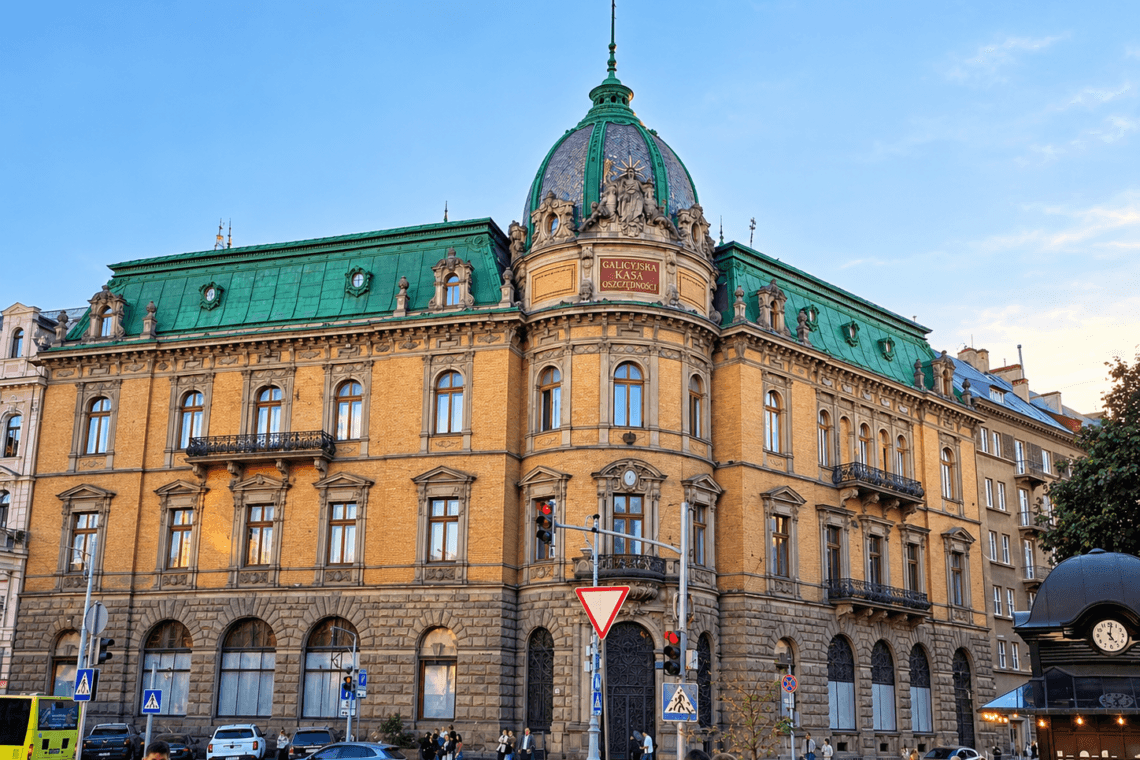
The Museum of Ethnography and Arts and Crafts in Lviv is a place where the architecture of a historic building becomes part of the museum experience. Its main exhibition at 15 Svobody Avenue occupies the former Galician Savings Bank. Inside, visitors can explore Ukrainian folk clothing, embroidery, ceramics, glass, porcelain, furniture, clocks, textiles and graphic art.
Museum of Ethnography and Arts and Crafts in Lviv: what to know
The museum is a department of the Institute of Ethnology of the National Academy of Sciences of Ukraine. According to the institution, its scientific collections and museum exhibition are included in the State Register of Objects of National Heritage of Ukraine.
The present collection has several important sources. Its foundations include the collections of the City Industrial Museum, established in 1874, and the Museum of the Shevchenko Scientific Society. As a result, a visit combines Ukrainian folk culture with a broader European history of decorative and applied arts.
The former Galician Savings Bank and its remarkable facade
Before entering the museum, take a few minutes to look at the building on Svobody Avenue. The sculptural composition on the attic is particularly distinctive. A female figure symbolises Savings, surrounded by allegorical figures representing Industry and Agriculture.
The female figure is sometimes compared with the Statue of Liberty because of its silhouette. The comparison is visual rather than historical: the Lviv composition belongs to the symbolic programme of the former bank building.
The preserved interiors are also part of the attraction. The original inscription on the facade, removed during the Soviet period, was restored after Ukraine regained independence. This makes the building interesting both as architecture and as a document of Lviv’s urban history.
What to see inside the museum
The exhibition covers much more than traditional Ukrainian clothing. It presents materials, techniques, styles and objects from different regions and periods, allowing visitors to see how everyday items could become works of decorative art.
- Folk clothing and embroidery. The collections include objects from many historical and ethnographic regions of Ukraine, including Polissia, Volhynia, Podillia, Hutsulshchyna, Boykivshchyna, Lemkivshchyna, Bukovyna and Zakarpattia.
- Ceramics. The museum presents Ukrainian pottery traditions and objects from different regional centres.
- Glass and porcelain. The collections include Ukrainian and European works, including pieces associated with Meissen, Vienna and other major European manufactories.
- Clocks. One of the notable collections contains clocks representing different constructions, periods and European traditions.
- Furniture and woodwork. These objects help trace changes in decorative styles from earlier European examples to the beginning of the 20th century.
- Graphics and posters. The collection includes Ukrainian and European works, including examples of French and Polish poster art.
This combination is what makes the museum particularly interesting. Ukrainian craftsmanship is shown alongside the wider European artistic context rather than as an isolated tradition.
The collections that deserve special attention
The museum’s official description highlights its collections of clocks, ceramics, glass, porcelain, furniture, textiles, graphics and Ukrainian folk art. The exhibition at 15 Svobody Avenue focuses on European decorative and applied art from the late 15th century to the first third of the 20th century.
Visitors interested in Ukrainian culture can pay particular attention to regional ceramics, traditional clothing and embroidery. Those interested in design and material culture may find the glass, porcelain, furniture and clock collections especially rewarding.
In 2026, the museum also completed an update of the permanent exhibition in its branch at 10 Rynok Square. Therefore, if you plan to visit several museum locations, check the official website for the current exhibition information before setting out.
Museum of Ethnography and Arts and Crafts: address, hours and tickets
Address: 15 Svobody Avenue, Lviv.
The museum’s official website currently states that the exhibition is open daily from 12:00 to 17:30, except Tuesday. The adult ticket is 100 UAH; pupils, students and pensioners pay 40 UAH. Separate fees are listed for guided tours, photography and video recording.
Opening hours and prices may change, so check the official museum website before your visit. Additional tourist information is available from Lviv.travel.
How to plan a visit and what to see nearby
The museum is in central Lviv, which makes it easy to include in a walking itinerary. After the museum, continue along Svobody Avenue to the Lviv Opera House, then walk towards Rynok Square and the historic centre.
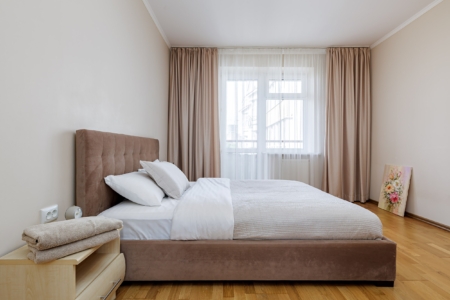
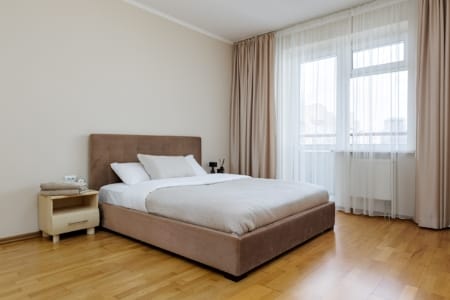
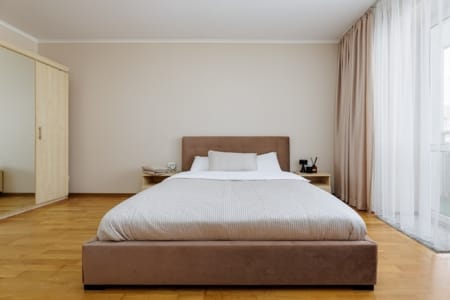
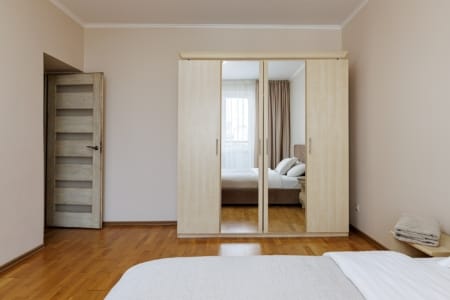
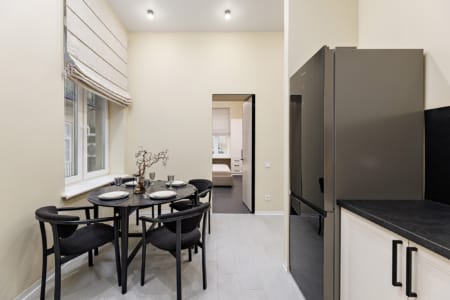
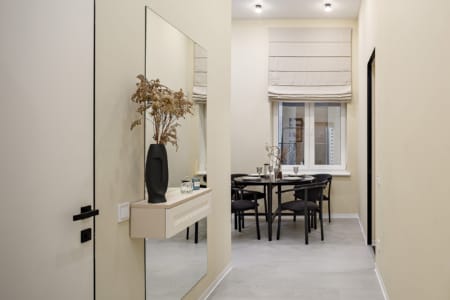
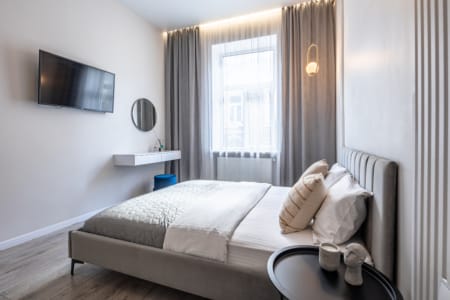
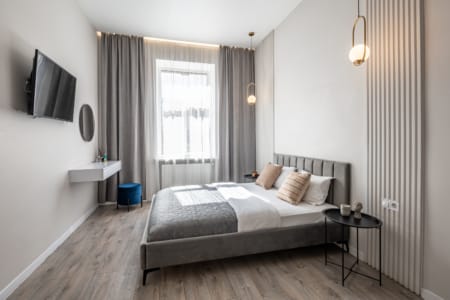
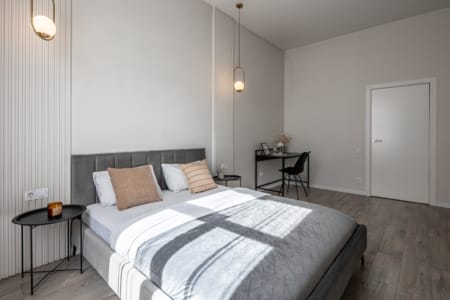
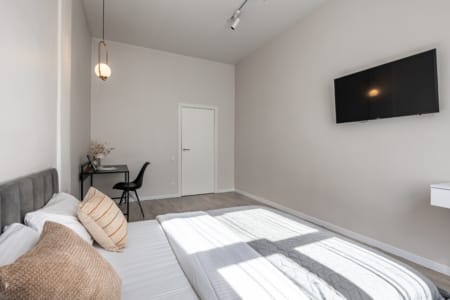
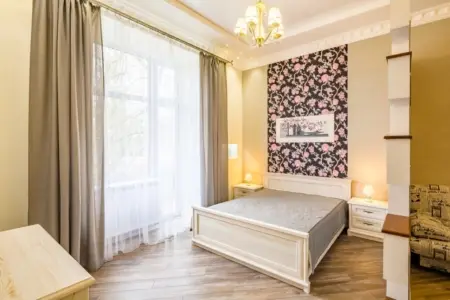
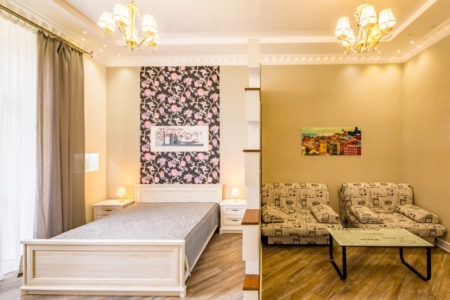
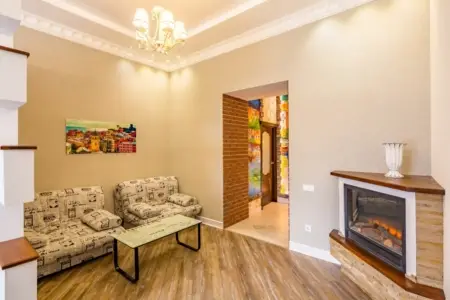
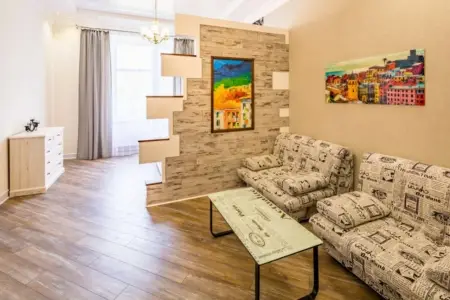
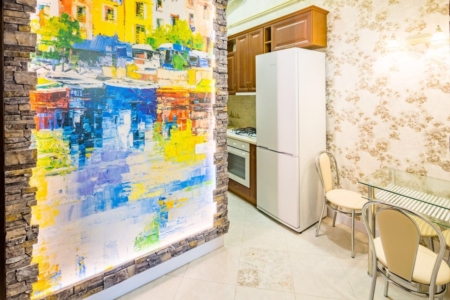
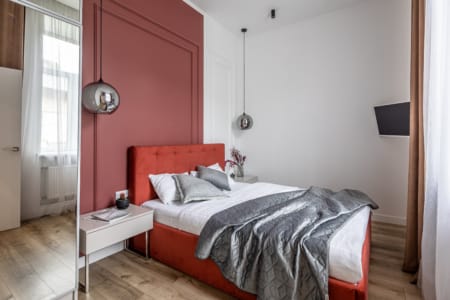
If you are staying in Lviv for several days, choosing accommodation close to the centre can save time. Browse LeoApartments for short-term stays in Lviv and plan your sightseeing around the areas you want to explore on foot.
Who will enjoy this museum
The museum is suitable both for first-time visitors and for travellers who already know the main landmarks of Lviv and want to explore a less obvious side of the city.
- travellers interested in Ukrainian culture and ethnography;
- visitors who enjoy decorative and applied arts;
- architecture enthusiasts;
- tourists looking for cultural attractions in central Lviv;
- travellers who prefer walking routes between several historic sights.
A practical tip for your Lviv trip
Do not simply walk past the building at 15 Svobody Avenue. The facade of the former Galician Savings Bank deserves a few minutes of attention even if you are following a short city-centre route. If the exhibition is open, allow enough time for the visit because the collections are much broader than the exterior of the building suggests.
After the museum, you can return to a comfortable apartment and continue your evening walk through the centre. Consider an apartment on Svobody Avenue or browse other short-term apartments in Lviv.
Conclusion
The Museum of Ethnography and Arts and Crafts in Lviv combines historic architecture, Ukrainian ethnography and European decorative arts. It is worth adding to your itinerary if you want to see more than the city’s famous squares and facades and understand Lviv through material culture, craftsmanship and art.
Frequently asked questions
Where is the Museum of Ethnography and Arts and Crafts in Lviv?
The main exhibition is at 15 Svobody Avenue, inside the former Galician Savings Bank.
What can I see in the museum?
The collections include folk clothing, embroidery, ceramics, glass, porcelain, furniture, clocks, graphics and other examples of decorative and applied art.
What are the current opening hours?
The official museum website currently lists 12:00–17:30 every day except Tuesday. Check the official website before travelling because schedules can change.
How much is admission?
The current official price is 100 UAH for adults and 40 UAH for pupils, students and pensioners.
Can I take photographs?
The official price list includes a separate photography fee. Check the current rules before your visit.
Can I visit the museum together with the Lviv Opera House?
Yes. Both locations are on Svobody Avenue, so they can easily be combined in one walking route.




Join the discussion