
Natural History Museum in Lviv: Mammoth, Collections and Tips
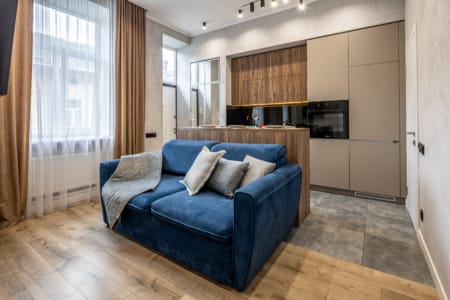
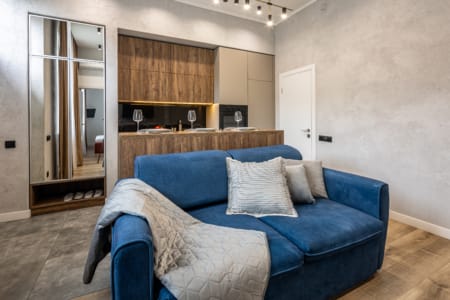
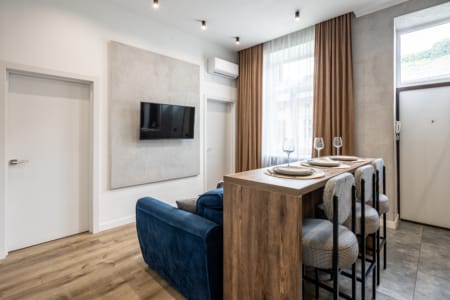
 Leo Apartment
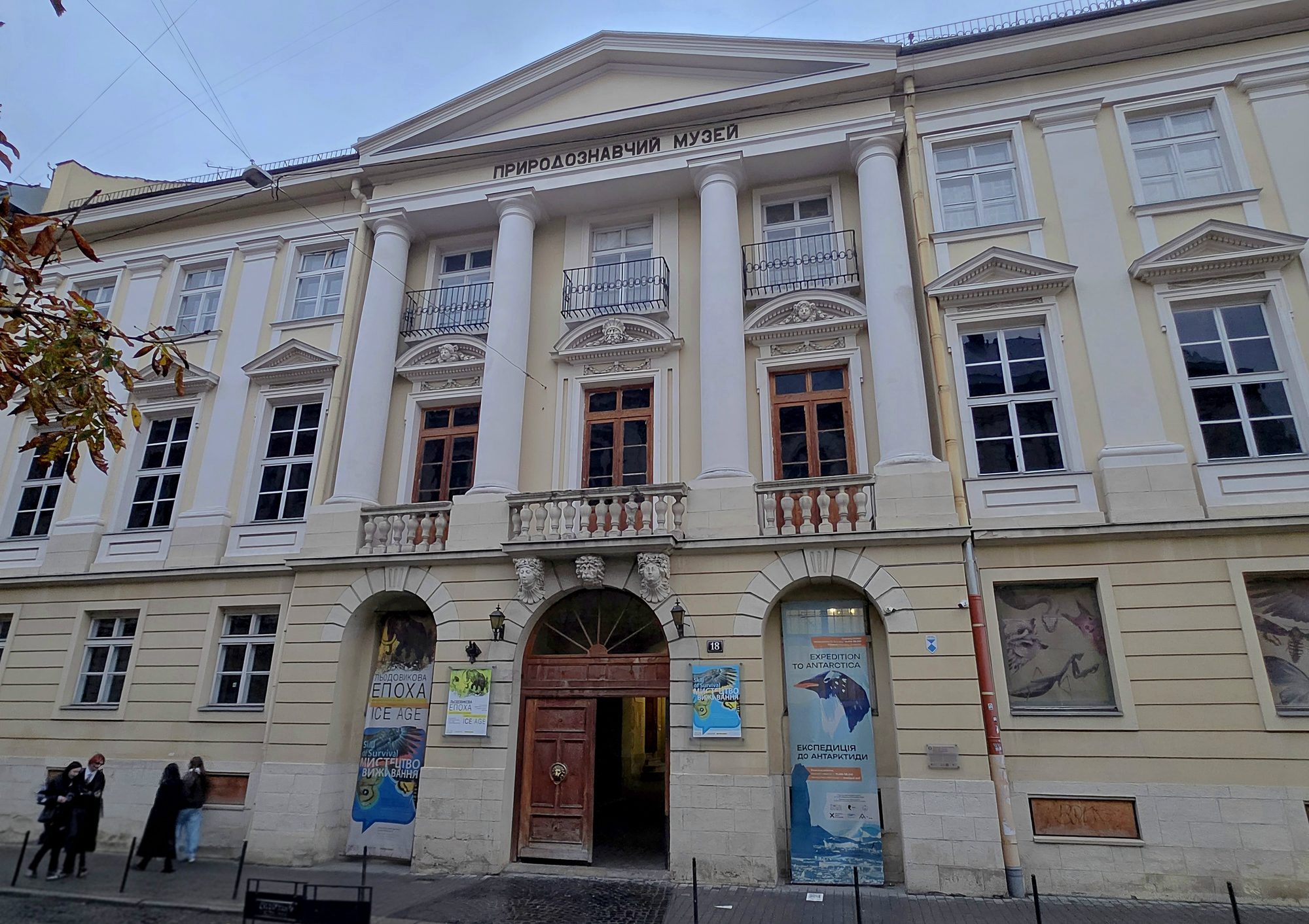
The Natural History Museum in Lviv is one of the oldest natural history museums in Ukraine, open to visitors since 1870. It was founded by Count Volodymyr Dzieduszycki, an ornithologist and collector, and today it is a research institution of the National Academy of Sciences of Ukraine.
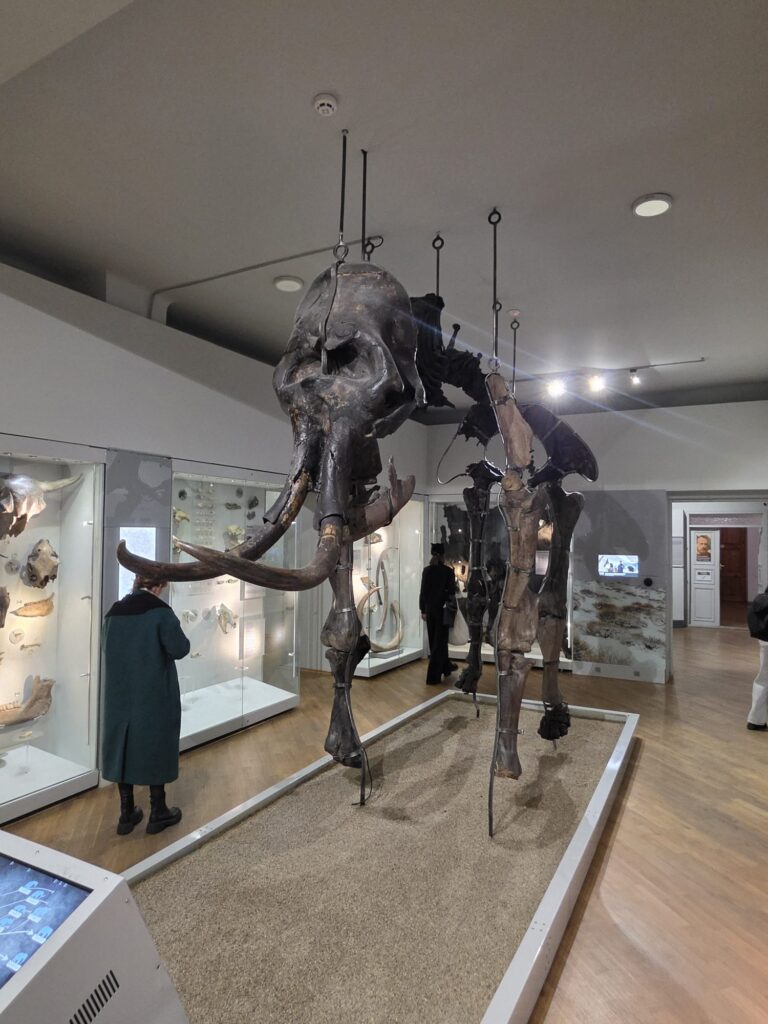
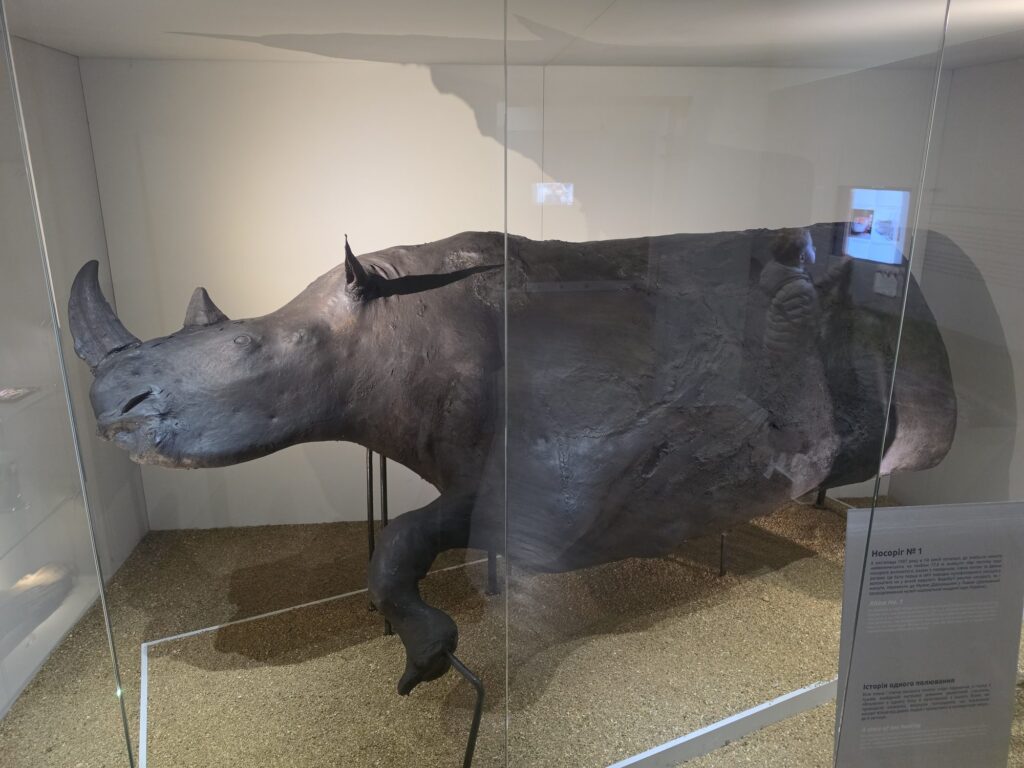
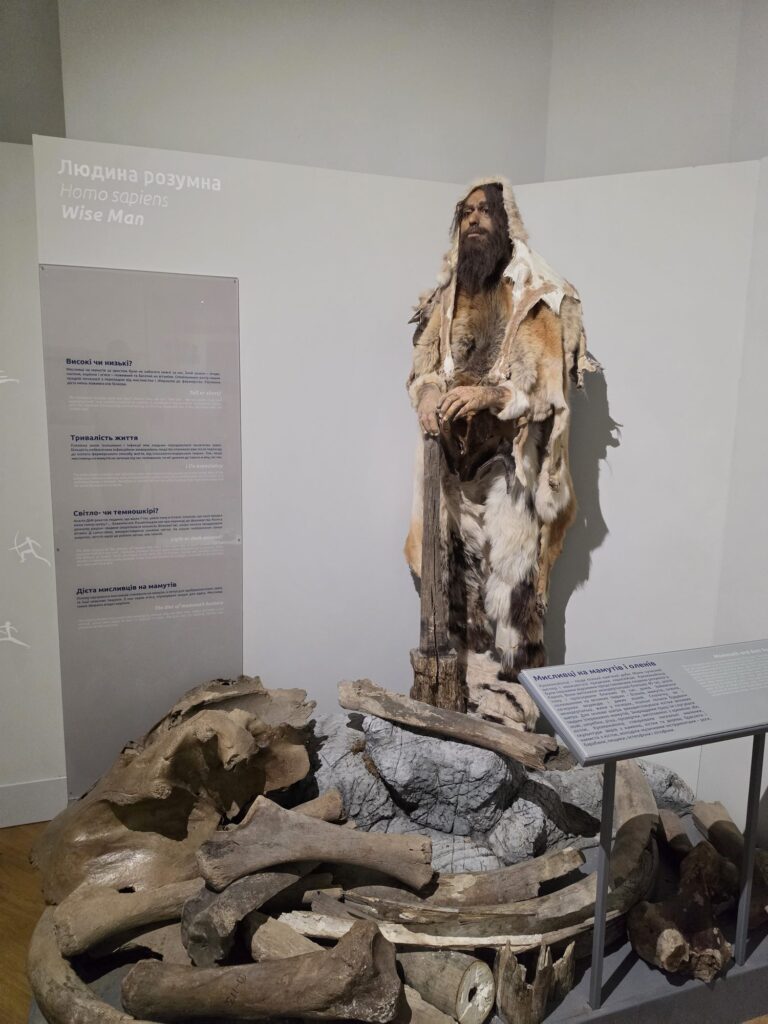
Its stores hold hundreds of thousands of specimens, and the most famous are a mammoth skeleton and a woolly rhinoceros from Starunia. Here is what to see and how to plan your visit.
Where the Museum Is
The museum is at 18 Teatralna Street, in the centre of Lviv. The Garrison Church stands on the same street, and Rynok Square is a few minutes’ walk away.
History of the Museum
Count Volodymyr Dzieduszycki created the museum in 1869 from his own collections of birds, minerals and insects. He headed it until 1899, and 1870 is considered its official start, when the collections were arranged on scientific principles and opened to the public.
In the late 20th century the building fell into disrepair, and the museum was closed to visitors for almost twenty years. After reconstruction the National Academy of Sciences reopened it in 2012.
What to See
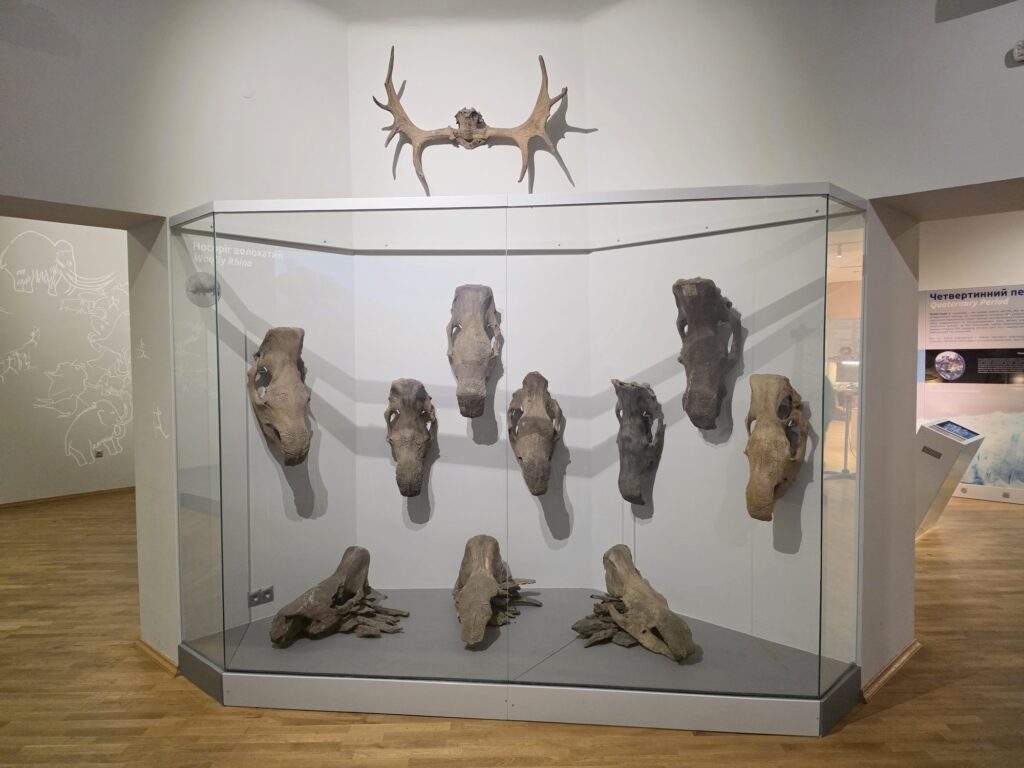
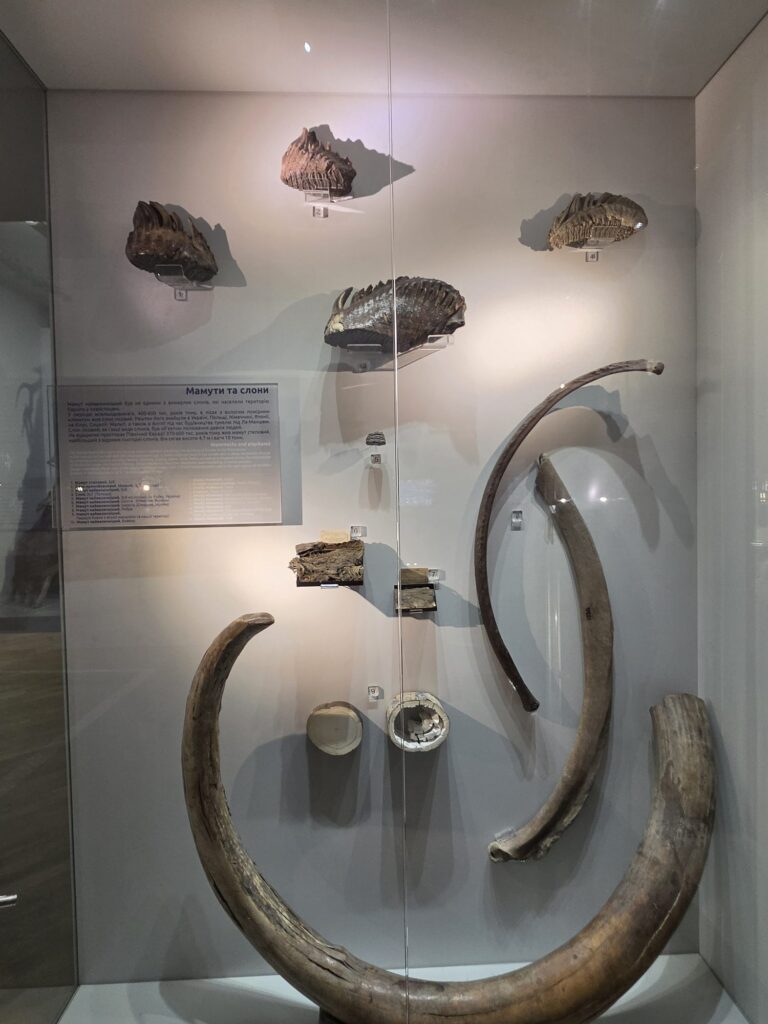
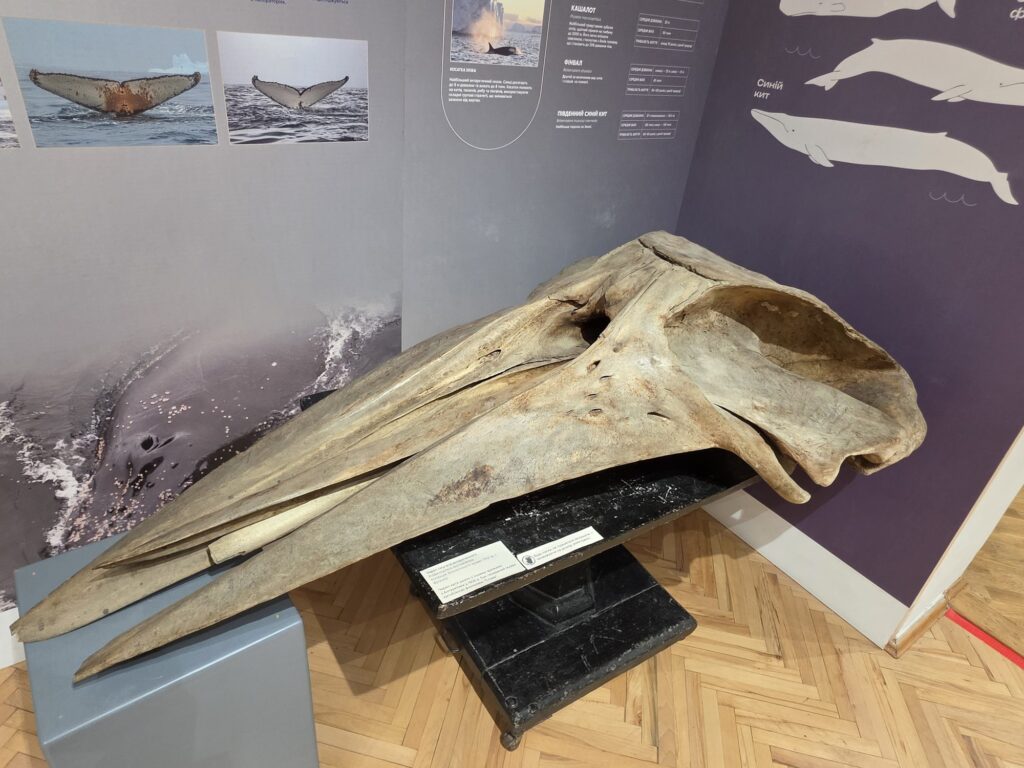
- The Ice Age. A mammoth skeleton and a woolly rhinoceros found in Starunia in the Carpathian foothills, along with Pleistocene plant and animal remains.
- Dzieduszycki’s collections. Birds, minerals and the founder’s collections, kept for more than 150 years.
- Insects. Collections of butterflies and beetles over a century old.
- Nature of Western Ukraine. The region’s flora and fauna in the museum’s displays.
How to Visit
Admission is paid. Opening hours and ticket prices change, so check them on site or on the museum’s official social media before your visit.
Tips
- For families with children. The mammoth and the rhinoceros impress adults and schoolchildren alike.
- Allow an hour. That is enough to see the exhibition at a relaxed pace.
- A rainy-day plan. A museum in the centre fits easily into a day when the weather is not right for walking.
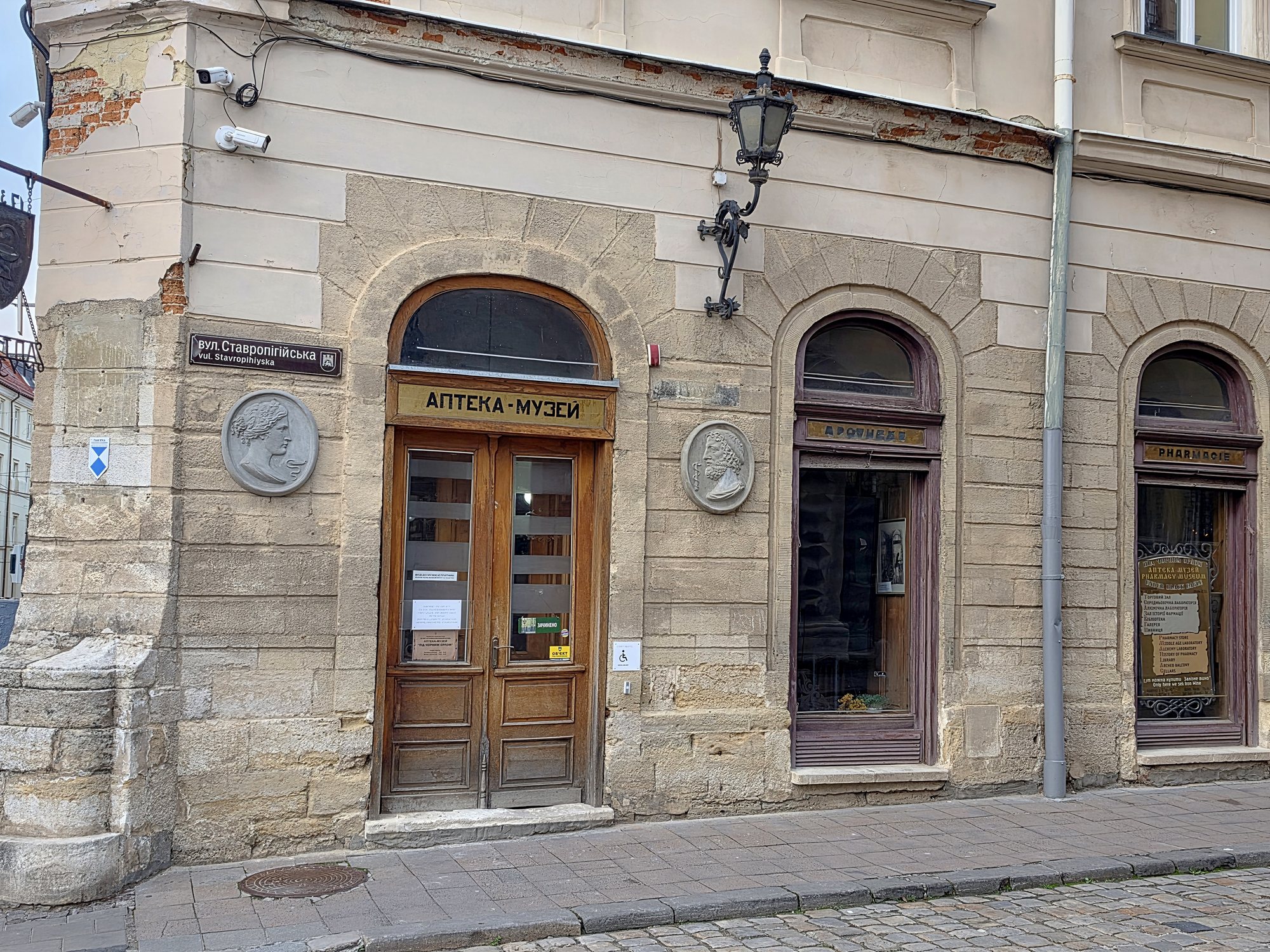
Another science museum a few minutes away is the “Under the Black Eagle” Pharmacy Museum, Lviv’s oldest working pharmacy.
Where to Stay Nearby
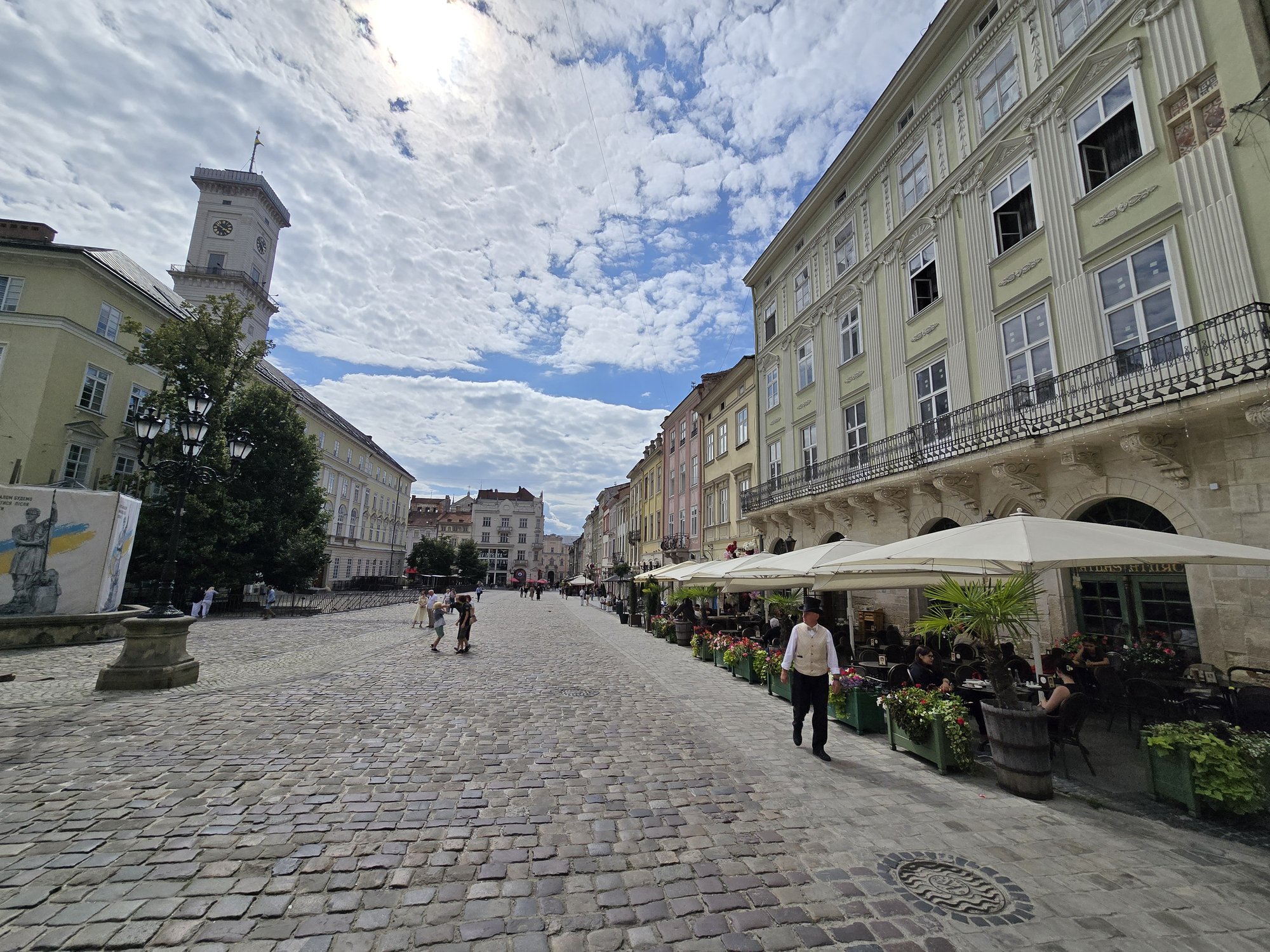
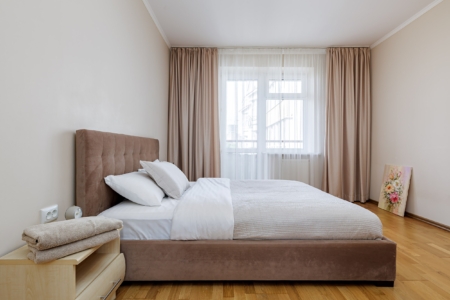
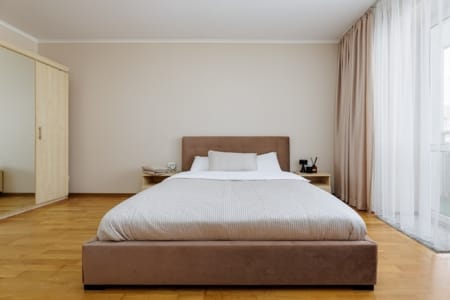
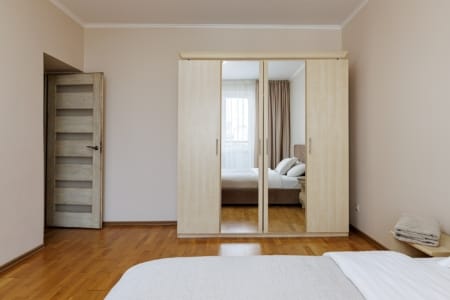
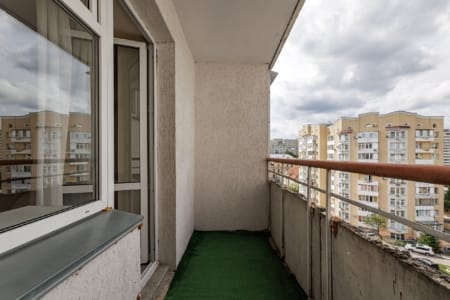
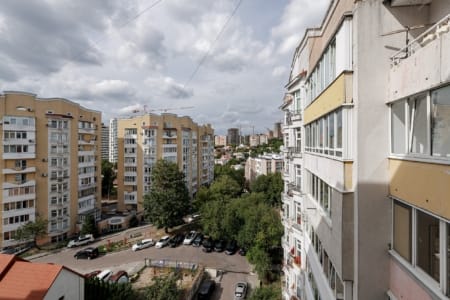
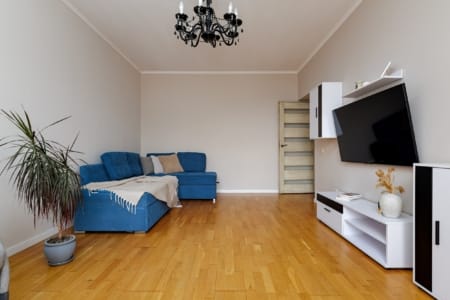
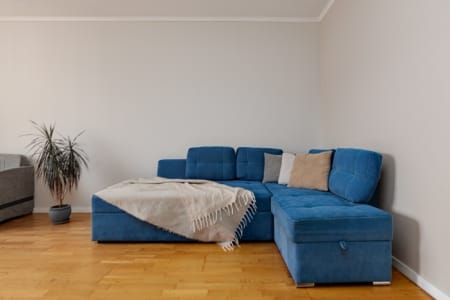
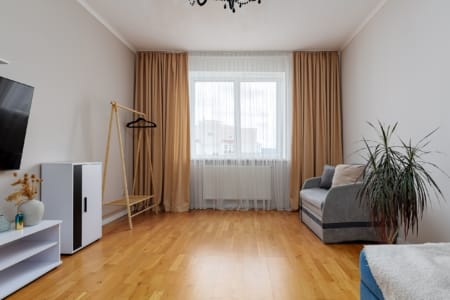
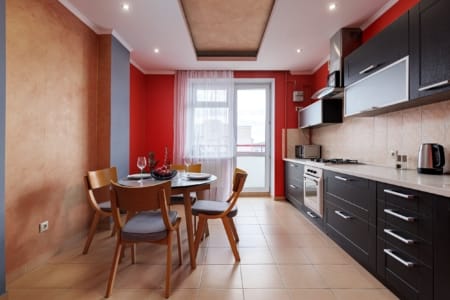
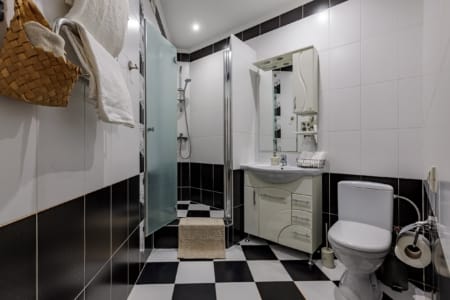
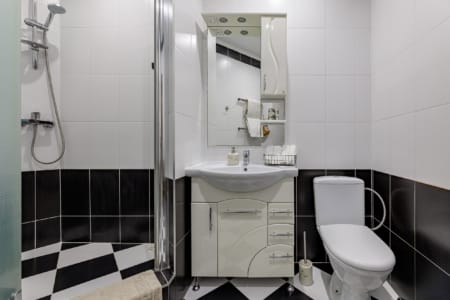
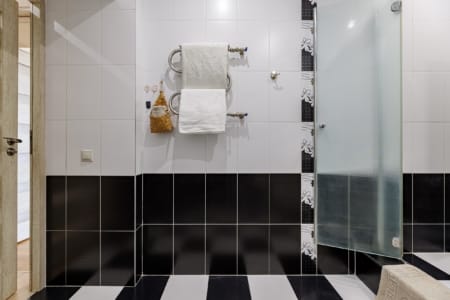
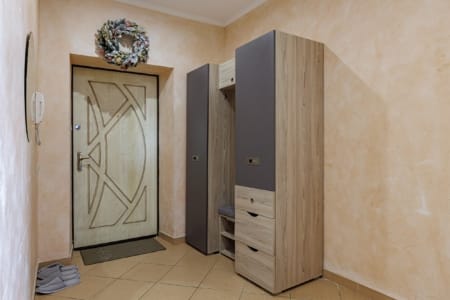
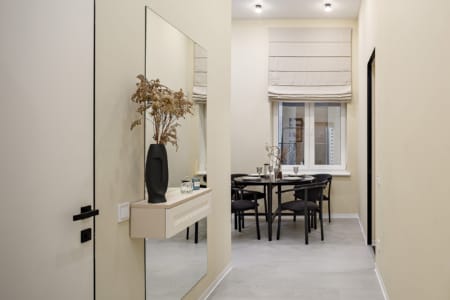
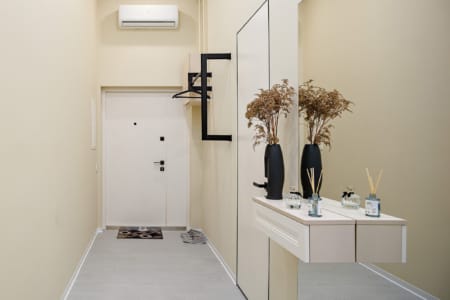
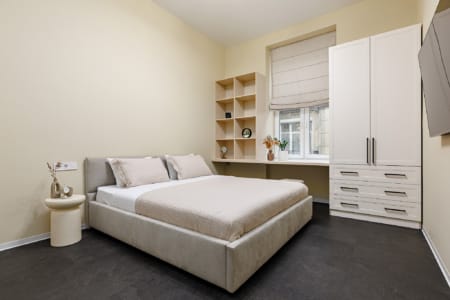
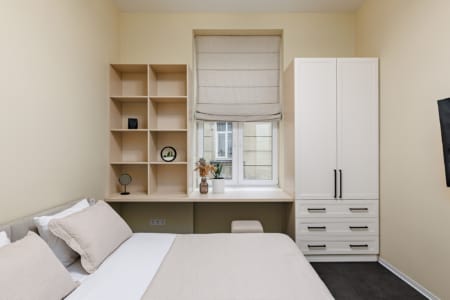
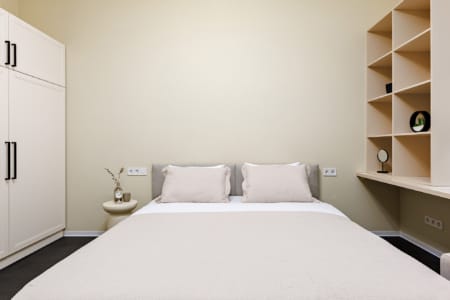
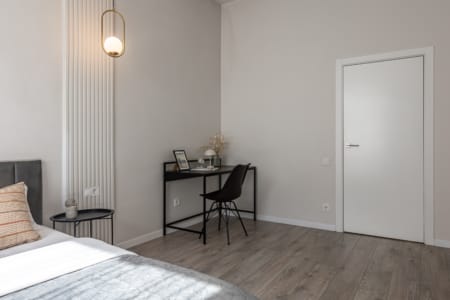
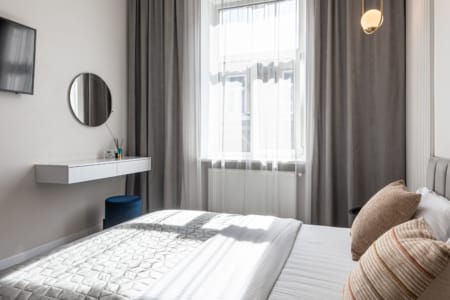
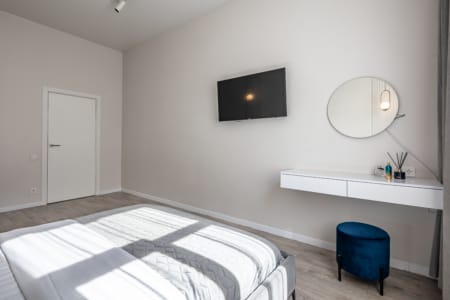
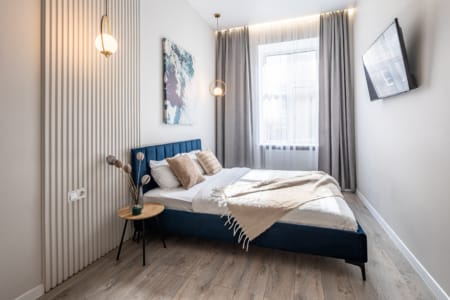
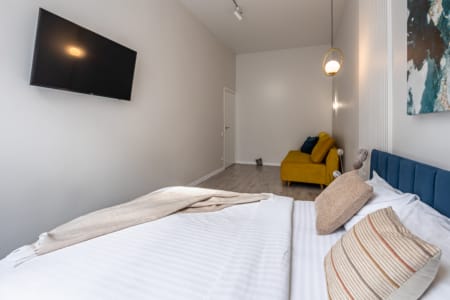
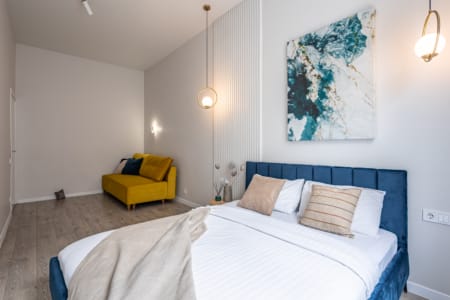
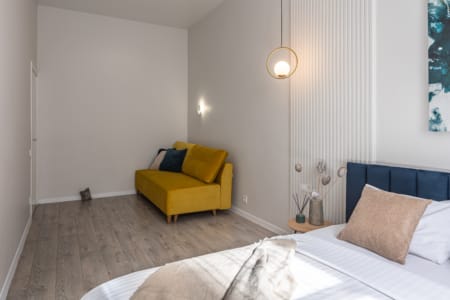
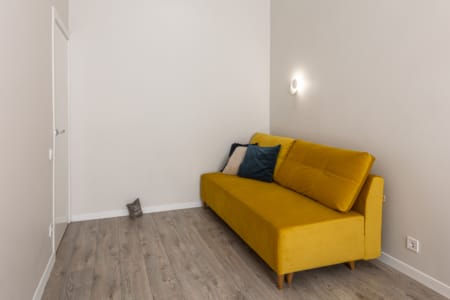
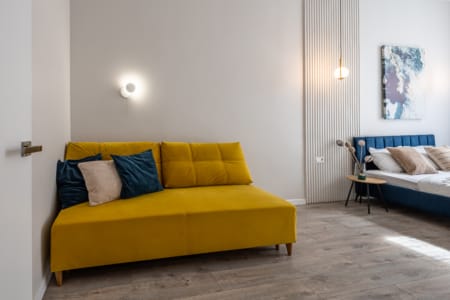
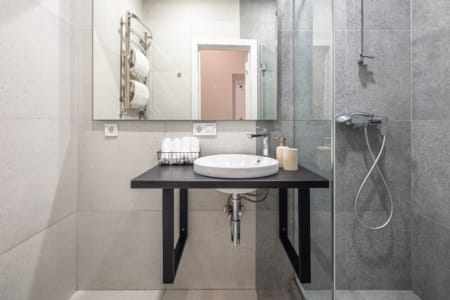
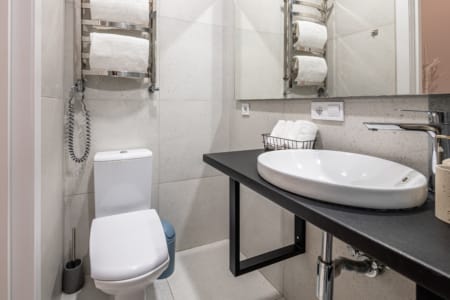
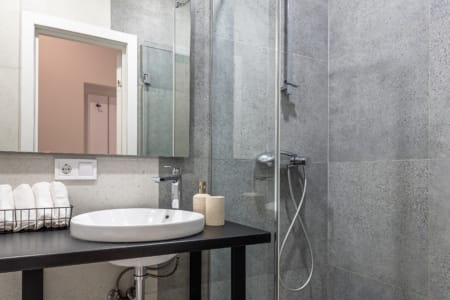
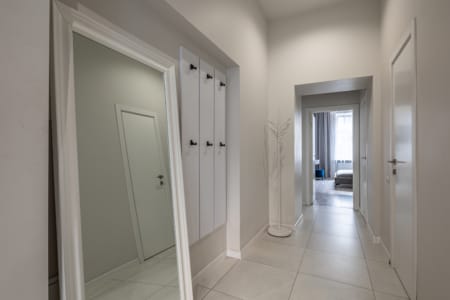
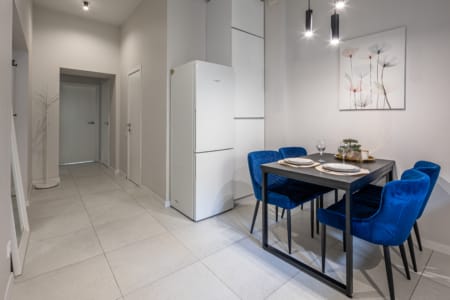
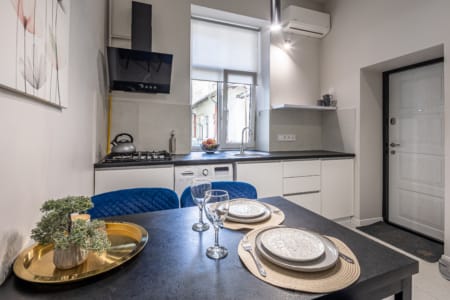
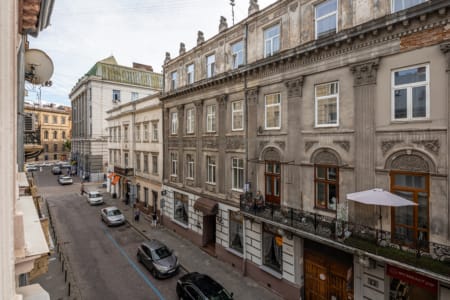
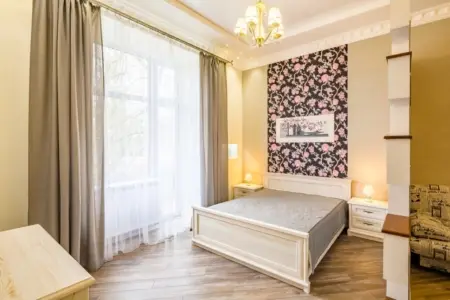
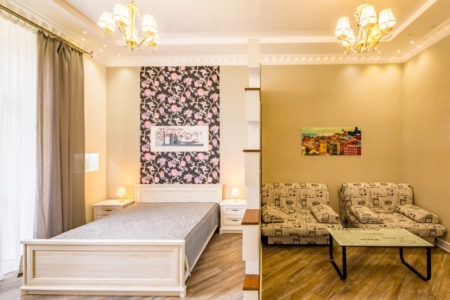
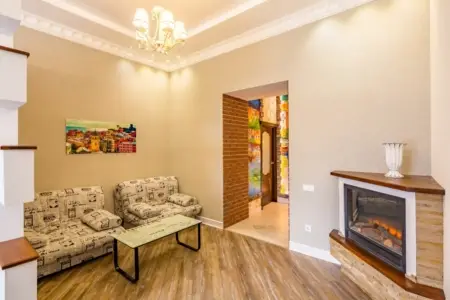
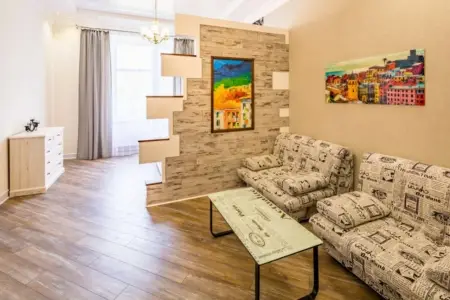
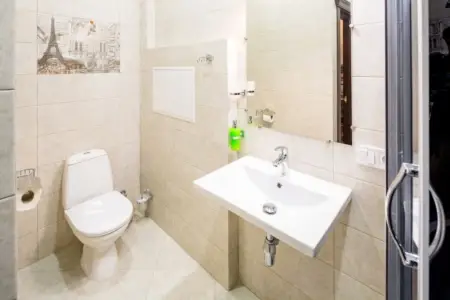
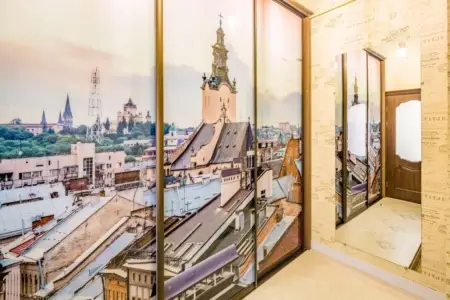
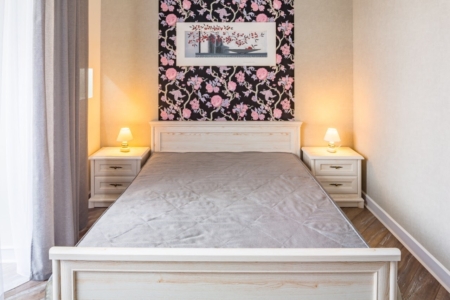
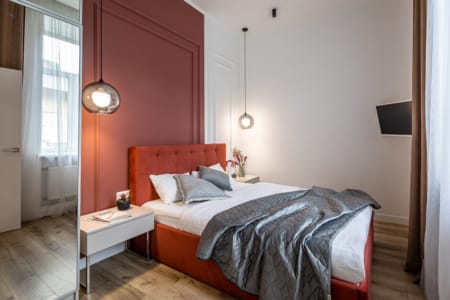
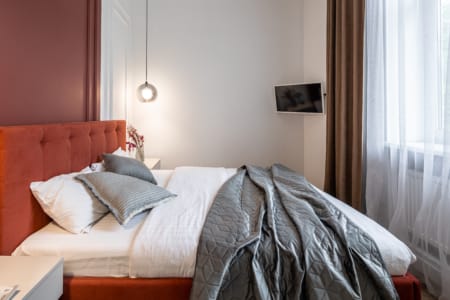
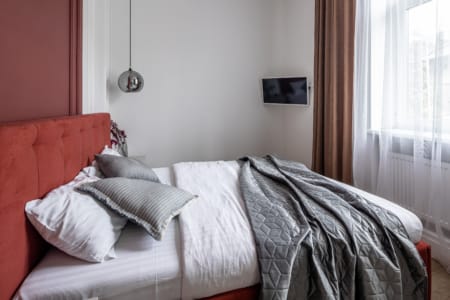
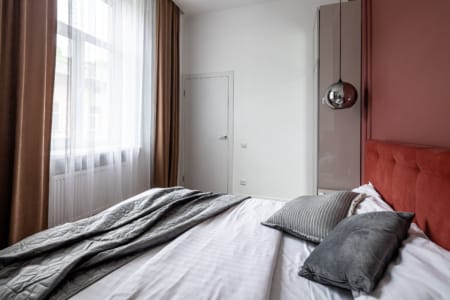
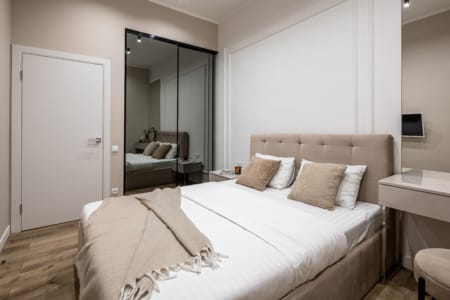
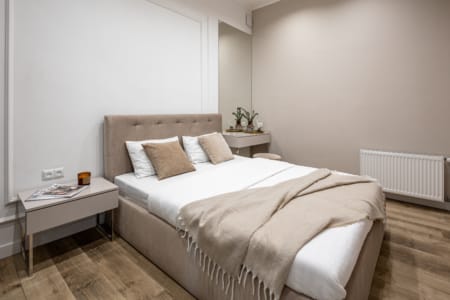
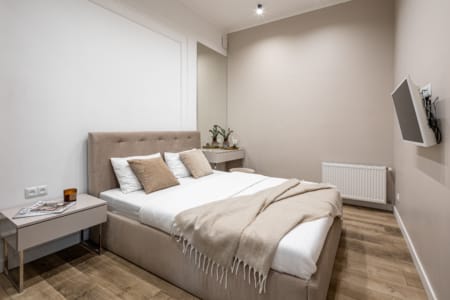
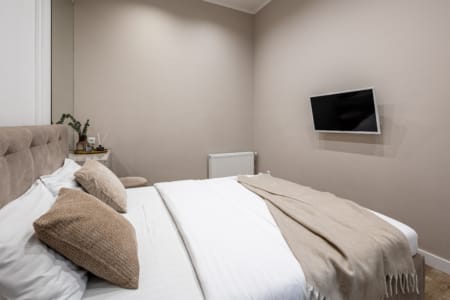
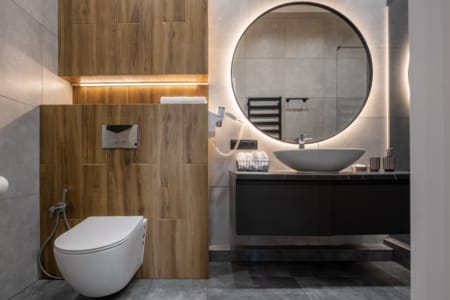
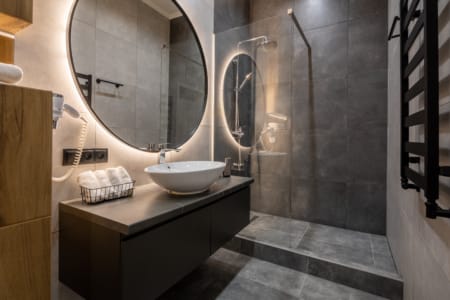
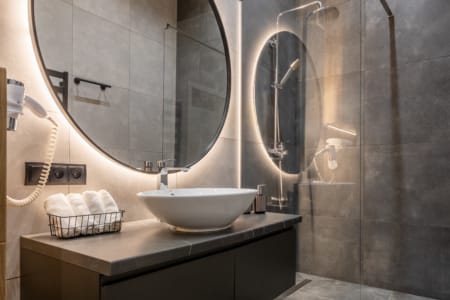
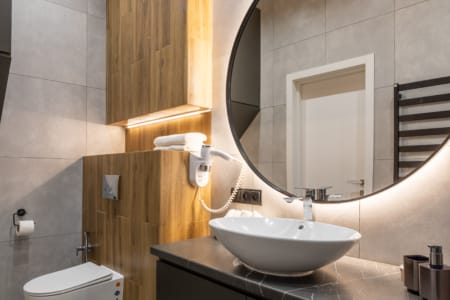
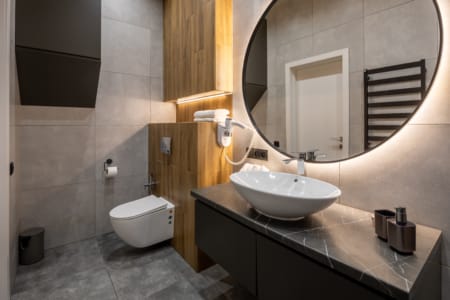
Our apartment on Danyla Halytskoho Square is about a 5-minute walk from the Natural History Museum.
See more options in our apartments for rent in Lviv section.
Planning a trip? Book an apartment in Lviv directly, with no intermediaries or commission, and stay close to the city centre.
FAQ about the Natural History Museum
Where is the Natural History Museum?
At 18 Teatralna Street, in the centre of Lviv.
Who founded the museum?
Count Volodymyr Dzieduszycki; the museum opened to visitors in 1870.
What is most interesting in the museum?
The mammoth skeleton and the woolly rhinoceros from Starunia, plus the bird and insect collections.
Is it interesting for children?
Yes, the mammoth and the rhinoceros are schoolchildren’s favourite exhibits.
How long does a visit take?
About an hour.































































Join the discussion