
Zolochiv Castle: History, Museum, Chinese Palace and a Day Trip from Lviv
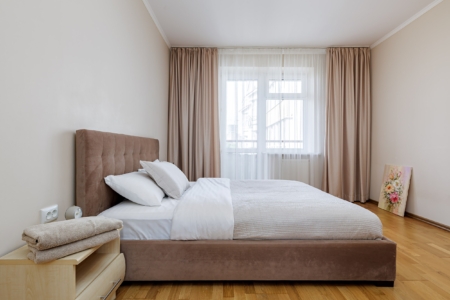
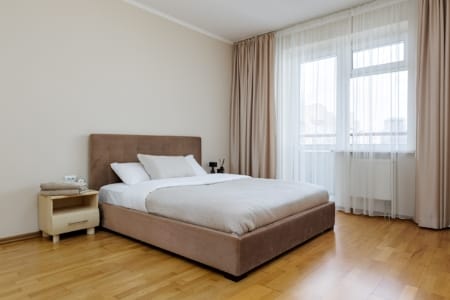
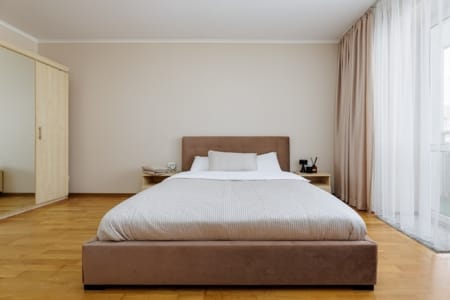
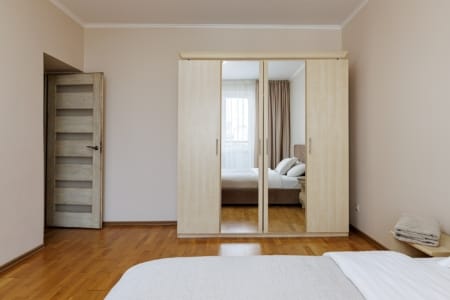
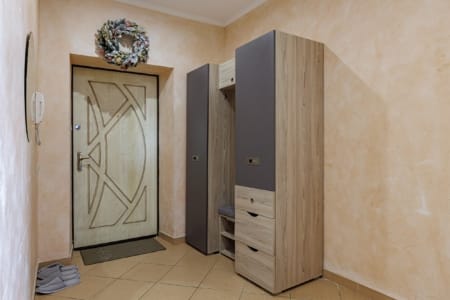
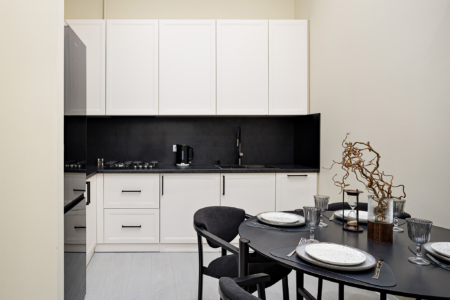
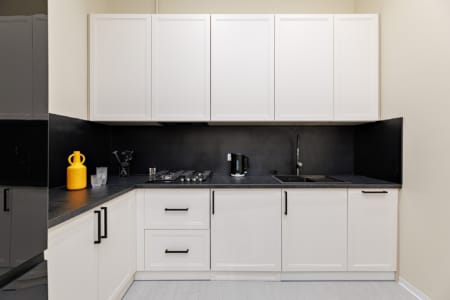
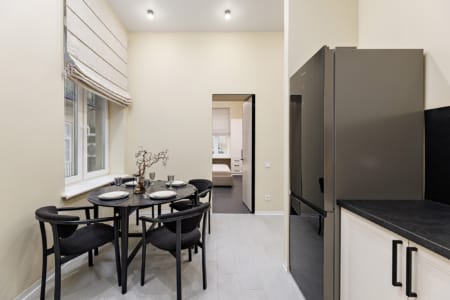
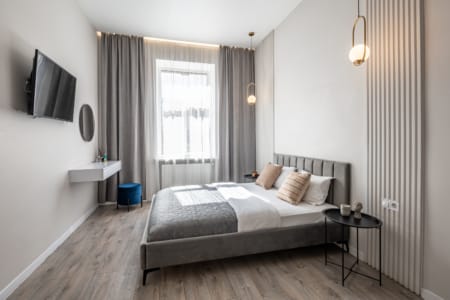
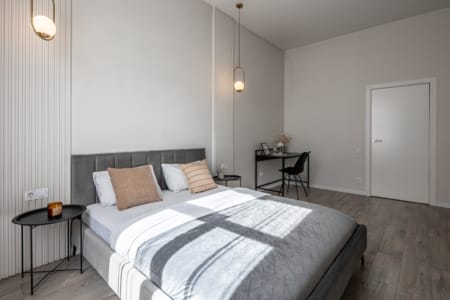
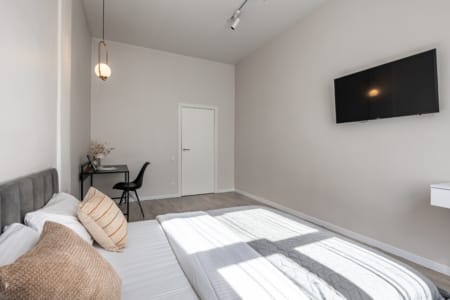
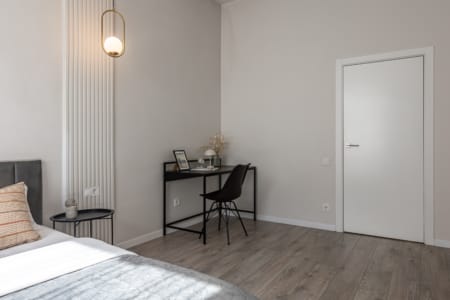
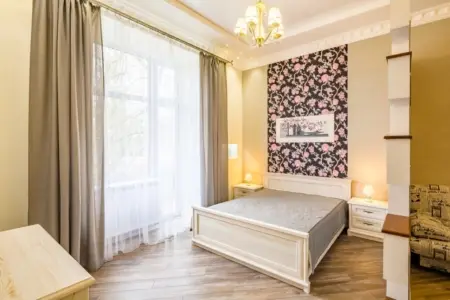
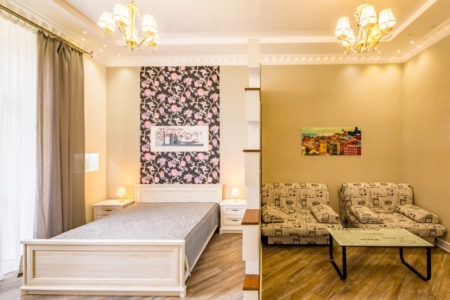
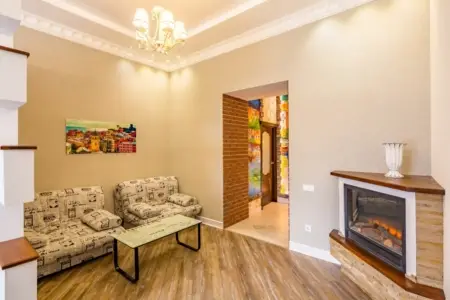
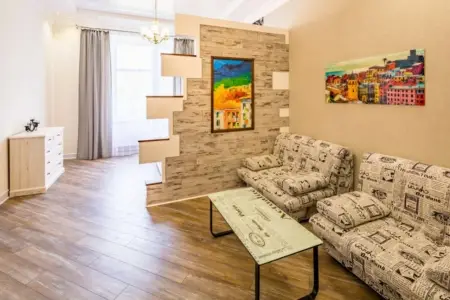
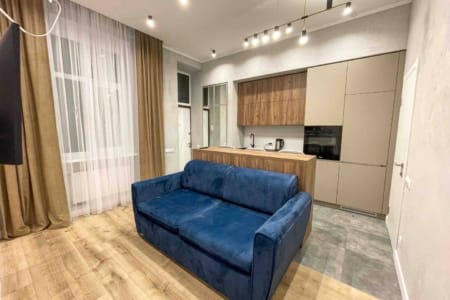
 Leo Apartment
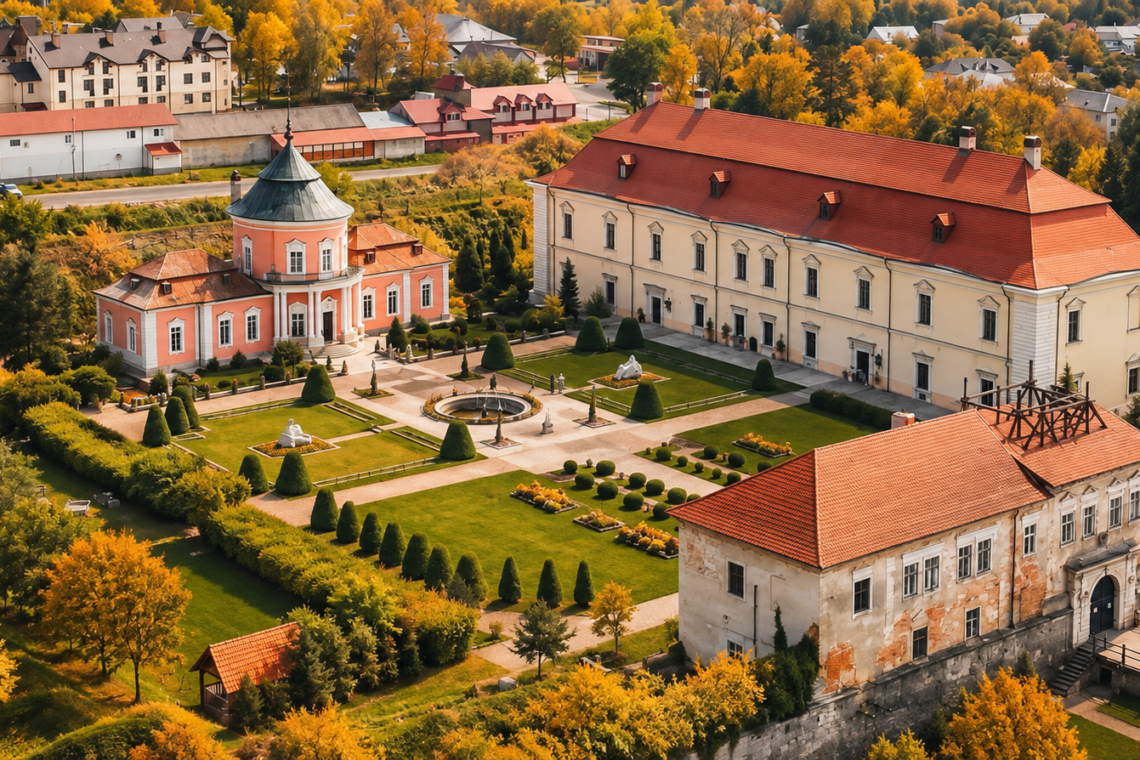
Zolochiv Castle is one of the most interesting historic landmarks in the Lviv region and a practical destination for a day trip from Lviv. Located in the town of Zolochiv, the complex combines defensive architecture, museum exhibitions, a Chinese Palace and a landscape park.
This is more than just an old fortress. Visitors can see powerful bastions, earthworks, a historic palace, oriental art and mysterious stones covered with inscriptions.
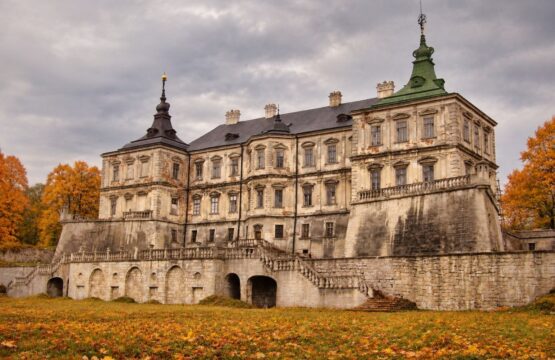
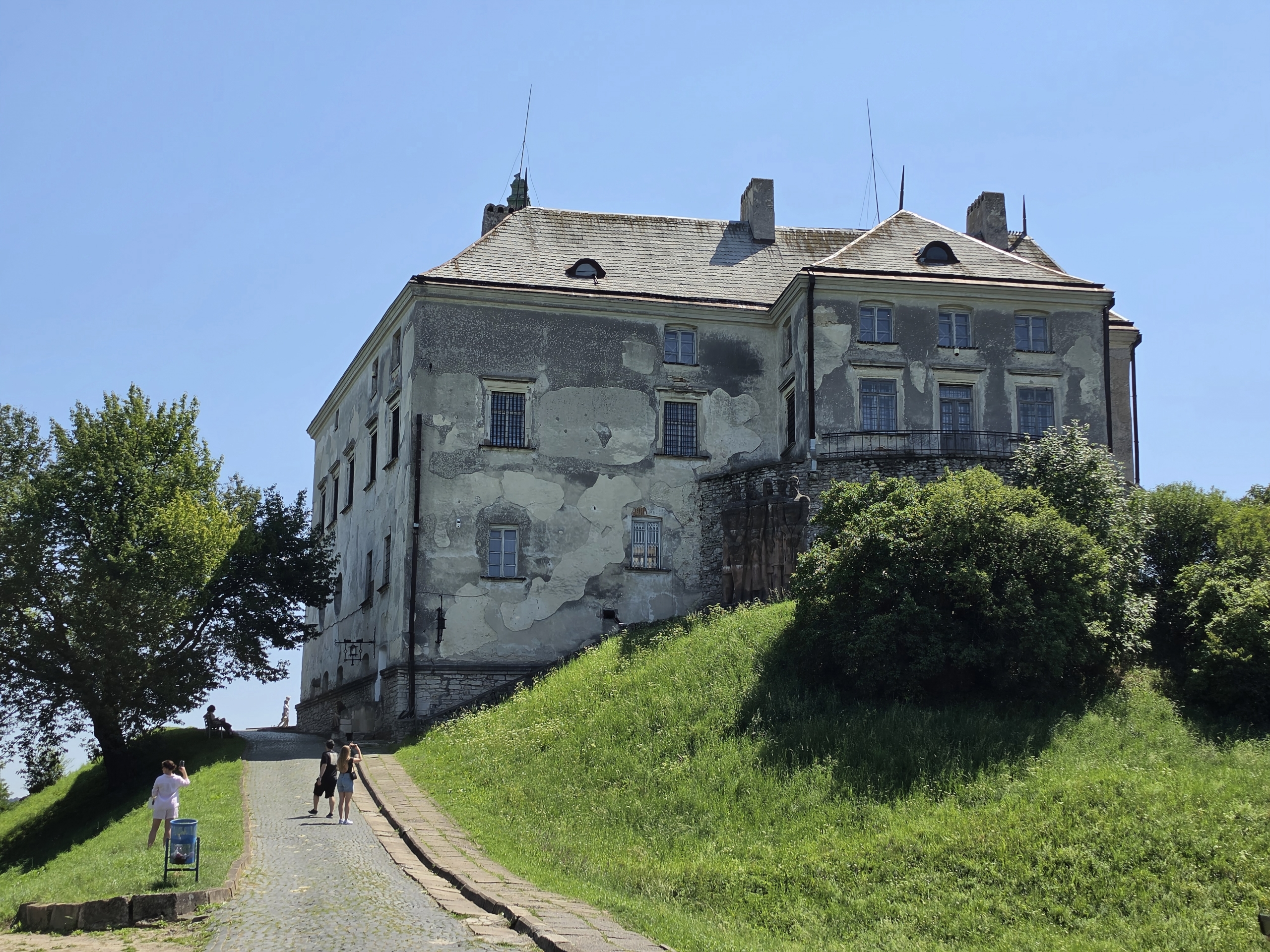
For that reason, Zolochiv Castle deserves more than a quick stop. If you have a full day available, it can also be combined with Olesko Castle and Pidhirtsi Castle.
Zolochiv Castle: where is it located?
Zolochiv Castle is located in the town of Zolochiv in Lviv region, at 5 Ternopilska Street.
For travellers staying in Lviv, it is a convenient destination for a day trip. The castle can also be included in a longer itinerary covering several historic sites in the region.
The official Lviv tourism portal lists Zolochiv Castle among the popular attractions around the city.
History of Zolochiv Castle
The history of the fortifications in Zolochiv goes back further than the present castle. Historians believe that the current fortress was built on the site of earlier defensive structures, while its location had important military and commercial significance.
The complex experienced an important period of development under the Sobieski family. Much of the character visible today is connected with this stage of its history.
During the 17th century, the fortress witnessed military conflicts, including the Turkish occupation of 1672. After the castle was recovered, its reconstruction became another important chapter in the history of the complex.
Over the following centuries, the function of the castle changed several times. Among other uses, it served as a prison and later as an educational institution.
The years of the Second World War were particularly tragic. Between 1939 and 1941, Soviet authorities used the castle as a prison, and an NKVD torture chamber operated there.
After Ukraine regained independence, the complex was transferred to the Lviv National Art Gallery. Today, it operates as a museum and historic reserve.
Architecture of Zolochiv Castle
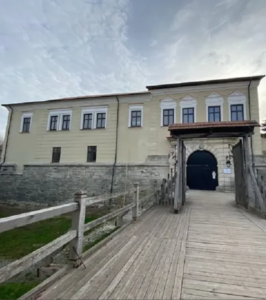
Zolochiv Castle belongs to the type of fortified residences that combined a palace function with defensive architecture. Therefore, the best way to explore it is to look at the entire complex rather than focusing only on the interiors.
The castle is surrounded by defensive walls, bastions and substantial earthworks. Together, they create the distinctive appearance of the fortress and demonstrate how the residence was protected in the past.
At the same time, the architecture inside the fortifications has a very different character. Here, the focus shifts from defence to the daily and ceremonial life of the owners.
What to see at Zolochiv Castle
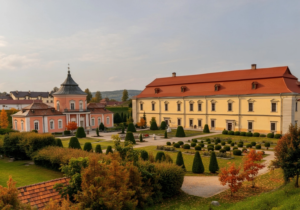
A visit should not be limited to a single building. The modern museum complex includes several important elements of the historic estate.
Among the main things to see are:
- the Great Palace;
- the Chinese Palace;
- the gate tower;
- defensive walls;
- bastions and earthworks;
- the landscape park;
- museum exhibitions.
Another interesting detail is the preserved historic sewage system. It may sound like an unusual museum attraction, yet it provides a useful insight into the level of infrastructure available in an aristocratic residence centuries ago.
The Chinese Palace at Zolochiv Castle
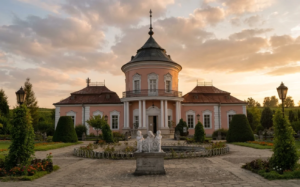
The Chinese Palace is one of the most unusual parts of the complex. Its creation was influenced by the European fascination with Eastern art and culture during the 17th and 18th centuries.
Today, the building houses an exhibition of oriental art. As a result, a visit to Zolochiv Castle offers more than a story about local fortifications and noble families.
If this is your first visit, make sure to include the Chinese Palace in your itinerary. It is one of the features that makes Zolochiv Castle different from many other historic castles in the Lviv region.
The mysterious stones of Zolochiv Castle
One of the most intriguing objects in the museum complex is a group of large stones covered with inscriptions. They were brought from the village of Novosilky.
The origin and meaning of the inscriptions remain uncertain. Consequently, the stones have become one of the most memorable features for visitors interested in historical mysteries.
However, it is important to distinguish documented facts from speculation. The inscriptions are part of the museum complex, while different theories about their origin should not automatically be treated as established historical facts.
The mystery of Zolochiv Castle’s stones was solved with the help of AI
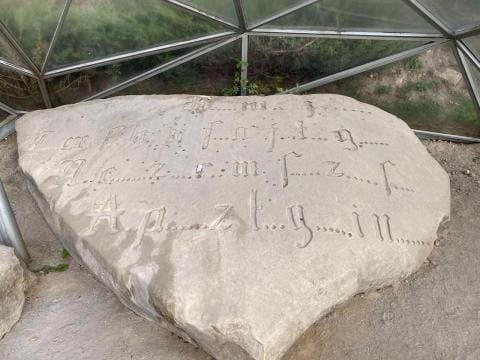
The story of the mysterious stones took an important new turn in autumn 2026. One of the inscriptions, which had remained unread for decades, was identified through research by Artur Ratyński with the help of artificial intelligence.
Importantly, the inscription turned out not to be a complex cipher. The craftsman carved the first letter of each successive word and replaced the missing letters with dots. This created a pattern that could be compared with Polish literary texts.
What was written on the stone?
The researcher established that the sequence of letters and dots corresponds to a fragment of “Tren XII” by the Polish poet Jan Kochanowski. The poem expresses a father’s grief after the death of a child. Its opening words, Kłosie mój jedyny, immediately give the passage a deeply personal and mournful tone.
The match is highly specific: the stone preserves the initial letters of all 28 words in the same sequence, while the number of dots corresponds to the number of omitted letters. The old Gothic script made the reading more difficult because some characters could easily be confused.
How did Claude help?
Artur Ratyński used the AI assistant Claude to analyse photographs of the inscription. The first step was to reconstruct the visible sequence of letters and dots. The next step was to search Polish literary texts for passages with the same sequence of initial letters.
This is an interesting example of AI being used as a research tool rather than as a substitute for historical interpretation. The identification depended on matching the visual pattern with a known literary source and then considering what that source might mean in the context of the stone.
Were the stones really connected with the Knights Templar?
The mysterious appearance of the inscriptions encouraged stories about the Knights Templar for many years. The new findings do not confirm that interpretation. The castle team instead considers it likely that the stones date from the 19th century, when symbolic graves, grottoes and romantic historical features were popular in parks.
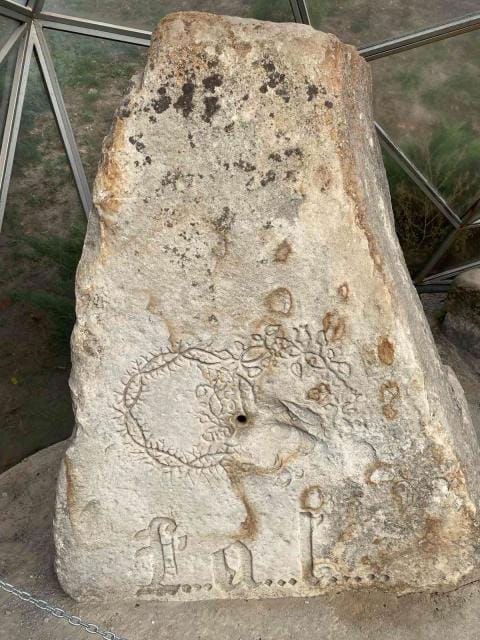
What might the second stone mean?
The second stone has not yet been conclusively deciphered. It features two intertwined wreaths: a thorn wreath associated with martyrdom and death, and a flowering wreath that may symbolise life and joy.
Researchers therefore suspect that the two stones may have been connected with the memory of a deceased child and could have functioned as gravestones or cenotaphs — symbolic memorials without the person’s remains being buried at the site. This remains a hypothesis and requires further research.
Both stones are known to have been brought to Zolochiv Castle from Novosilka near Zolochiv. Further research may help establish who owned the village at the time and whom the stones were intended to commemorate.
The result makes the stones an even more intriguing part of the castle visit: one inscription can now be connected with a specific literary work, while the mystery of the second stone remains unsolved.
Official information about Zolochiv Castle from the Lviv National Art Gallery
The park and grounds of Zolochiv Castle
After exploring the exhibitions, leave some time for a walk around the grounds. The bastions, defensive walls and park help visitors understand the castle as a complete architectural ensemble.
The experience is particularly pleasant during the warmer months. Moreover, the open spaces provide plenty of opportunities to photograph the castle from different angles.
How to get to Zolochiv Castle from Lviv
For an independent trip, travelling by car is usually the most convenient option. It gives you enough flexibility to combine several attractions in one day.
One of the best-known itineraries is the “Golden Horseshoe of Lviv Region”:
- Lviv;
- Olesko Castle;
- Pidhirtsi Castle;
- Zolochiv Castle;
- Lviv.
According to the official Lviv tourism portal, the organised route covers around 200 kilometres and includes these three castles.
However, there is no need to visit all three in one day. If you prefer a slower pace, Zolochiv Castle can easily become the main destination of a separate day trip.
How much time do you need at Zolochiv Castle?
An hour may be enough for a quick look around the grounds. However, if you want to explore the museum, Chinese Palace, fortifications and park, it is better to allow around two hours.
If Zolochiv is the final stop on a longer itinerary, leave enough time before the museum closes. Otherwise, the last part of the visit may feel rushed.
Opening hours and tickets
According to the current information published by the official Lviv tourism portal, Zolochiv Castle is open Tuesday to Sunday from 11:00 to 16:00. Monday is a day off.
Ticket prices and visiting conditions may change. Therefore, check the latest information before travelling.
Current visitor information for Zolochiv Castle on lviv.travel
What to see near Zolochiv Castle
Zolochiv works well as part of a wider trip around the Lviv region. The most popular combination includes three castles known as the “Golden Horseshoe of Lviv Region”.
If you start in Lviv, you can visit Olesko Castle first, continue to Pidhirtsi and finish the route in Zolochiv.
Another option is to make Zolochiv Castle the main destination of the day. This approach works particularly well for families, couples and travellers who do not want to spend the entire day on the road.
When is the best time to visit Zolochiv Castle?
Spring, summer and early autumn are particularly suitable for exploring the grounds. During these months, the park and open defensive structures become an important part of the visit.
If your main interest is the museum, the season matters less. Even so, it is worth checking the current opening hours before every trip.
For a three-castle itinerary, leaving Lviv in the morning is the safest option. This gives you more time at each location and reduces the risk of reaching the final castle just before closing.
Practical tips for visitors
- Check the opening hours before travelling.
- Do not leave Zolochiv Castle until the last part of your itinerary.
- Allow time for the palace, bastions and park.
- If visiting three castles in one day, leave Lviv in the morning.
- Wear comfortable shoes.
- Families with children should allow time for breaks between attractions.
- Check current exhibitions and guided tour information before travelling.
Zolochiv Castle as a day trip from Lviv
For travellers staying in Lviv for several days, Zolochiv Castle is a good reason to spend one day outside the city and discover another part of the region.
There is no need to change accommodation for this trip. Lviv can remain your base while individual days are dedicated to exploring the surrounding area.
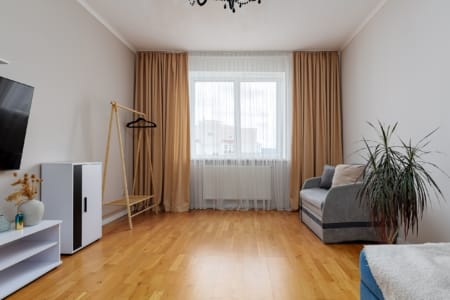
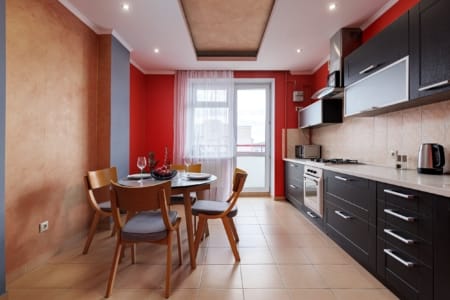
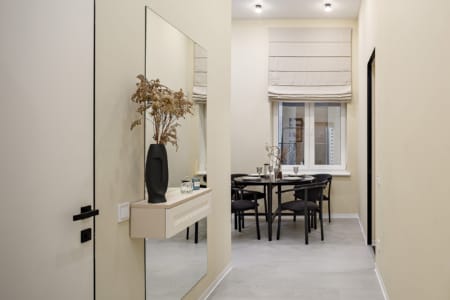
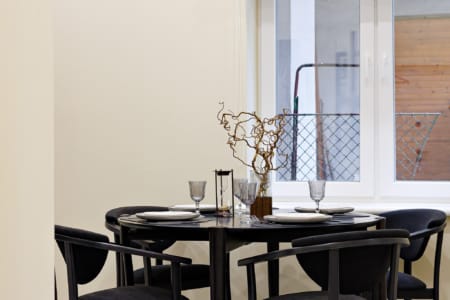
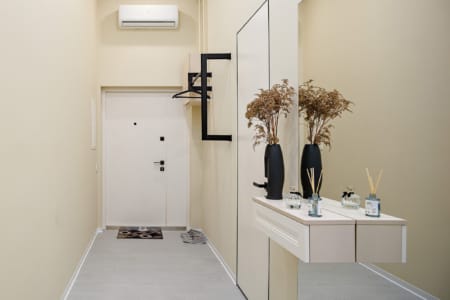
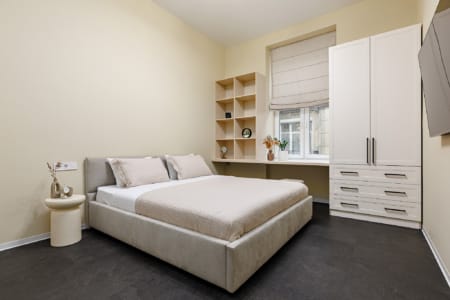
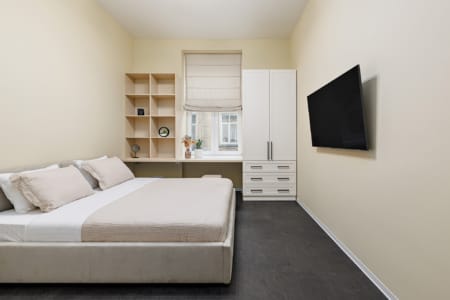
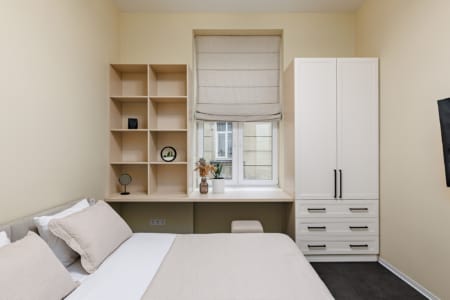
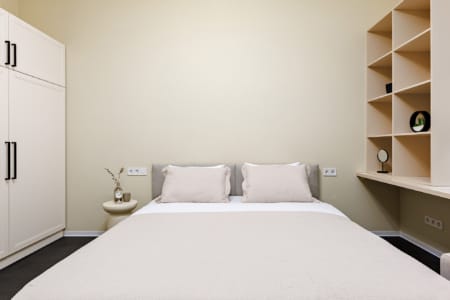
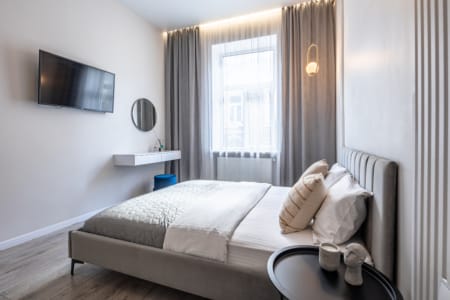
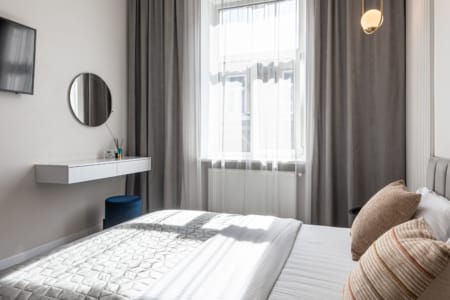
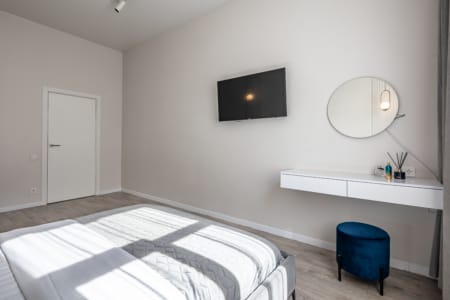
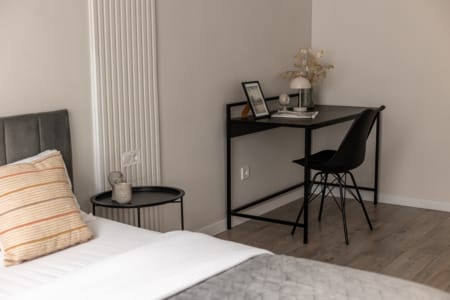
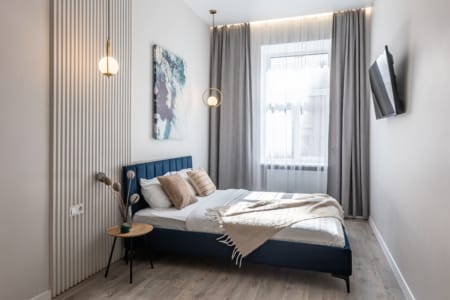
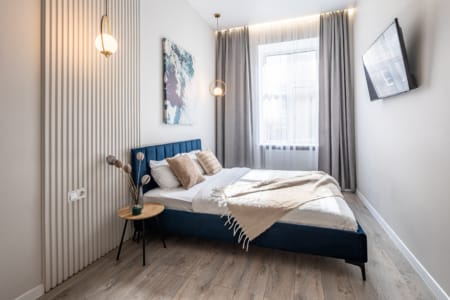
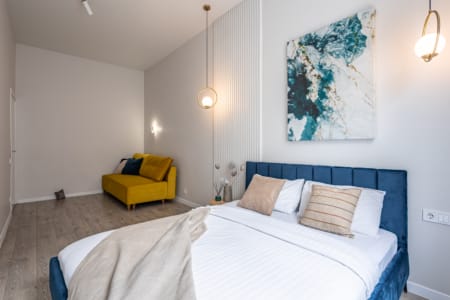
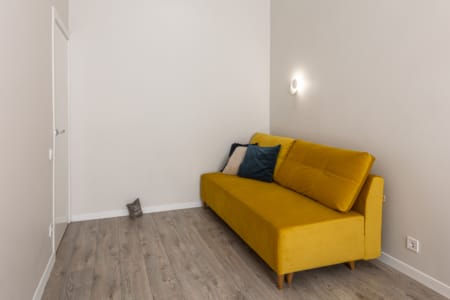
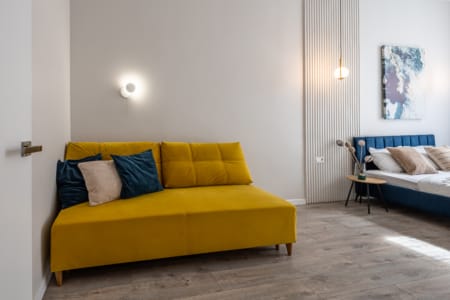
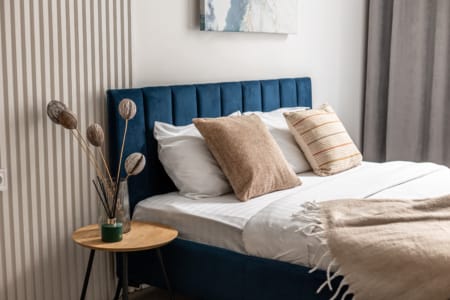
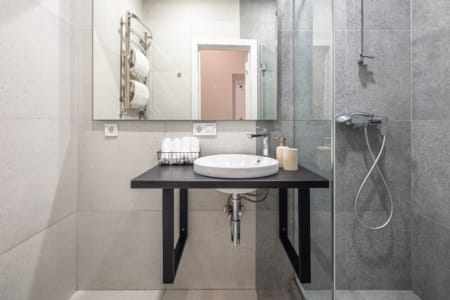
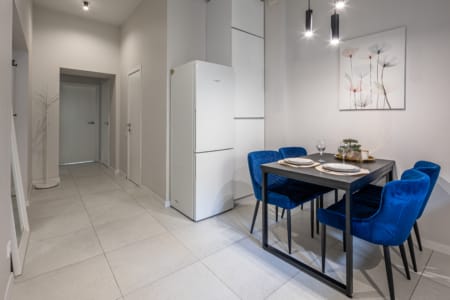
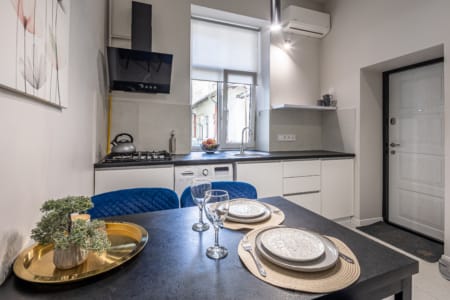
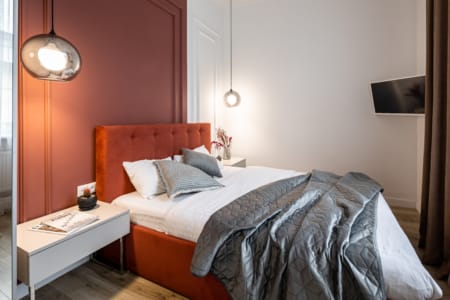
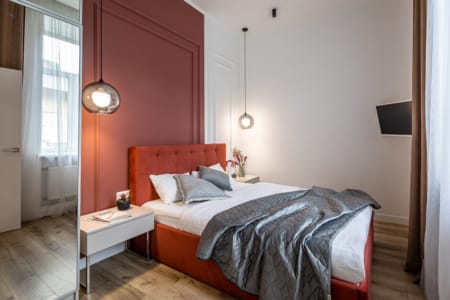
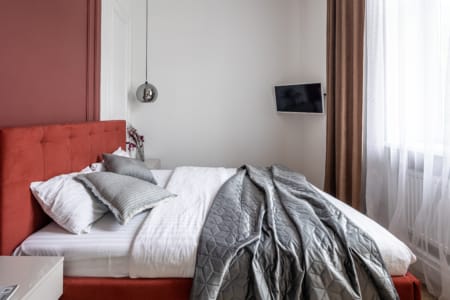
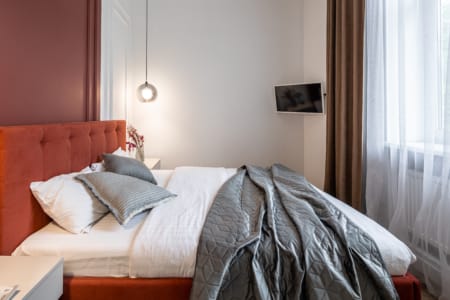
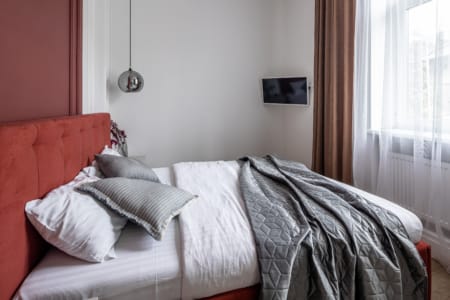
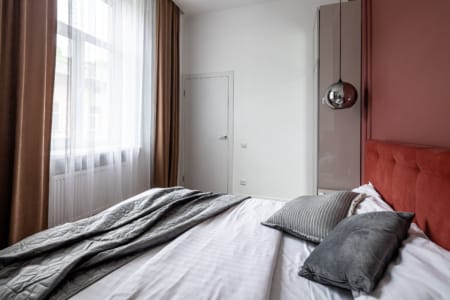
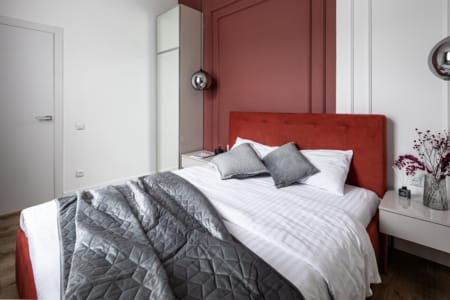
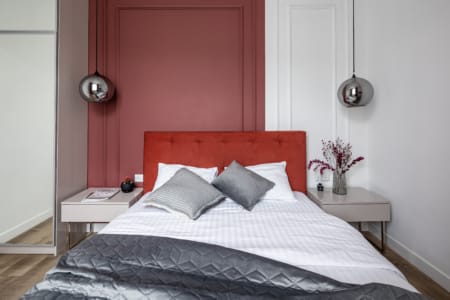
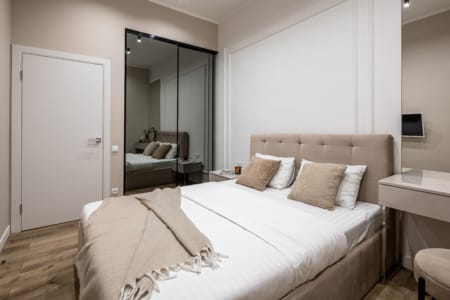
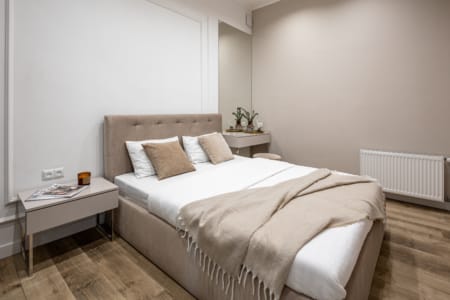
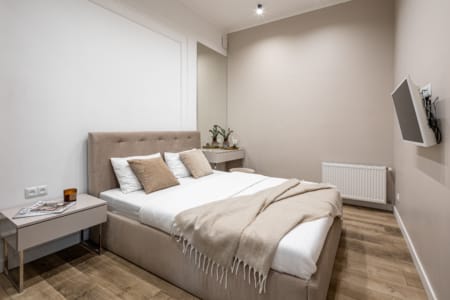
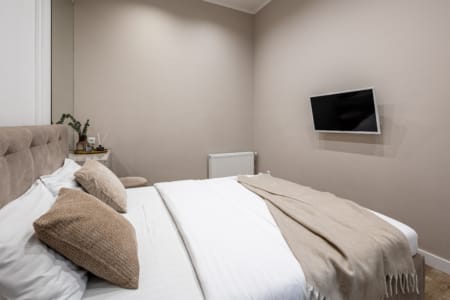
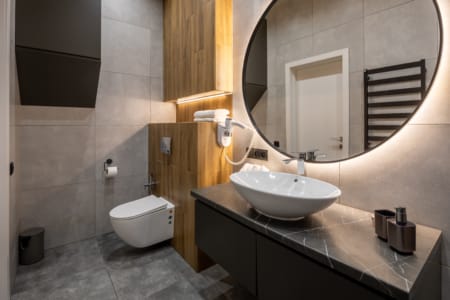
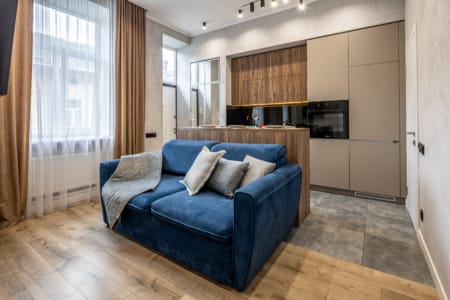
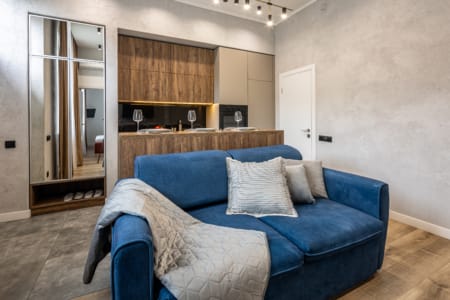
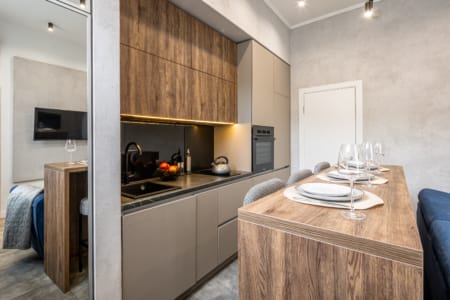
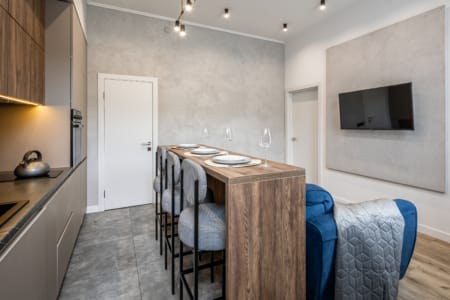
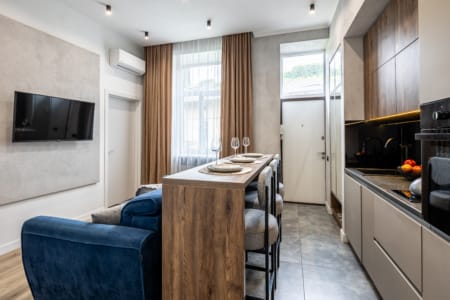
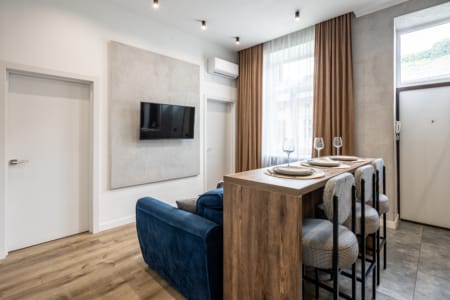
If you are looking for accommodation for a short stay, explore the available short-term apartments in Lviv.
In one day you can visit three castles: Olesko, Pidhirtsi and Zolochiv, and return to Lviv in the evening.
FAQ — frequently asked questions
Where is Zolochiv Castle located?
Zolochiv Castle is located in the town of Zolochiv in Lviv region, at 5 Ternopilska Street.
How do you get to Zolochiv Castle from Lviv?
The most convenient option is usually by car. The castle can also be combined with Olesko and Pidhirtsi castles in one itinerary.
How much time should you spend at Zolochiv Castle?
For a relaxed visit to the museum, Chinese Palace, fortifications and grounds, around two hours is a reasonable amount of time.
When is Zolochiv Castle open?
According to the current information, the castle is open Tuesday to Sunday from 11:00 to 16:00. Monday is a day off.
What should you see at Zolochiv Castle?
The main highlights include the Great Palace, Chinese Palace, gate tower, bastions, defensive walls, park and museum exhibitions.
What is the Chinese Palace at Zolochiv Castle?
It is a separate building within the complex, created under the influence of European fascination with Eastern art and culture in the 17th and 18th centuries. Today it houses an oriental art exhibition.
Can Zolochiv Castle be combined with other castles?
Yes. A popular option is the “Golden Horseshoe of Lviv Region”, which includes Olesko, Pidhirtsi and Zolochiv castles.
Is Zolochiv Castle suitable for children?
Yes. Besides the museum exhibitions, the site has bastions, a park and open spaces. For a family trip, however, it is better to keep the itinerary at a comfortable pace.



































Join the discussion